
James Howells, once an IT specialist from Newport in South Wales, is at the center of one of cryptocurrency’s most remarkable tales. After mistakenly disposing of a hard disk containing 8,000 Bitcoins—currently worth $742 million—in 2013, he has spent over twelve years striving to reclaim his digital fortune. His journey has drawn widespread attention due to its immense financial stakes and the entanglement of human error, legal hurdles, and ecological challenges.
The Expensive Error: Discarding the Hard Drive
In 2009, Howells mined 8,000 Bitcoins at a time when cryptocurrency mining was simpler and Bitcoin carried little to no market value. Few anticipated the tremendous surge in value that would later elevate Bitcoin to tens of thousands of dollars per coin.
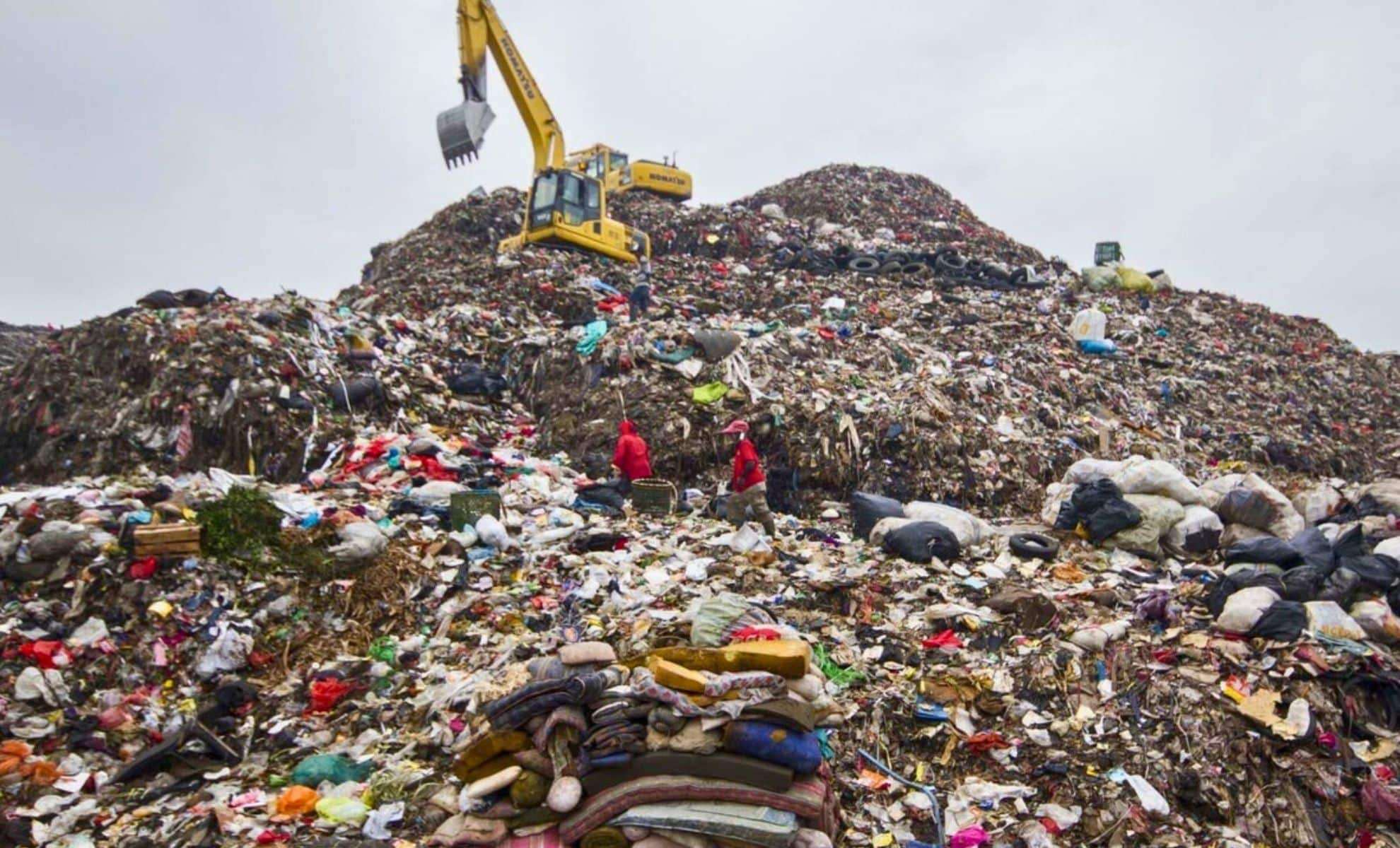
During a routine office decluttering in 2013, Howells accidentally trashed the hard drive storing the essential private key to access his Bitcoin wallet. The device was dumped into the Newport landfill, where it remains buried beneath layers of debris. Back then, those Bitcoins were worth approximately $8 million, a life-altering sum. Since then, their value has escalated dramatically, reaching $742 million, making the lost hard drive a symbol of valuable digital assets gone missing.

Recovery Obstacles and Challenges
Although retrieving the hard drive might seem feasible, Howells has confronted significant barriers, mainly from the Newport City Council. The authorities have consistently denied his requests to excavate the landfill due to:
- Health and safety hazards: Excavations could expose dangerous gases like methane, posing risks to the public and workers.
- Environmental impact: UK regulations protect landfill contents as property of the landfill, and disturbing it might cause lasting ecological damage.
- Financial practicality: The council maintains that the search costs and risks overshadow the potential rewards.
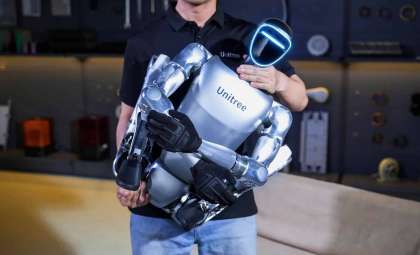
Despite these issues, Howells proposed an advanced recovery plan incorporating AI-driven drones to detect metallic objects and robotic technology to carefully sort through targeted landfill sections. A team of environmental specialists would oversee measures to reduce harm. This ambitious project, self-funded by Howells and costing an estimated $10 to $15 million, imposed no financial risk on the council.
Nevertheless, Newport City Council remained steadfast in its refusal, underscoring the strict environmental and legal boundaries governing landfill management in the UK.
Judicial Decisions and Legal Barriers
In addition to local opposition, Howells encountered major legal impediments. A 2024 ruling by a British judge declared that the recovery efforts held "no realistic prospect" of success, citing factors such as:
- The deteriorated state of the hard drive: After over a decade under landfill conditions, the drive’s integrity and recoverability are highly doubtful.
- Statutory time limits: UK law requires claims within a set timespan, and Howells’ attempt was beyond the permitted period.
- Public interest considerations: The court weighed environmental and community concerns against Howells’ personal financial interests.
Howells’ Stance
James Howells has openly expressed dissatisfaction with the bureaucratic obstacles he has faced. He has criticized both the Newport City Council and UK legal frameworks for blocking his efforts, viewing the refusal as an impediment to personal justice and entrepreneurial spirit. Howells argues that this rigid stance hampers ingenuity and individual rights.
While not completely abandoning hope, he continues to seek solutions that would permit a responsible recovery attempt aligned with environmental safeguards. Yet, he admits that chances of success are fading as time passes.
Lessons from a Modern Digital Loss
The story of James Howells acts as both a warning and an intriguing glimpse into the digital finance landscape. As cryptocurrencies become more prevalent, securing digital assets is increasingly critical. His experience illustrates the vulnerability inherent in intangible currencies, where a single misstep can lead to immense loss.
Though his fortune lies deep within 15,000 tons of rubbish, his saga highlights the clash of ambition, error, and regulatory systems within today’s digital economy.















0 comments
Sign in to Comment