
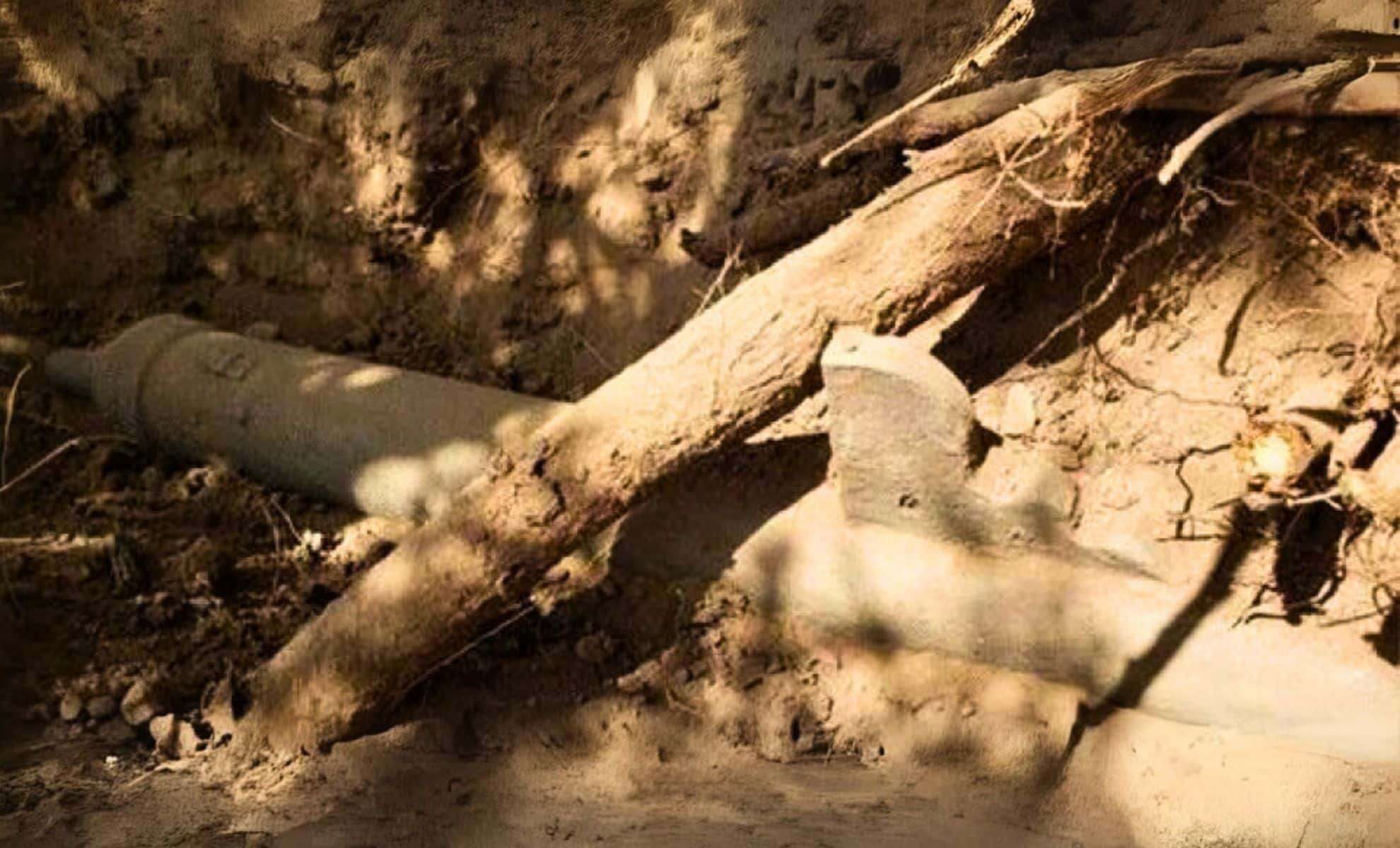
Archaeologists have made a remarkable find in Arizona: a bronze cannon tied to the historic expedition of Francisco Vázquez de Coronado. Discovered in the Santa Cruz Valley at the location of a deserted Spanish fort, this artifact is now considered the oldest firearm recovered within the continental United States.
Insights from Coronado’s Journey
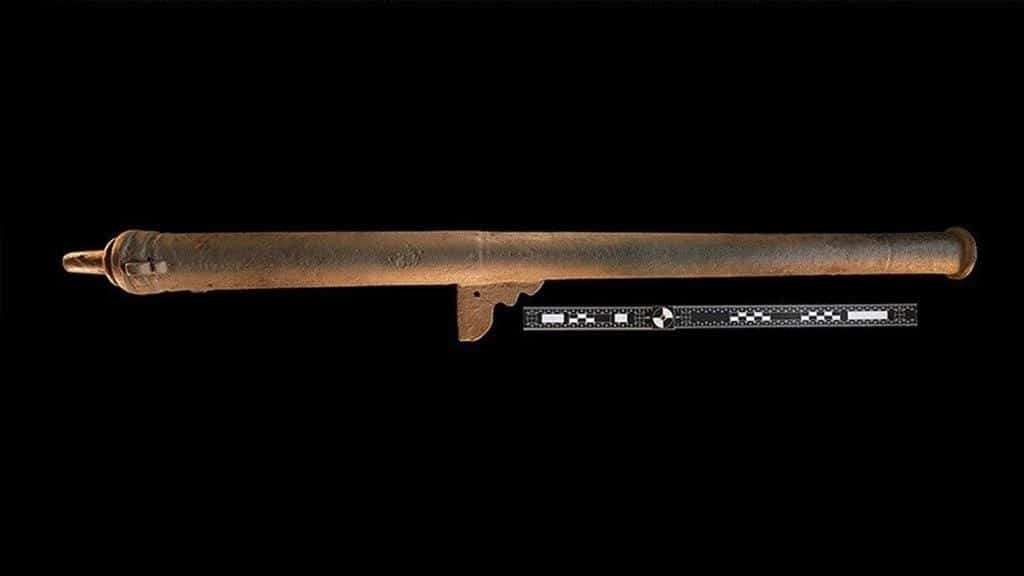
This wall gun, measuring 42 inches and weighing close to 40 pounds, was excavated at the presumed site of San Geronimo III, a fleeting Spanish settlement.
Unlike the finely crafted firearms from European workshops, this cannon likely originated in the Americas—perhaps manufactured in Mexico or the Caribbean—addressing the practical demands of Coronado’s expedition.

From 1539 to 1542, Coronado spearheaded an ambitious march northward in search of the legendary Seven Cities of Cíbola, rumored treasures laden with gold.
The expedition included Spanish soldiers alongside Indigenous allies and support staff, reaching as far as present-day Kansas. Instead of the mythical riches, they encountered modest Pueblo settlements.
Disappointment escalated into violent clashes, marking a brutal phase in early European colonization.
A Cannon That Saw No Action
Though engineered as an effective siege weapon—capable of firing lead projectiles or buckshot up to 700 yards—the cannon shows no evidence of having ever been fired.
Detailed examination uncovered no black powder residue inside the barrel, implying it may have been abandoned before use.
Why would a weapon of this capability be left behind? Experts suggest it was due to a sudden and violent Indigenous revolt that forced the Spanish to withdraw.
Indigenous Resistance Alters the Course
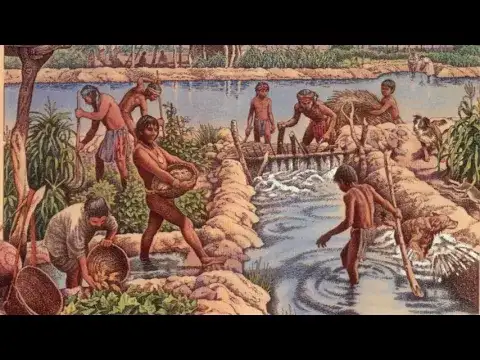
The cannon site was deserted after a fierce assault by the Sobaipuri O’odham people, exemplifying early Native American resistance against European colonization.
The attack effectively expelled the Spanish settlers, leaving behind the cannon and a barely established fort.
This upheaval delayed Spanish settlement in the area for over 150 years.
The episode serves as a potent reminder of how Indigenous opposition profoundly influenced the path of colonial expansion in North America.
A Window into a Historic Clash
In addition to the cannon, archaeologists recovered various artifacts linked to Coronado’s expedition, including shards of European pottery, olive jars, and weapon fragments.
Techniques like radiocarbon dating and optically stimulated luminescence have confirmed these relics date to the mid-1500s, correlating with Coronado’s campaign.
The study by Deni J. Seymour and William P. Mapoles, published in the International Journal of Historical Archaeology, portrays the cannon as an enduring symbol of a critical episode in history.
“This final blow seems to be the precipitating event that led to the abandonment of the wall gun, where it remained snugly encased in an eroded Spanish adobe-and-rock-walled structure for 480 years,” they wrote.
This find is more than just a rare weapon; it enriches our understanding of early European incursions into the Southwest, highlighting both Spain’s colonial ambitions and the steadfast resistance of Indigenous communities defending their lands.
- Categories:
- Science







0 comments
Sign in to Comment