
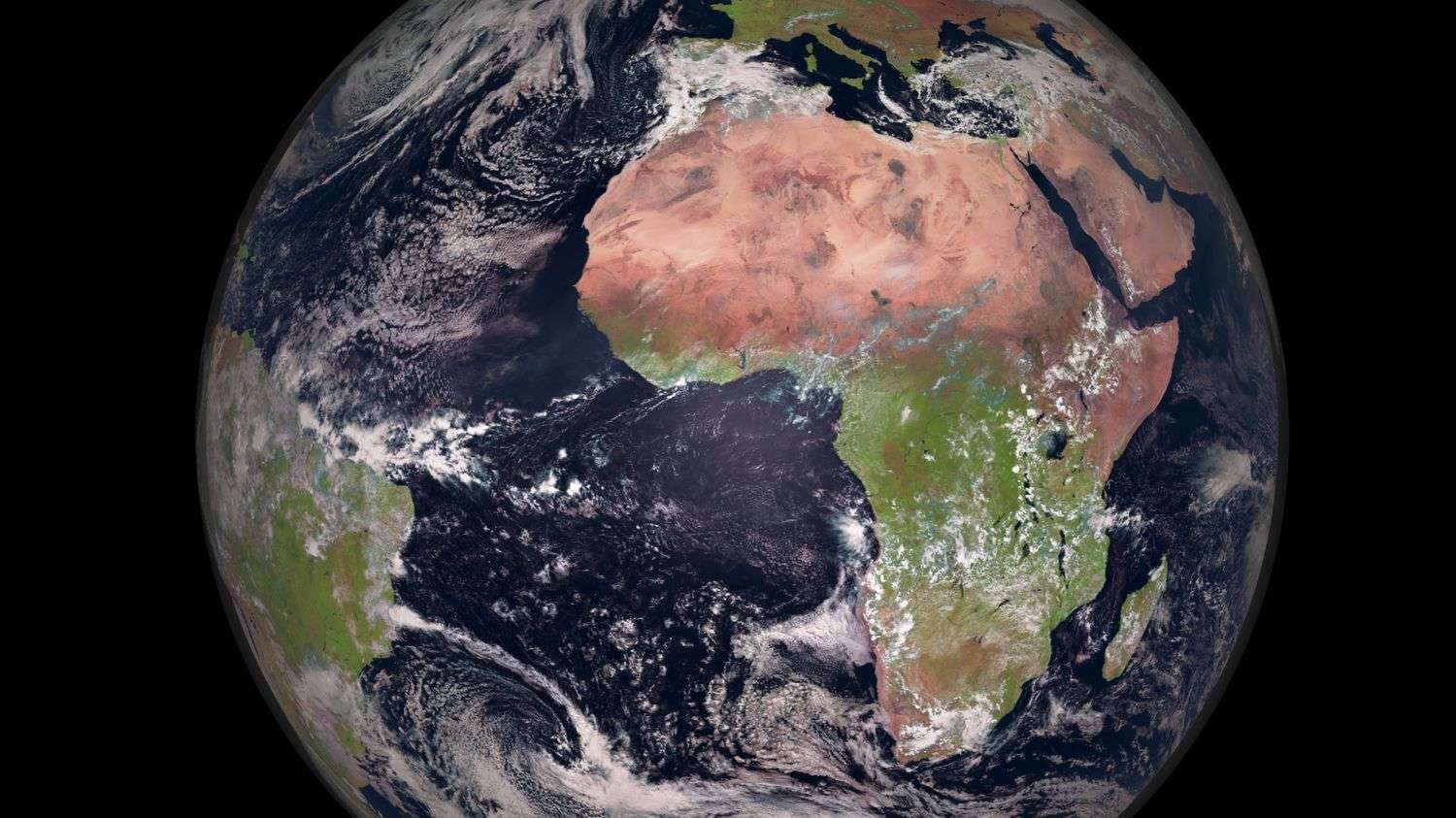
Have you ever stopped to think about the dynamic forces moving underneath the Earth’s surface? Consider the East African Rift, an enormous fracture spanning approximately 2,485 miles from Ethiopia down to Mozambique. This geological feature offers a rare glimpse into a potential ocean forming, a development that could dramatically reshape the continent and beyond.
What’s Driving This Rift?
The East African Rift stretches from Ethiopia’s Afar region all the way to the Gulf of Mozambique. It marks the boundary of three major tectonic plates—the Nubian Plate, the Somali Plate, and the Arabian Plate—which are drifting over the viscous mantle beneath. Their movement gradually creates rifts like this one, which could eventually evolve into new ocean basins. This process mirrors how the Atlantic Ocean emerged around 200 million years ago. Currently, this rift expands at a rate of about 0.28 inches per year, reflecting slow but steady geological change.
How Much Time Are We Talking About?
This continental pulling apart began roughly 25 million years ago. Scientists predict this ongoing transformation could continue for millions of years to come. Some estimates suggest that areas like the Afar Depression might develop ocean-like conditions within five million years, with others proposing that it could happen in less than a million years.

Geophysicist Christel Tiberi notes, “You can walk there; it’s not underwater,” emphasizing that regions such as Ethiopia and Djibouti remain in an early transformation phase. Here, the crust is thinning and becoming infiltrated by magma, gradually turning into rock types more characteristic of ocean floors.
What Observations Are Scientists Making?
Volcanic activity is prevalent in locales like Djibouti and Afar, and noticeable changes are underway. According to Christel Tiberi, “The floor is much lower than elsewhere,” with numerous volcanoes resembling the underwater ridges found at depths exceeding 6,562 feet in the ocean.
Further south, toward Tanzania and Malawi, the rift remains less developed. However, water has started to accumulate in parts of the rift valley, hinting at the early stages of a potential large water body that could one day split parts of Africa.
Geologist Gilles Chazot points out that the region is still at “the stage of fracturing,” indicating much more time is needed before a true ocean forms.
What Lies Ahead? The Unknown Future
When the rift finally becomes a new ocean, it will significantly influence global geography, though the specifics remain uncertain. Some theories suggest that features like the Red Sea might disappear while new landforms emerge, but these scenarios are still speculative.
Gilles Chazot warns against imagining dramatic disasters such as tsunamis rushing into these evolving faults: “Do not imagine a tsunami that will pour” into these fractures.
The gradual splitting of Africa’s tectonic plates sets off a remarkable geological evolution toward new ocean basins, slowly distancing the continent from neighboring landmasses—a process with far-reaching implications that scientists continue to monitor closely.
This extraordinary natural phenomenon highlights the deep interconnectivity of Earth’s systems, reminding us how even slow-moving changes underground can have profound impacts on the surface world.
- Categories:
- Evolution








0 comments
Sign in to Comment