

Scientists have made a remarkable discovery revealing a strong genetic connection between ancient inhabitants and current populations in South Africa, offering fresh insights into human migration and genetic stability through thousands of years.
Tracing the enduring heritage of South Africa’s earliest residents
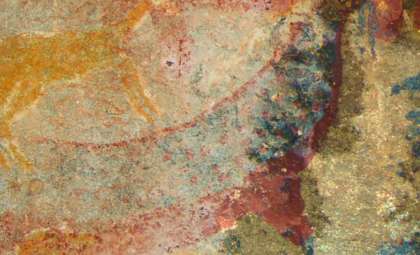
The San people, famed for their unique click languages, are recognized as one of the oldest indigenous communities in southern Africa. Recent genome studies now affirm their deep ancestral ties to the region, extending back an impressive 10,000 years.
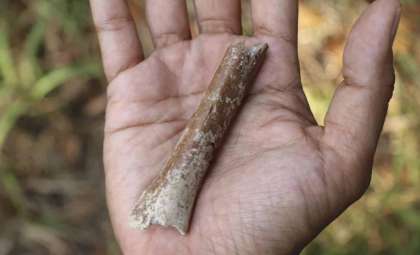
Genetic sequencing was performed on thirteen individuals uncovered at the Oakhurst Rockshelter archaeological site within the Drakensberg mountains. Among them, a man and a woman lived around 10,000 years ago, representing the oldest human DNA samples ever analyzed in South Africa.

What astonished researchers was the striking resemblance between these ancient genetic profiles and those of today’s San and Khoekhoe groups. Such prolonged genetic continuity is exceptional and contrasts sharply with the dynamic genetic changes seen in other global populations.
Two continents, diverging genetic stories
The stability in South African indigenous genetics sharply contrasts with the evolving genetic mosaics of Eurasia. Extensive shifts in Europe and Asia over the last 10,000 years reflect waves of migration and extensive genetic mixing.
This difference can be attributed to several key reasons:
- The geographic seclusion of South African communities
- Limited external population influx
- Consistent and favorable environmental conditions in southern Africa
- Cultural traditions that favored genetic preservation
The distinctive genetic makeup of the San community remained largely intact until roughly 1,300 years ago, when new peoples from eastern and western Africa arrived, bringing agricultural and pastoral economies to the indigenous hunter-gatherers.
Reevaluating human evolution through genetic insights
This pioneering research reshapes our understanding of human evolutionary history and migratory behaviors. The genetic persistence seen in South Africa contradicts earlier beliefs that widespread population replacements are a universal human experience.
Here’s a comparison illustrating genetic changes over 10,000 years in various regions:
RegionDegree of Genetic Change (last 10,000 years)Primary InfluencesSouth Africa (San people)MinimalIsolation, environmental stabilityEuropeExtensiveMultiple migrations, technological progressEast AsiaModerateRegional migrations, cultural diffusion
South Africa’s archaeological importance in human evolution research is profound. The area has produced fossils and tools tracing humanity’s origin, with local Homo sapiens remains dating back 260,000 years.
This new genetic data reinforces South Africa’s pivotal role in uncovering our ancestral story, offering a rare glimpse into the enduring genetic traits of some of our earliest forebears.
Safeguarding ancient genetic heritage amid modern challenges
Although the San have preserved their ancient genetic identity over thousands of years, their population has been severely impacted in recent centuries. The arrival of European colonists during the 1600s significantly disrupted their communities.
Nonetheless, today’s San descendants still carry genetic markers inherited directly from those who lived in the Oakhurst shelter millennia ago. This continuity underscores the resilience and longevity of human genetic lineages.
Continuing to explore human genetic history highlights the vital importance of conserving indigenous cultures. These populations act as living bridges to our distant past, enriching our comprehension of human adaptation and evolutionary processes.
The revealing findings from South Africa’s Drakensberg emphasize that our grasp of human history is always advancing. As ancient DNA sequencing technology improves and more samples become available, we anticipate new discoveries that will further transform our views on human migration, adaptation, and genetic diversity worldwide.
- Categories:
- Evolution











0 comments
Sign in to Comment