

Push-ups are a popular workout that extends beyond building muscle strength. According to researchers from the Mayo Clinic, this exercise can serve as a powerful indicator of overall physical wellness. Push-ups evaluate not only muscular strength but also endurance, coordination, and the integrated work of multiple muscle groups. But what is a good number of push-ups to aim for? And how does this change as we get older?
Push-Ups as a Comprehensive Fitness Gauge
The experts at the Mayo Clinic highlight that push-ups are more than just an upper-body strength test. This move recruits the arms, chest, core, and even the legs, making it a full-body challenge that assesses strength, balance, and coordination. Research from the clinic indicates that the quantity of push-ups a person can complete reflects not just muscular endurance but overall fitness level.
The study points out that push-up performance can reveal how efficiently the body operates as a whole, serving as a useful snapshot of one’s physical condition. Accurate execution is essential, and reaching certain push-up counts can indicate a healthier balance of strength and stamina. Still, this figure is just one piece of the health puzzle.

Recommended Push-Up Counts by Age Group
According to findings from the Mayo Clinic, push-up targets differ depending on a person’s age. For example, males aged 25 should comfortably perform about 28 push-ups to be considered fit, while women in this age group have a target of around 20 push-ups. As individuals grow older, the expected number of push-ups that signify good fitness naturally declines. By age 65, both men and women should aim to complete at least 10 push-ups.
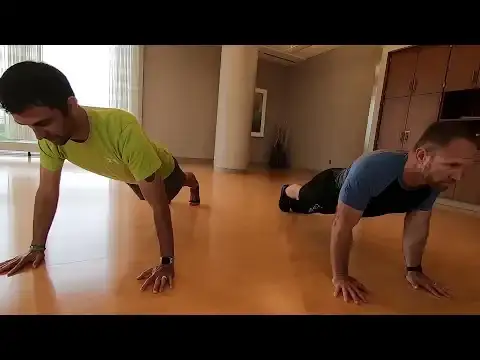
These guidelines offer a general framework for what is typical among healthy individuals. The researchers emphasize that scoring below these numbers doesn’t automatically indicate poor health but suggests a chance to enhance fitness levels. Conversely, surpassing these targets often points to robust health.
Considering Personal Fitness Levels and Lifestyle
Fitness specialist Natalya Alexeyenko observes that such benchmarks might not suit everyone, particularly for those who exercise sporadically. Quoted by the New York Post and referenced in Doctissimo, Alexeyenko advises that for less frequent exercisers, the Mayo Clinic's standards may appear too demanding. She suggests modifying goals by lowering push-up counts by about 3 to 5 repetitions for women and increasing them by 5 to 10 for men who maintain higher training intensity. This tailored approach accommodates diverse fitness routines and lifestyle choices.
While the Mayo Clinic provides helpful general guidance, recognizing the influence of one’s lifestyle on fitness is essential. Setting attainable objectives tailored to individual circumstances can lead to more sustainable fitness progress, making these numbers useful starting points rather than strict rules.
- Categories:
- News













0 comments
Sign in to Comment