
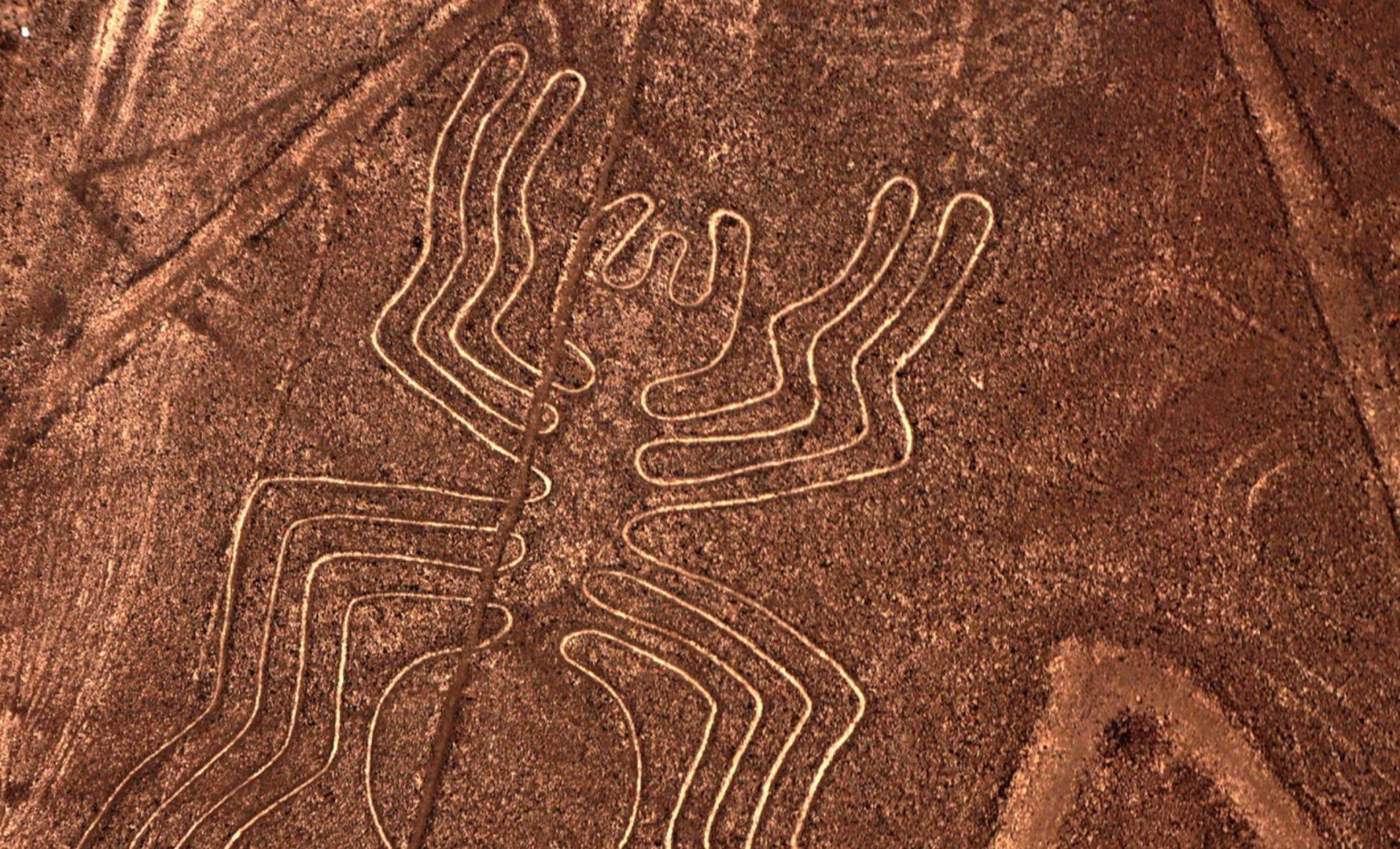
Using artificial intelligence, researchers have revealed 303 new Nazca geoglyphs in Peru's southern desert, nearly doubling the count of these ancient figures and offering fresh insight into how the Nazca civilization interacted with their environment.
The discovery emerged from a collaboration between IBM Research and Yamagata University, utilizing AI to analyze high-resolution aerial imagery of the Nazca Pampa. As reported in the Proceedings of the National Academy of Sciences, this approach helped identify hundreds of geoglyph candidates within a six-month period.
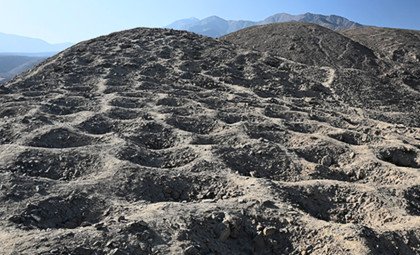
For many years, the Nazca Lines have captivated both researchers and tourists. These enormous depictions of birds, monkeys, geometric forms, and human-like figures were etched into the arid landscape almost 2,000 years ago by removing darker stones to reveal the lighter earth beneath. Some figures are easily visible from above, while others blend subtly into the desert terrain.

Traditional surveys employing planes, satellites, and on-foot exploration often missed faint or smaller designs. The integration of artificial intelligence dramatically accelerated the pace of discovery.
AI Reveals What Human Surveys Overlooked
Led by archaeologist Masato Sakai, the team trained the AI using data from recognized geoglyphs before applying it to aerial images covering the region. In the PNAS article, the researchers describe how the AI parsed the landscape into thousands of smaller segments and looked for patterns indicating potential geoglyphs rather than searching only for complete figures.
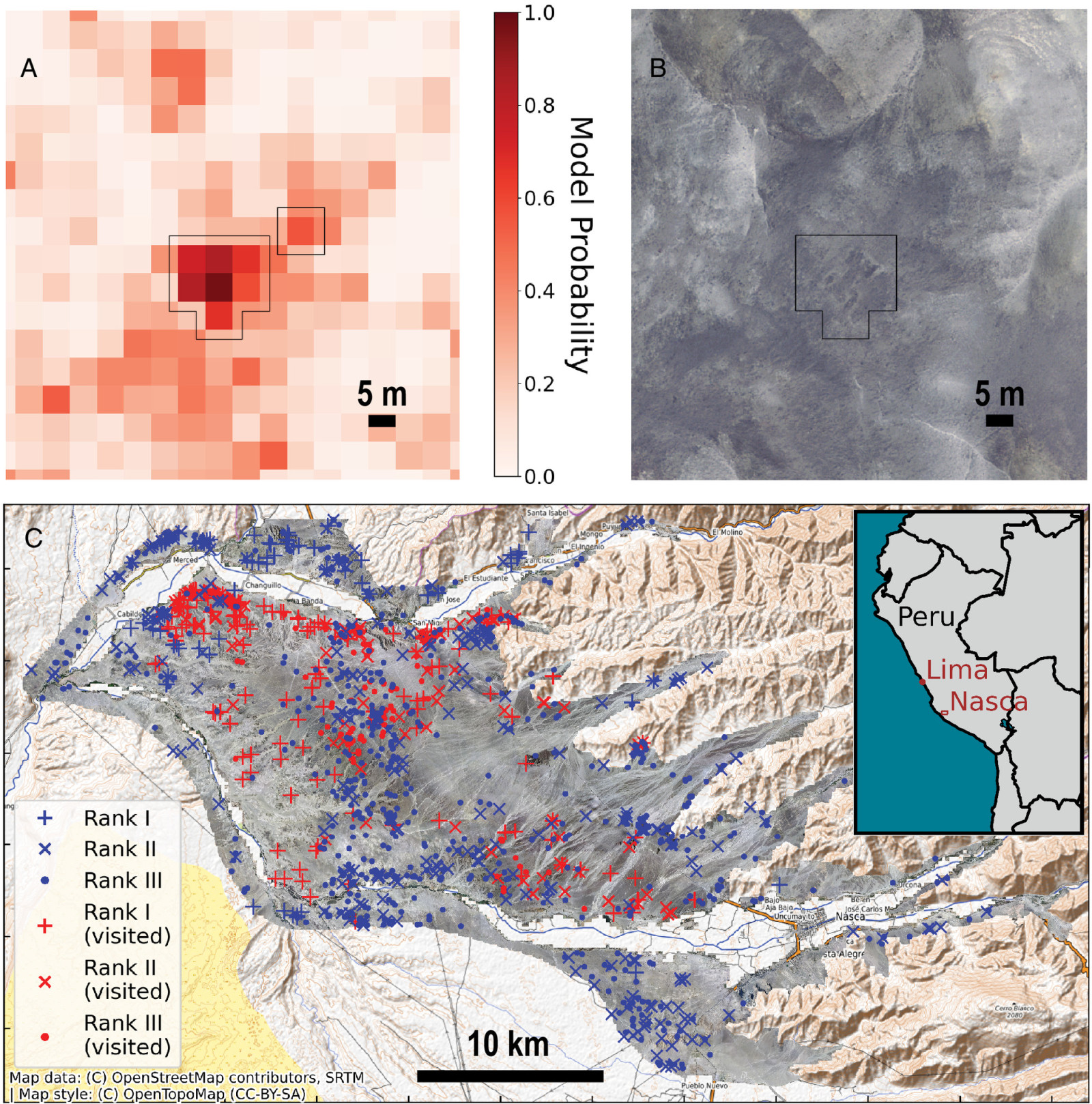
By fragmenting established geoglyphs into smaller sections for training, the algorithm enhanced its sensitivity to subtle or partial images. This refinement enabled the AI to identify 303 new ground-level geoglyphs between September 2022 and February 2023. The total confirmed figures now number 430, including 318 discovered by the university since 2004.
The majority of these newly identified geoglyphs are modest in size, averaging about 20 yards in length. Some depict stylized human faces with pronounced eyes or mouths; others illustrate animals such as camelids and large cats, species integral to ancient Peruvian life.
The Significance of Desert Trails
One intriguing pattern emerged: many recently found geoglyphs lie close to ancient travel routes. The study notes that several images were situated within approximately 141 feet of old pathways crisscrossing the plateau.
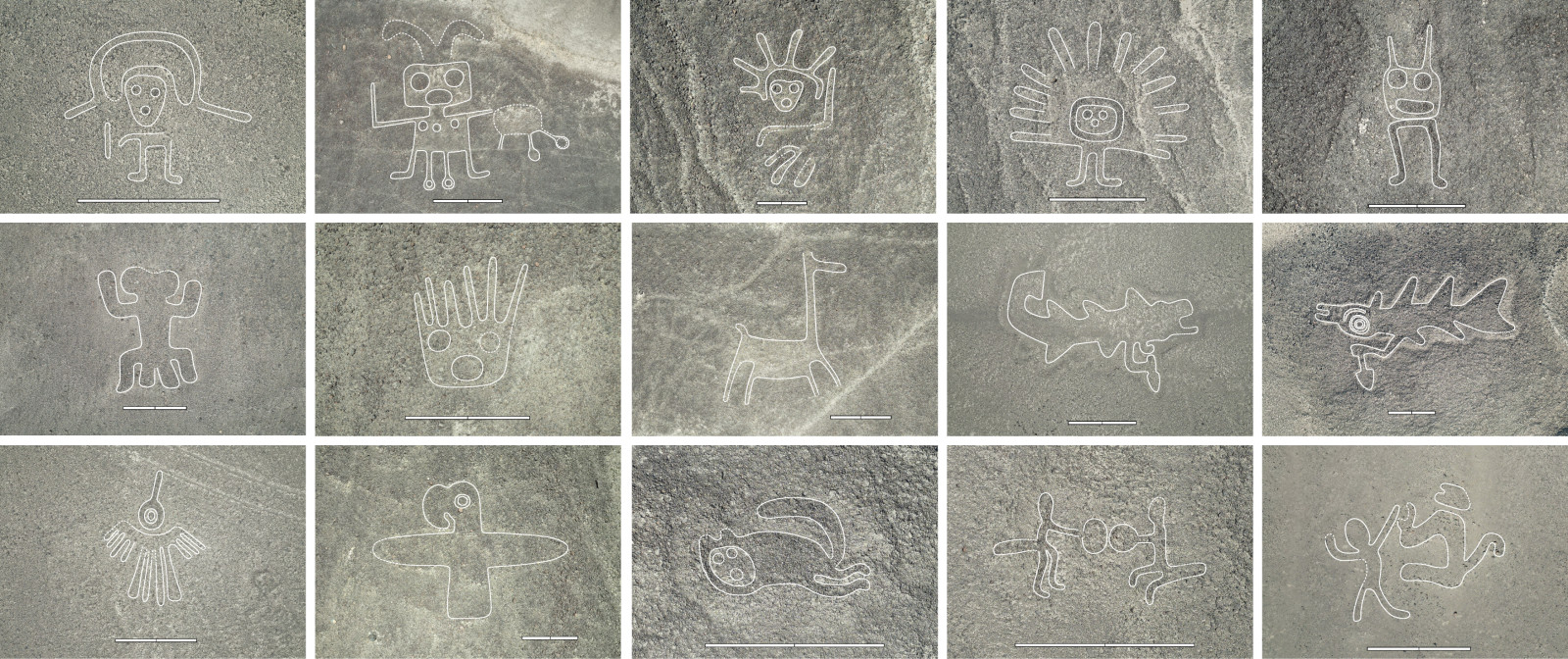
This proximity suggests these figures may have functioned as ritual markers or visual cues for travelers, relating to cultural beliefs, myths, or social structures.
“The human heads depict human sacrifices to the gods,” Sakai also noted that Nazca society had no written language. “People learned about the roles of humans and animals by looking at pictures and used them as places for rituals.”
The smaller, relief-type geoglyphs contrast with the larger, iconic line geoglyphs associated with grander ceremonial paths possibly used for collective rituals or gatherings.
Transforming Archaeological Research Worldwide
The vast Nazca Pampa, spanning over 190 square miles, presents immense challenges for manual exploration. AI streamlines the process, reducing the time needed to identify potential sites from years to mere days and allowing archaeologists to concentrate on validation and conservation efforts amidst threats like modern infrastructure, mining, and tourism.
Digital maps produced during this initiative could assist in prioritizing preservation zones. For archaeologists, these findings shine a light on a civilization that left no written documents but inscribed an entire desert with images that endure millennia later.
“By accelerating the research process,” the authors wrote, “our method contributes to archeology by establishing a new paradigm that combines field surveys and AI, leading to more efficient and effective investigations.”
- Categories:
- Science






0 comments
Sign in to Comment