

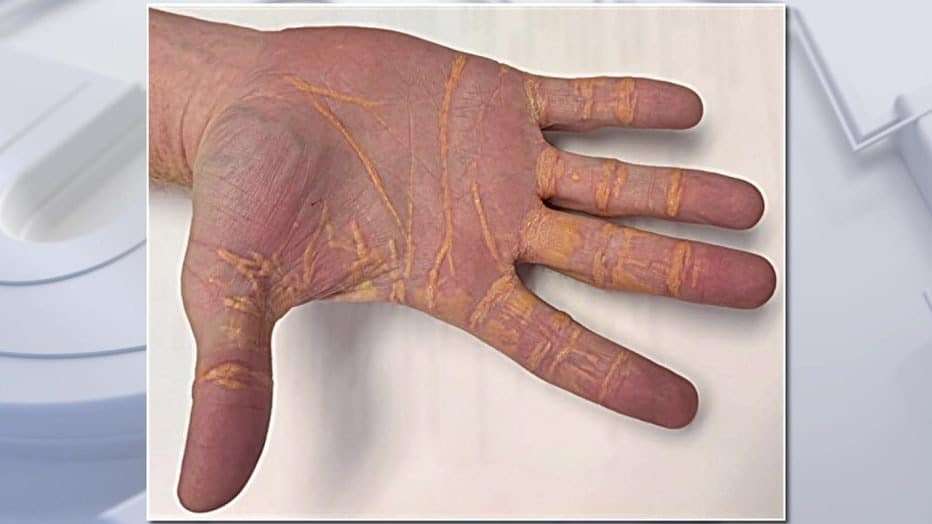
A man in his 40s who followed a strict carnivore diet learned the dangers of excessive consumption firsthand. After nearly nine months of eating up to nine pounds of cheese each day, alongside generous amounts of butter and fatty foods, he was admitted to Tampa General Hospital with unusual yellow bumps appearing on his palms, soles, and elbows.
This extreme eating pattern caused his cholesterol levels to soar beyond 1,000 mg/dL, which is more than five times the advised maximum. The unusual clinical case, detailed in JAMA Cardiology by Dr. Konstantinos Marmagkiolis and colleagues, underscores the health hazards associated with overconsumption of saturated fats.
Understanding the condition: cholesterol deposits beneath the skin
The diagnosis given was xanthelasma, a disorder characterized by cholesterol building up under the skin and creating yellowish plaques. Though commonly developing near the eyelids, in severe scenarios these fatty deposits may emerge on other body parts.

About half of all xanthelasma patients have dangerously elevated cholesterol levels, considerably raising their risk for cardiovascular diseases like atherosclerosis. These growths typically require laser treatments or surgery as they rarely resolve on their own and can recur if cholesterol remains high.
The carnivore diet explained: separating fact from fiction
The carnivore diet is a debated variation of keto that restricts intake solely to animal sources—meat, fish, eggs, poultry, and some dairy—omitting fruits, vegetables, and grains entirely.
Proponents claim it replicates ancient human diets, yet studies indicate early humans were omnivorous opportunists who consumed plenty of plants, roots, fruits, alongside animal products, according to National Geographic.
Harvard Health cautions that a meat-exclusive diet may lead to complications such as kidney stones, gout, and bone density loss. While ketogenic diets support healthy fat consumption, the carnivore approach tends to raise saturated fat intake, elevating LDL cholesterol, often labeled the “bad cholesterol.”
A cautionary tale: risks of extreme diet trends
This Tampa case acts as a serious warning to anyone attracted to extreme diets that promise fast weight loss and sharper mental focus. Although the patient initially felt better—losing weight and gaining energy—the harmful effects became clear over time.
Balance is key. Health specialists emphasize blending protein and fat with fiber-packed vegetables, fruits, and whole grains. Even for those preferring low-carb plans, eliminating entire food groups can have dangerous repercussions.
If you consider making a major dietary change, consulting a health professional or nutrition expert is highly advisable to avoid unintended health threats. This case reveals how an excessive intake of cheese and butter might not only impact your weight but seriously jeopardize your overall well-being.
This article has been republished from the following materials. Note: material may have been edited for length and content.
- Categories:
- Science













0 comments
Sign in to Comment