
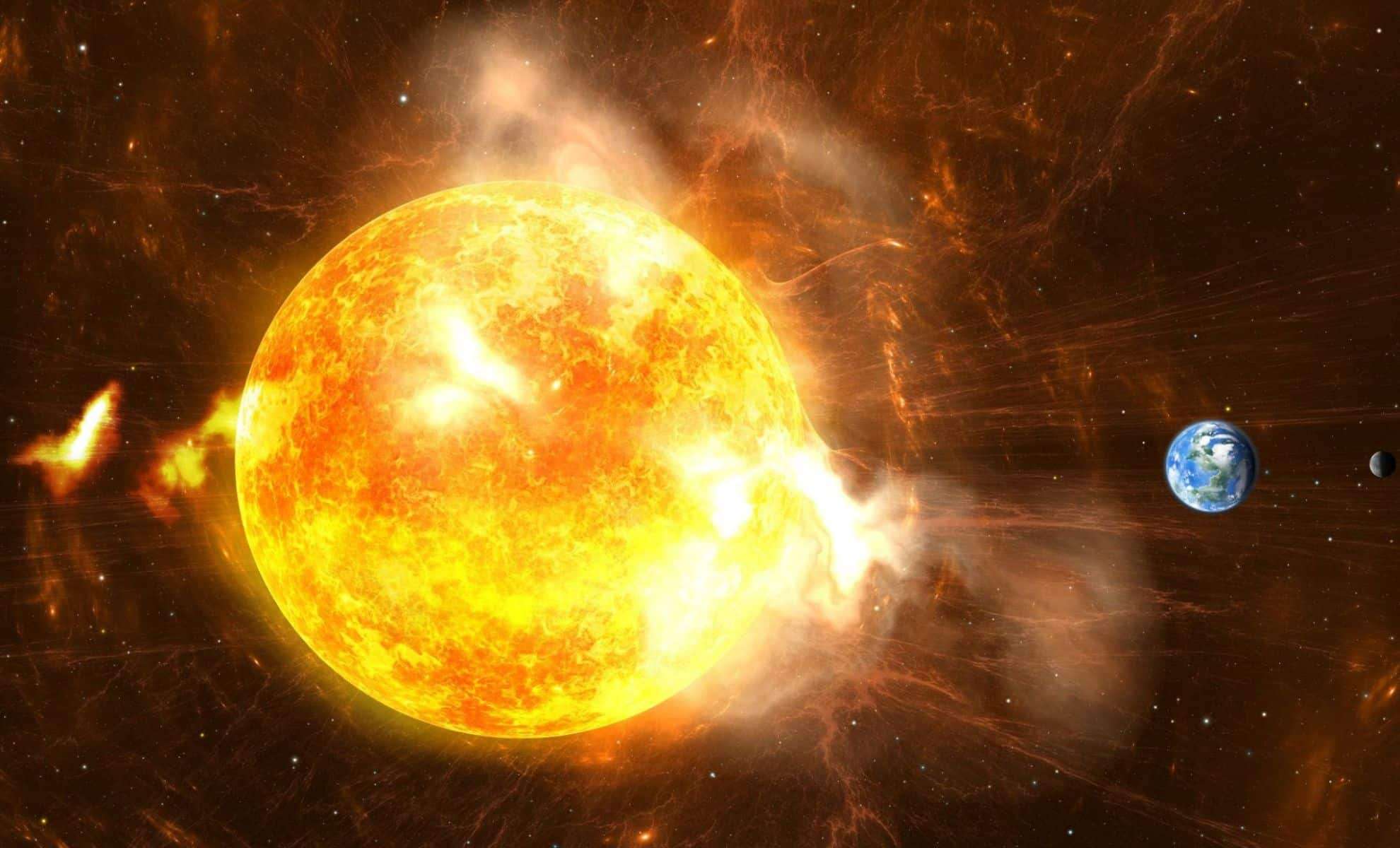
NOAA has issued a watch for a potential G4 geomagnetic storm expected Friday, marking the first such alert in almost 20 years. This warning follows several days of heightened solar disturbances that have propelled multiple eruptions of plasma and magnetic fields toward our planet.
Understanding Geomagnetic Storms
Geomagnetic storms are significant disruptions in Earth's magnetosphere, the protective magnetic bubble generated by our planet.
Such storms arise when solar wind transfers large amounts of energy into the space around Earth, influencing its magnetic environment.

Earth's magnetosphere acts as a shield against most energetic particles emitted by the Sun.
However, when a coronal mass ejection (CME) or a high-speed solar wind stream impacts Earth, it disturbs this protective field.
If the solar magnetic field carried by the incoming plasma is pointed southward, it strongly interacts with Earth's northward magnetic field.
This interaction causes Earth's magnetic field lines to peel back, allowing solar particles to travel along these lines and enter the upper atmosphere near the polar regions.
Impending G4 Storm Linked to Large Sunspot AR3664, NOAA Reports
G4 storms rank as the second-most intense classification of geomagnetic storms on NOAA’s scale, capable of causing widespread disruptions in voltage regulation. NOAA warns that these storms could lead to the automatic shutdown of critical infrastructure components and pose challenges to satellite control systems. The northern lights might become visible unusually far south, potentially reaching regions like Alabama and northern California.
SpaceWeather.com compares the severity of these storms to hurricanes, labeling G4 as “severe” or a category 4 equivalent.
NOAA’s recent update highlighted solar activity starting May 8, when a prominent sunspot group unleashed multiple moderate to strong solar flares. NASA characterizes solar flares as powerful bursts of radiation among the solar system’s most energetic explosions. This active region spans about 16 times Earth’s diameter, with more eruptions expected.
Known as AR3664, this sunspot is so vast it can be observed using solar eclipse glasses.
Space.com reports that AR3664 measures roughly 124,000 miles across, ranking it among the largest and most dynamic sunspots recorded during the current solar cycle.
Still have your solar eclipse glasses? There’s currently a sunspot so large you will be able to “spot” it while wearing them
15x wider than the earth! pic.twitter.com/XpQJEd4Qk0
— Eric Fisher (@ericfisher) May 9, 2024
The Sun has also emitted several coronal mass ejections—intense clouds of plasma and magnetic fields from its outer atmosphere. NOAA notes that at least five CMEs are directed toward Earth and could arrive as soon as midday Friday, with storm effects lasting through Sunday. The agency described this sequence as "exceptional."
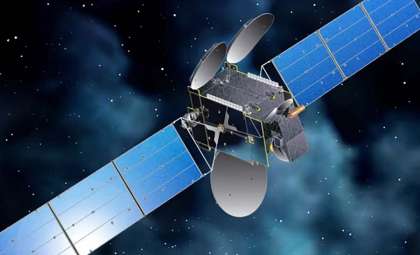
"Geomagnetic storms can affect satellites orbiting Earth and pose risks to terrestrial systems, including communication networks, power grids, navigation tools, radio signals, and satellite operations," NOAA explained. "Operators of these critical systems have been alerted to implement protective measures."
This G4 storm watch is the first since January 2005. While an average solar cycle includes about 100 strong geomagnetic storms, only three have been detected in this cycle, which began in December 2019. The latest occurred on March 23. The last G5 or extreme-level storm took place in October 2003, triggering power blackouts in Sweden and damaging electrical transformers in South Africa.





0 comments
Sign in to Comment