

Scientists in China have managed to partially revive pig brains up to an hour after death, uncovering a surprising contributor to this achievement: the liver. This discovery offers new perspectives on brain injury treatment and challenges current beliefs about recovery post-cardiac arrest.
Innovative Research Unlocks Brain Revival Post Mortem
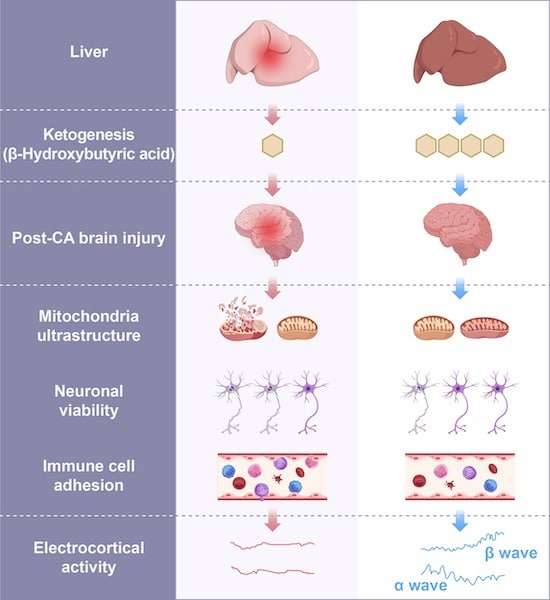
Researchers at Sun Yat-sen University induced cardiac arrest in pigs before reconnecting their brains to a system simulating blood flow. Notably, some brains were linked to functioning livers during the process. The findings were remarkable: brains coupled with livers exhibited significantly fewer injury indicators, showing reduced inflammation and sustained electrical signals, unlike those using traditional perfusion techniques.
This success is believed to stem from the liver’s production of protective substances such as ketone bodies, which serve as an essential alternative energy source when glucose is scarce, helping to shield brain cells from death. By dampening inflammation and limiting cerebral swelling, the liver might be vital in extending the brief window available for resuscitation in cardiac arrest cases.

The Liver’s Protective Mechanism Against Brain Injury
While commonly recognized for detoxification, the liver also plays a crucial role in protecting the brain. During a cardiac arrest, it supplies ketone bodies and other metabolites that support brain function when oxygen delivery is compromised. Furthermore, its anti-inflammatory effects aid in maintaining the structural health of neurons, especially in sensitive regions such as the cortex and hippocampus, which are particularly vulnerable during oxygen shortages.
This discovery could revolutionize emergency medicine by not only saving lives but also preserving brain function after critical events.
Potential to Expand the Timeframe for Effective Resuscitation
In cardiac arrest emergencies, every moment is critical. Brain cells begin suffering permanent damage within minutes without oxygen. The Chinese research demonstrating brain recovery in pigs suggests that the vital resuscitation period might be extendable, providing crucial extra time for lifesaving treatments.
While this approach has yet to be tested in humans, it opens the door to emergency protocols that incorporate liver-supported methods, which could greatly improve survival and cognitive outcomes following cardiac arrest.
Could the liver emerge as a key player in future resuscitation strategies? Though it may seem like a concept from science fiction, the evidence from this research pushes the limits of what we believe is achievable and hints at a future where death’s finality might be redefined.
- Categories:
- Science












0 comments
Sign in to Comment