
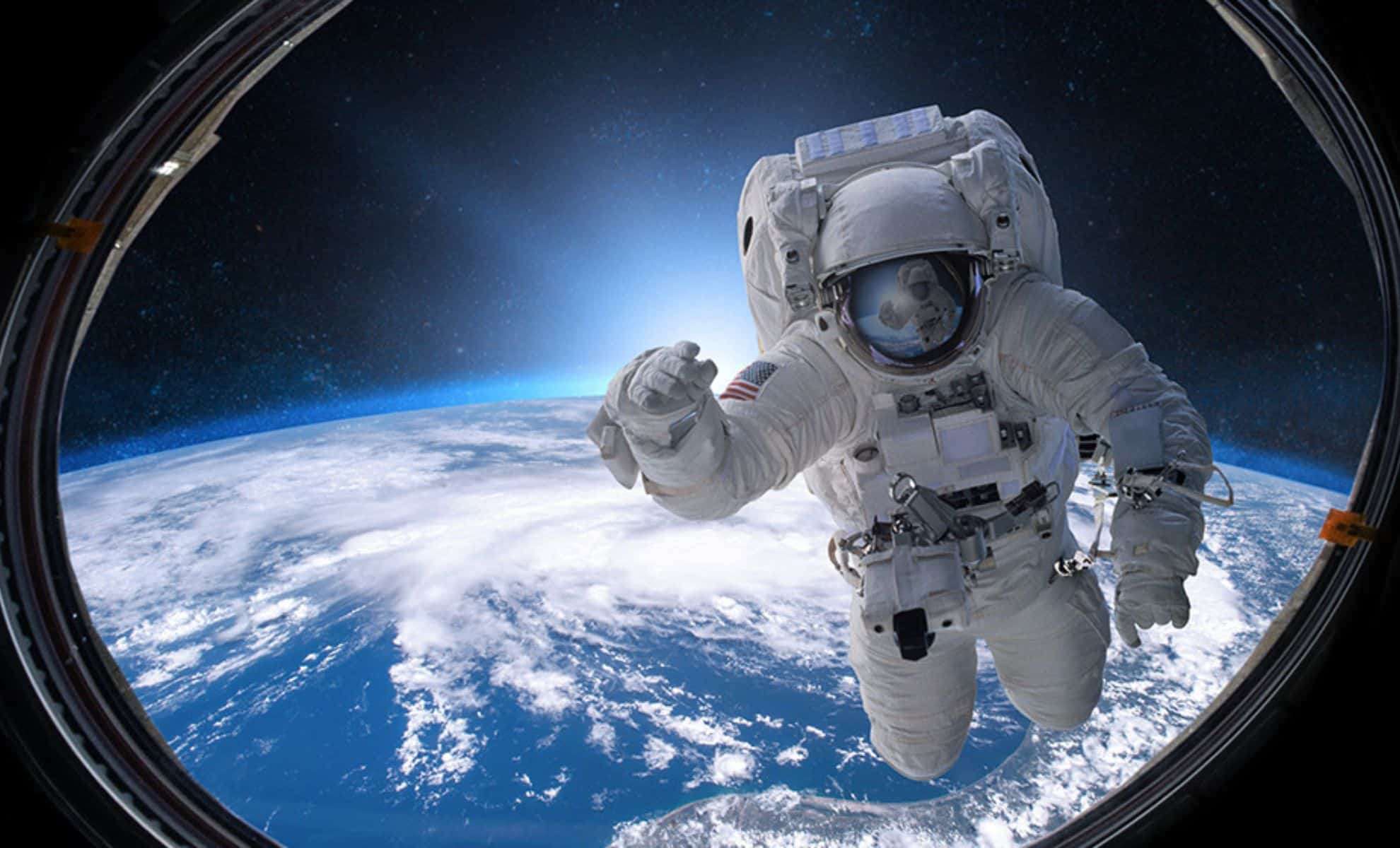
Recent studies demonstrate that even short journeys into space provoke physiological changes akin to those experienced by career astronauts on extended missions.
Published in a collection of scientific reports examining spaceflight's impact on health, this research sheds light on how individuals without astronaut training respond to the unique challenges of microgravity and cosmic radiation.
The data derives from the all-civilian SpaceX Inspiration4 mission, which orbited Earth for three days in 2021.

Physical Responses Noted in Space Travelers
The Inspiration4 expedition offered scientists a rare chance to observe the immediate physiological effects of orbital flight on non-professional astronauts.
The mission’s four civilian participants gathered various biological specimens including blood, saliva, and skin samples while in space. Analysis revealed substantial fluctuations in cellular activity and immune system functioning.
Significant changes were evident, demonstrating that even brief exposure to the space environment triggers biological responses. Most alterations returned to baseline after Earth re-entry, indicating short-term missions may have limited long-term health effects. "This is the first instance of detailed, single-cell analysis on a crew in space," noted Chris Mason from Weill Cornell Medicine, a co-author of the study. This granular investigation unlocks new understanding of space travel’s biological consequences for ordinary individuals.
Researchers found that space tourists underwent physiological shifts similar to those documented in seasoned astronauts. These included shifts in skin health, kidney operation, and immune response. The studies pointed out that while many effects were transient, some persisted beyond the mission.
Findings published across several Nature journals add to an expanding repository about how spaceflight influences human health. Susan Bailey, a radiation specialist at Colorado State University involved in the work, emphasized that this knowledge is vital for preparing future explorers. Tracking and interpreting these changes is key to creating protective strategies for upcoming missions.
Alterations at Cellular and Molecular Levels
A major discovery highlighted significant cellular and molecular shifts in the participants. Samples indicated that the harsh space environment prompts changes in gene activity and protein expression.
Such modifications mirror those seen in astronauts enduring prolonged missions, proving that even short stays in space can measurably alter biology. Researchers noted impacts on immune cells that could affect infection defense and tissue repair.
Afshin Beheshti from the Blue Marble Space Institute of Science stressed the importance of these results, suggesting they could guide development of methods to counteract spaceflight’s harmful effects. Grasping these cellular and molecular responses is essential to safeguarding astronaut health.
The investigations also addressed space radiation exposure’s role. Like veteran astronauts, space tourists encounter elevated cosmic radiation, which can damage DNA and raise cancer risk.
Evidence showed activation of DNA repair pathways in response, demonstrating the body’s natural defense mechanisms. These insights highlight the urgency of radiation shielding solutions as commercial space travel grows.
Looking Ahead: Preparing for Space Tourism and Exploration
Insights from Inspiration4 enrich understanding of how space travel impacts individuals unfamiliar with astronaut training. Such knowledge is increasingly vital as private spaceflight options multiply. The results carry important implications for space tourism’s future and broader human spaceflight endeavors.
Allen Liu, mechanical engineering professor at the University of Michigan, pointed out the necessity of learning about these effects for safely sending people into orbit for tourism or exploration. “It prepares us better for all kinds of human space missions,” Liu explained.
Additionally, the research underscores the need for space agencies and companies to develop robust health monitoring and support frameworks tailored to space tourists. These systems must detect and treat potential issues swiftly, enhancing the safety of those without professional astronaut conditioning.
The findings may also influence the design of space habitats and life support technologies intended to mitigate negative health consequences, ultimately making space travel safer for all participants.









0 comments
Sign in to Comment