
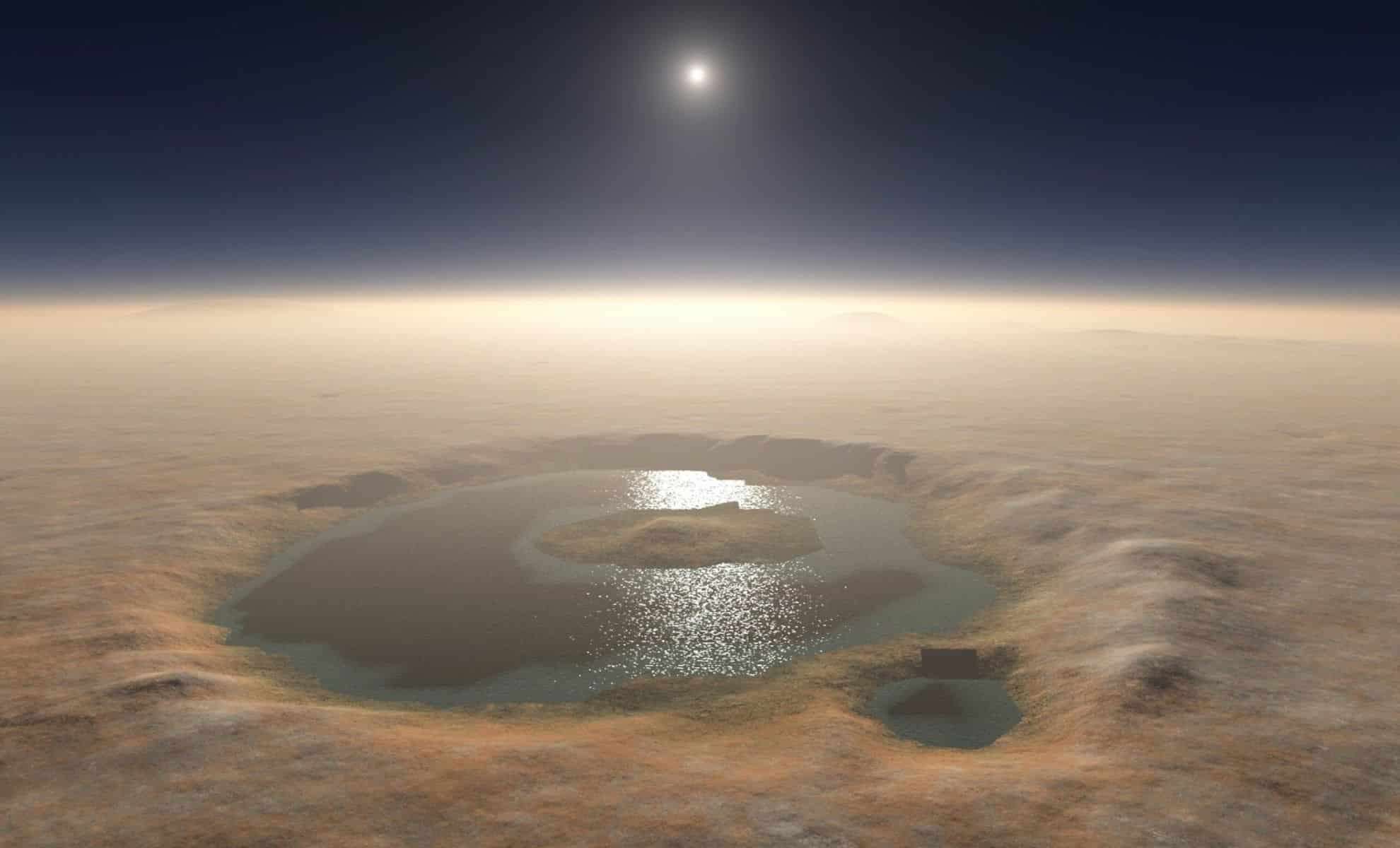
Recent analyses challenge the previous idea of a hidden liquid water reservoir beneath Mars’ south polar ice, tempering earlier hopes of discovering microbial habitats on the Red Planet.
In 2018, radar signals captured by the European Space Agency’s Mars Express spacecraft hinted at a subglacial lake approximately 12 miles long under the southern polar ice cap. However, recent findings from Cornell University offer a more conventional explanation for these radar reflections, suggesting they may arise from natural radar wave interactions rather than actual liquid water.
Examining the Radar Signal Origins
The initial enthusiasm resulted from radar data depicting strong reflections beneath the Martian south pole, resembling those associated with underground lakes found beneath Earth’s ice sheets. This led researchers to propose a subsurface liquid water body capable of supporting microbial life.

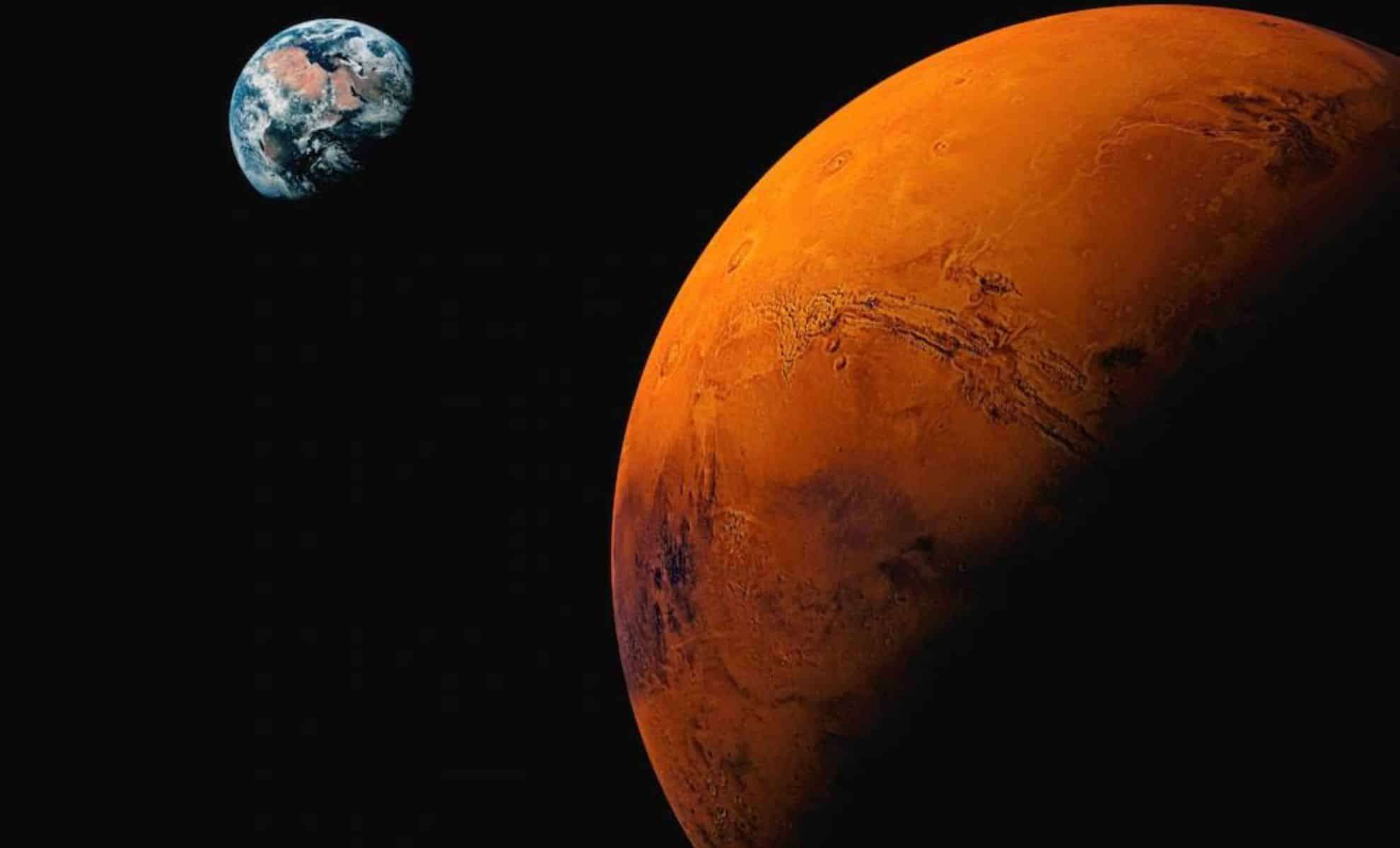
Additional evidence from Cambridge University noted surface ice formations consistent with a hidden lake below. Still, recent modeling from Cornell suggests subtle differences in the ice’s make-up and thickness could generate the radar reflections without needing liquid water.
Lead author Daniel Lalich, a postdoctoral researcher at Cornell’s Center for Astrophysics and Planetary Science, explains that these signals may be explained by radar wave reinforcement. “While it’s not impossible for liquid water to exist beneath the ice, our work shows that known processes and materials can fully account for the observations without invoking liquid water,” he says.
“Simply by chance, the radar waves can interfere constructively, producing the observed signal,” Lalich added.
Variability in ice composition and layering at the Martian poles is a recognized factor. Simulations revealed that these natural differences could explain the bright radar responses detected.
Lalich further stated, “This is the first comprehensive hypothesis to explain all observations beneath the ice without requiring unusual materials or circumstances.”
Details of the Latest Research
The study presents a refined and realistic model to clarify the radar echoes initially attributed to subsurface lakes. By recreating different ice layering scenarios, researchers showed that minor fluctuations in ice properties cause radar waves to amplify through constructive interference, producing signals similar to those expected from liquid water but without needing such conditions.
Published in Science Advances, Lalich’s paper, titled "Small Variations in Ice Composition and Layer Thickness Explain Bright Reflections Below Martian Polar Cap Without Liquid Water," argues that the signals can be generated by materials already confirmed on Mars. “The chance of liquid water near the surface would have been thrilling,” he notes, “but our results cast doubt on that.”
Consequences for Martian Life Exploration
The presence of liquid water on Mars remains a key factor in the quest to find life. While evidence from rover missions such as NASA’s Perseverance confirms the existence of ancient water flows, current polar conditions—with low temperatures and pressures—make stable liquid water below ice caps unlikely.
Nonetheless, research continues in other Martian regions, applying advanced detection tools to search for signs of life past or present. This Cornell study emphasizes the importance of considering straightforward explanations and rigorously testing theories before confirming liquid water presence. Their results indicate that the radar reflections may stem from ice characteristics rather than hidden lakes.
The findings have stirred debate among scientists, with some Cambridge researchers noting they haven’t reviewed the new study and maintaining that unique surface patterns aren’t fully explained by radar interference alone.
Though this new perspective reduces chances of finding liquid water beneath Mars’ southern ice cap, it doesn’t diminish ongoing exploration efforts. Robotic missions and future human expeditions remain vital for unraveling Mars’ mysteries and assessing its habitability. For instance, Perseverance is currently investigating an old river delta in Jezero Crater, seeking clues about the planet’s watery history and potential for life.
- Categories:
- Astronomy ,
- News ,
- Space










0 comments
Sign in to Comment