
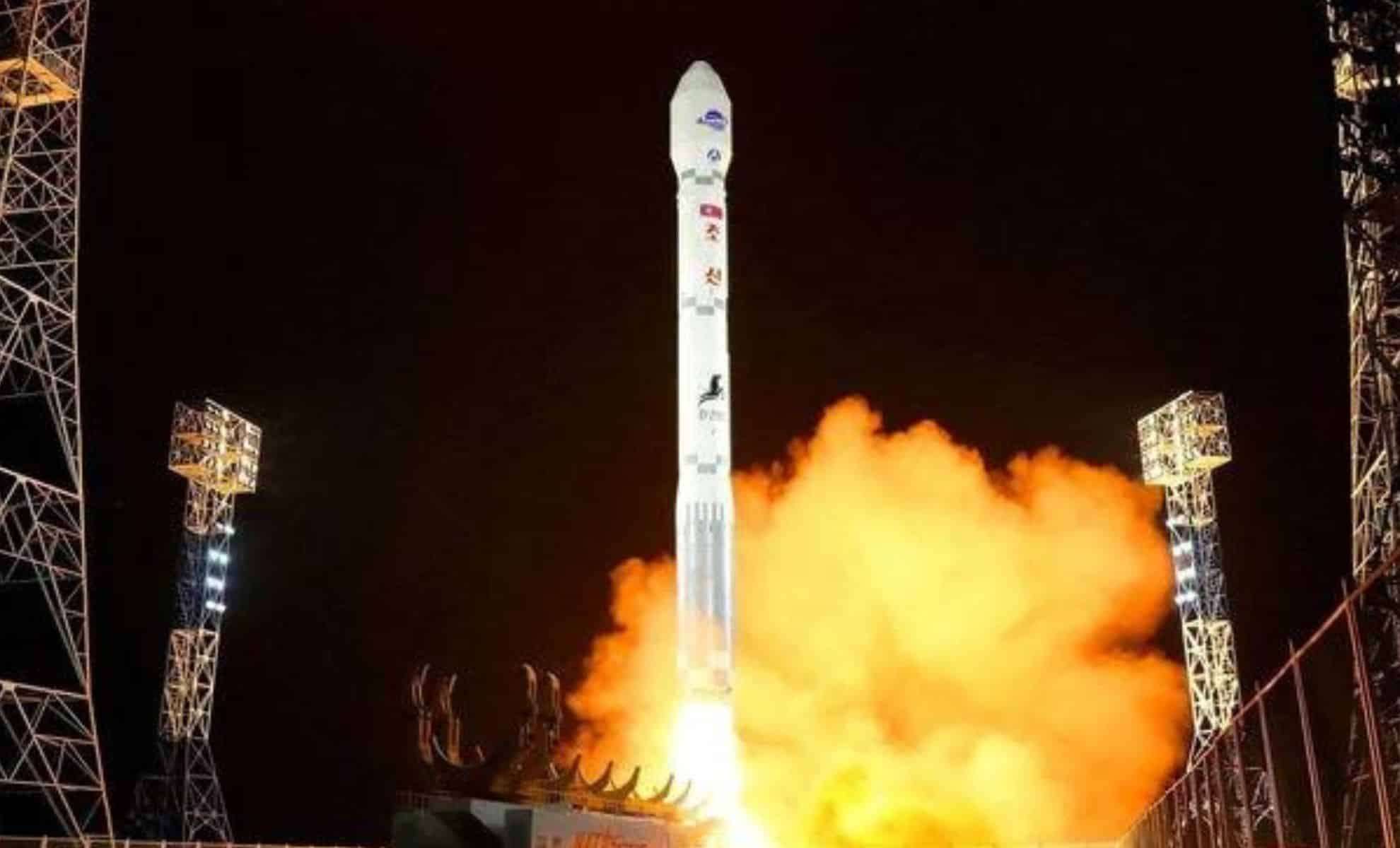
North Korea has recently intensified efforts to progress its space exploration program, aiming to secure strategic and technological advantages in orbit.
The nation's goals involve deploying satellites for communications, reconnaissance, and scientific research. Yet, these ambitions have encountered major hurdles, exemplified by a recent devastating satellite launch failure.
Setback in North Korea’s Satellite Launch Endeavor
A recent satellite launch attempt by North Korea ended abruptly in disaster due to an explosion. The malfunction has been traced back to defects in a new liquid oxygen engine, a vital propulsion component engineered to place the satellite into orbit.

The failure during ascent caused the satellite to veer off course and break up mid-flight.
This incident casts doubt on the robustness and preparedness of North Korea’s aerospace tech, highlighting the complexity and inherent risks involved in space vehicle deployment.
Complexities of Liquid Oxygen Propulsion Systems
Liquid oxygen-fueled engines are prized for their high performance but come with intricate engineering demands. Operating at cryogenic temperatures, these engines require exceptionally accurate controls. Any imperfection in integrating these engines into the launch vehicle can lead to critical failures.
North Korea’s recent launch disaster highlights the precision challenges faced. Potential causes include design weaknesses, insufficient prototype testing, or substandard materials.
This technology, essential for delivering sufficient liftoff thrust, is highly sensitive to even small anomalies, which can culminate in the kind of catastrophic malfunction observed.
Engine Design and Operational Concerns
The liquid oxygen engine at the heart of the mission is tasked with generating the thrust needed to position the satellite into geostationary orbit. These engines must endure and function effectively amid severe thermal and mechanical stresses during launch.
Evidence from the failure points toward significant flaws in either the engine’s conceptual design or manufacturing quality. Comprehensive failure investigations will likely focus on factors such as thermal protection, propellant feed systems, and structural resilience.
Alternative Propulsion Technologies
Satellite propulsion can also rely on alternatives to liquid oxygen engines. Mono-propellant systems, often using hydrazine, and bi-propellant configurations with fuels like monomethylhydrazine (MMH) combined with nitrogen tetroxide (NTO) are widely used for their proven reliability.
These propulsion types are well-established, having demonstrated dependable performance for in-orbit adjustments and station-keeping. Electric propulsion offers a high-efficiency option designed for prolonged operations in geostationary orbits, although initial orbital boosts typically require chemical engines.
Electric Propulsion: A Promising Alternative
The satellite industry increasingly adopts electric propulsion systems, including ion and Hall-effect thrusters. These provide sustained, low-intensity thrust ideal for lengthy missions, significantly improving fuel economy and extending satellite operational lifetimes.
Nevertheless, electric propulsion demands considerable power and upfront investment. For North Korea, pursuing this technology could enhance their satellite programs if they manage to address the related technical and economic challenges.
Wider Consequences of Launch Failures
The satellite blast's impact extends beyond technical setbacks. Successful orbital insertion is crucial for demonstrating spacefaring capability and meeting strategic needs such as reconnaissance and communications.
Repeated failures stall progress and diminish confidence in the technical maturity of the program. This event will likely trigger a reevaluation and overhaul of current technology and launch strategies.
Global Responses and Implications
International observers remain vigilant regarding North Korea’s satellite launch activities due to their potential connection with ballistic missile advancement. The recent failure has attracted significant global scrutiny.
The United States has persistently expressed alarm over North Korea’s space endeavors, perceiving them as disguised ballistic missile development efforts. Following the explosion, U.S. officials reiterated demands for North Korea to comply with international norms and halt provocative launches. Washington regards these efforts as threats to regional security, advocating for reinforced sanctions and diplomatic pressure.
South Korea, positioned within potential missile range, has strongly reacted to the failed launch. Authorities stress the importance of enhancing defense capabilities and bolstering cooperation with the U.S. to counteract any future provocations. The military remains on heightened alert, conducting surveillance and readiness drills.
Japan has voiced serious concerns about North Korea’s missile and satellite test programs. Given its geographical proximity, Japan considers itself at risk from potential missile attacks. Tokyo has condemned the tests and called for rigorous enforcement of UN sanctions, also urging North Korea to resume diplomatic negotiations aimed at regional stability.










0 comments
Sign in to Comment