

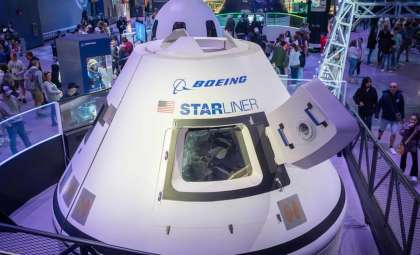
NASA and Boeing have confirmed an indefinite postponement of the crewed test mission for Boeing’s CST-100 Starliner spacecraft.
This halt comes in response to persistent helium leakage within the propulsion system, halting progress on the planned mission launch.
Examining the Hold on Boeing’s Starliner Mission
The crewed flight test (CFT), originally slated for May 25, encountered several setbacks due to a helium leak discovered in the spacecraft’s service module thruster flange on May 14.

NASA initially pushed the launch back from May 17 to May 21 to enable engineers to analyze the leak. Although the leak was deemed stable and not an immediate threat, further delays followed as Boeing sought to confirm system reliability and backup capabilities throughout the mission.
Engineering Obstacles
This helium leak presents a serious engineering concern. Helium serves as a pressurizing agent in the spacecraft’s fuel tanks, and any breach can compromise operational safety and efficiency. Despite Boeing engineers’ efforts to establish mitigation strategies, no definitive solution has emerged, stalling the timeline.
NASA’s recent update did not elaborate on the leak specifics or the factors that prompted an indefinite postponement. Without a revised launch date, the focus remains on resolving these challenges to guarantee a safe mission.
Consequences for the Scheduled Mission
The open-ended delay introduces uncertainty for the Starliner program’s trajectory. Previously, NASA’s ISS scheduling was maintained through August anticipating Starliner’s arrival for docking and crew transfer lasting over a week. This prolonged gap threatens to disrupt those plans and alter mission goals.
Furthermore, as the Starliner remains affixed atop its Atlas V rocket, extended ground time may necessitate spacecraft refurbishment before flight. The delay underscores the demanding safety standards and intricate nature of human spaceflight initiatives.
Background of the Starliner Endeavor
Boeing’s Starliner initiative has confronted numerous obstacles since its launch. As part of NASA’s Commercial Crew Program designed to create private astronaut transporters to the ISS, the Starliner has experienced setbacks including a flawed uncrewed test flight in December 2019 caused by software malfunctions that prevented ISS docking.
Regardless, Boeing and NASA continue addressing these issues, preparing for the pivotal crewed mission that would validate the spacecraft’s capability to ferry astronauts safely and support U.S. space exploration ambitions.
National and Strategic Value
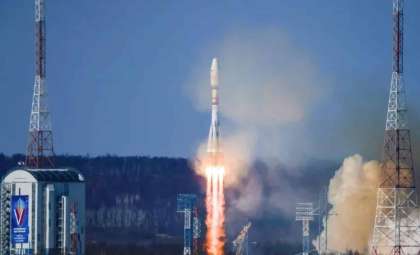
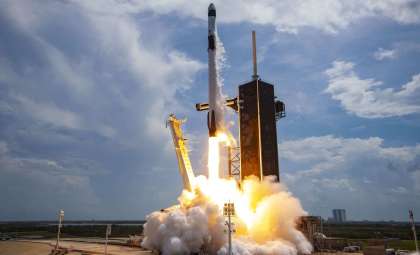
The Starliner effort holds significant strategic weight for NASA and the U.S., as it aims to eliminate reliance on Russian Soyuz vehicles for ISS crew transport. Together with SpaceX’s Crew Dragon, successfully operating Starliner flights would secure redundant US-based access to low Earth orbit, enhancing mission resilience and human spaceflight flexibility.
These delays highlight the formidable challenges in pioneering space technology, illustrating the demanding testing and safety measures needed for crewed missions. The space sector is watching closely as NASA and Boeing tackle these hurdles, given their broader impact on future commercial spaceflight endeavors.
Looking Ahead
Resolving the helium leak and completing a successful crewed test flight will be critical steps forward for Starliner. These accomplishments are essential for enabling routine astronaut missions to the ISS and advancing NASA’s long-range goals for sustainable human lunar and Martian exploration.
The ongoing partnership between NASA, Boeing, and commercial collaborators exemplifies the vital role of public-private cooperation in space advancement. Despite current setbacks, their joint efforts continue to drive innovation and exploration beyond Earth.




0 comments
Sign in to Comment