
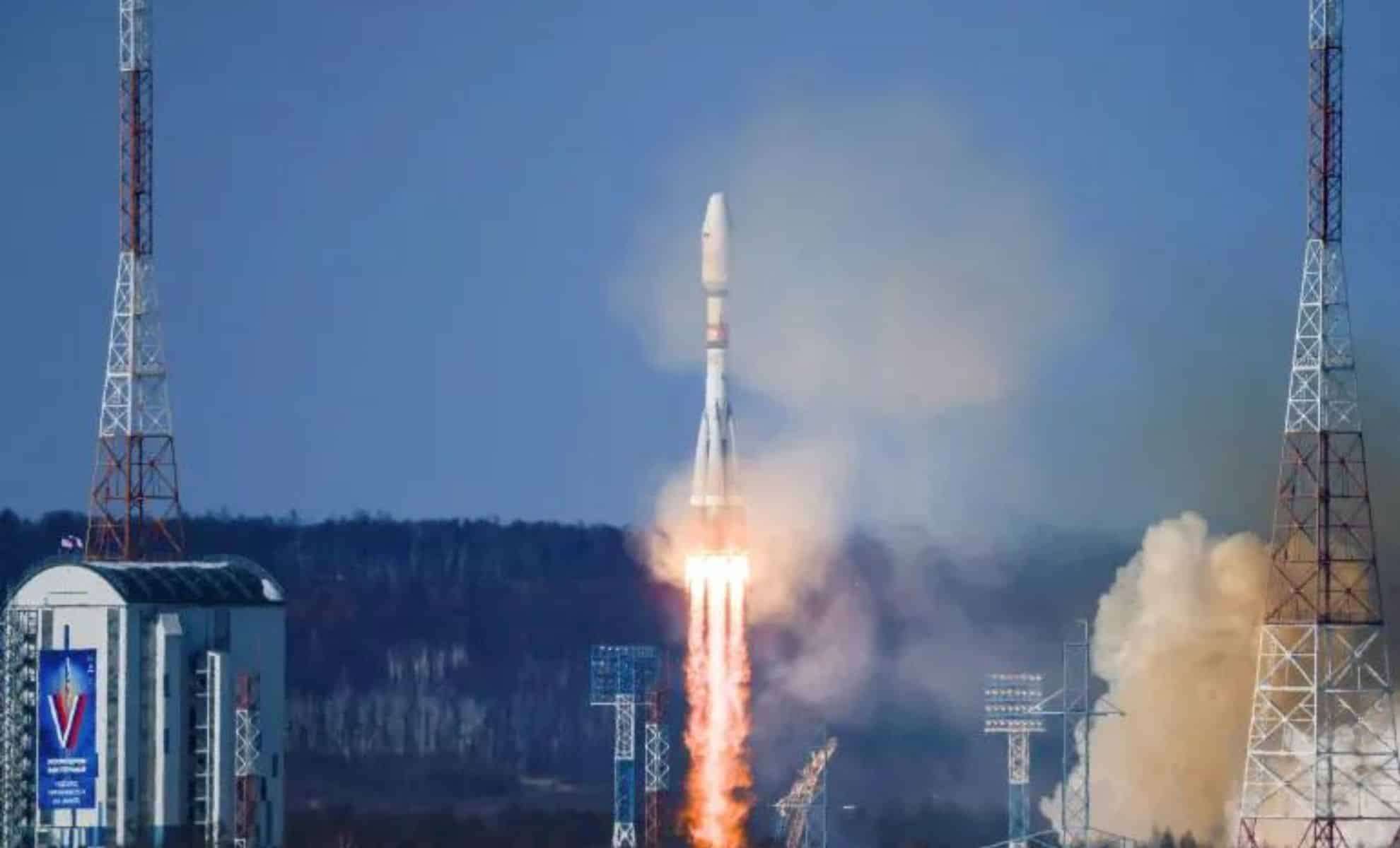
The United States has raised alarms after Russia launched a satellite believed to have capabilities to threaten other satellites, sparking fears about the militarization of space.
This event underscores the critical importance of safeguarding space as nations expand their technological and strategic reach beyond Earth.
Incident Overview
On May 17th, Russia deployed the satellite named Cosmos 2576 aboard a Soyuz-2.1b rocket from the Plesetsk Cosmodrome, situated about 800 km north of Moscow. The Pentagon suspects this satellite to be an anti-satellite weapon intended to disrupt or neutralize other satellites in low Earth orbit (LEO). The presence of such a device has intensified tensions, with the US viewing it as a direct challenge to its orbital assets.

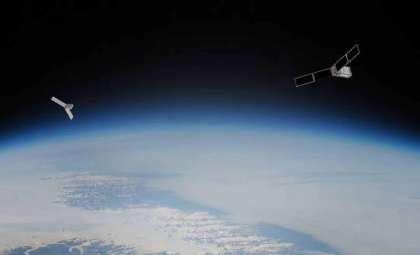
According to Brigadier General Pat Ryder, spokesperson for the Pentagon, Cosmos 2576 is operating in the same orbital path as the US government satellite USA 314. This positioning suggests possible intentions to interfere with or harm US satellites.
The Pentagon’s conclusions draw on similarities between this satellite and prior Russian counter-space payloads launched in 2019 and 2022, which demonstrated the ability to maneuver close to other satellites potentially to disable them.
Launch and Orbital Dynamics
The Soyuz-2.1b rocket, a reliable asset in Russia's space program for both civil and military missions, delivered Cosmos 2576 into orbit. US defense officials are particularly concerned about the satellite’s placement in the same plane as USA 314. Tracking data indicates that Cosmos 2576 is steadily drawing nearer to USA 314, fueling fears about a potential hostile engagement.
US Space Command has maintained constant surveillance of the satellite since launch. A command representative highlighted the satellite’s probable capability to attack other LEO satellites, underlining the ongoing need for vigilance to protect US space assets.
Russia’s Official Statement and Broader Implications
In response, Russia’s Foreign Ministry spokesperson Maria Zakharova criticized the US for attempting to militarize space, calling it an effort to turn the cosmos into a battlefield. She reiterated Russia’s official position opposing weaponization of space and backing the peaceful use of outer space.
Meanwhile, US officials have voiced strong concerns about Russia’s motives, labeling the Cosmos 2576 launch a provocative act that jeopardizes international efforts to preserve space as a conflict-free environment. The Pentagon has urged for stronger international collaboration to address space weaponization and to establish norms preventing an arms race beyond Earth.
Historical Context and Past Actions
Worries surrounding Cosmos 2576 are grounded in Russia's prior anti-satellite activities. In November 2021, Russia conducted a test that destroyed an obsolete Soviet satellite, generating debris hazardous to other spacecraft and the International Space Station (ISS). This action was widely condemned globally for its recklessness.
Additionally, in 2019, a Russian satellite was seen shadowing a US National Reconnaissance Office (NRO) satellite, sparking questions about Russian space intentions and capabilities.
These precedents, alongside the ongoing Ukraine conflict, have heightened US anxieties that Russia might leverage its space systems to target satellites essential for military communication and intelligence.
The Growing Strategic Need for Space Security
With increasing reliance on satellites for communication, navigation, and intelligence gathering, protecting space assets has become vital for national defense. Satellites provide critical support for military operations, enabling communication, reconnaissance, and early missile detection. Disabling these can have profound security consequences.
The deployment of systems like Cosmos 2576 signals an intensifying rivalry among global powers. As more nations enhance their space capabilities, the likelihood of conflicts extending into space rises. The US and its allies must strengthen space security efforts, including building more resilient satellites, enhancing situational awareness, and developing defensive responses against potential threats.





0 comments
Sign in to Comment