

A notable upswing in aurora borealis activity is expected as the sun nears its solar maximum, the peak phase in its 11-year cycle of heightened solar phenomena.
The rise in geomagnetic disturbances, triggered by coronal mass ejections (CMEs), not only promises more dazzling northern lights but also presents challenges to Earth's technological systems and infrastructure. Gaining insight into these effects and preparing accordingly is vital during this active solar period.
The Link Between Geomagnetic Storms and the Northern Lights
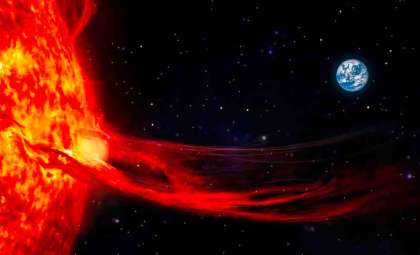
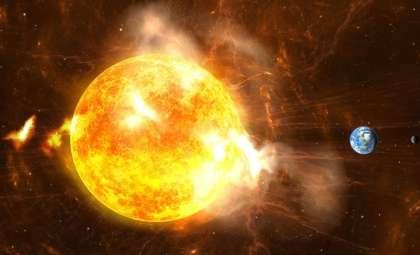
Recently, a geomagnetic storm caused by a powerful coronal mass ejection (CME) produced vivid aurora borealis displays seen across multiple regions around the globe. Such storms happen when massive bursts of solar plasma interact with Earth's magnetic shield.

This interaction energizes atmospheric particles, creating the glowing effects characteristic of the northern lights. As solar maximum approaches, these phenomena are projected to occur with greater frequency and intensity.
What Is Solar Maximum?
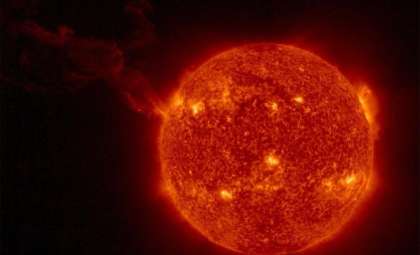
The solar maximum represents the zenith of the sun's magnetic cycle every 11 years, during which the sun’s magnetic field intensifies and its magnetic poles flip.
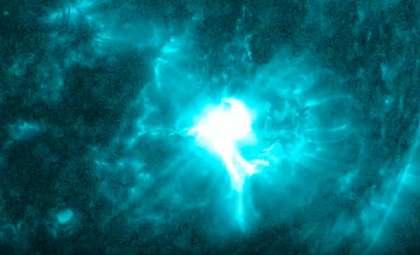
This phase features a surge in sunspot numbers, solar flares, and CMEs. Solar scientists keep a close watch on these changes because they significantly influence space weather and, by extension, various Earth-based technologies.
Experts at the Space Weather Prediction Center (SWPC) have noted that this solar cycle is exhibiting more intense activity than expected, forecasting a higher rate of intense geomagnetic storms into 2025 and 2026.
Effects on Technology
Geomagnetic storms pose significant risks to technology. Satellites are especially vulnerable since CMEs can modify the density and composition of the upper atmosphere, affecting satellite trajectories and operations. Disruptions to the ionosphere can cause errors in GPS systems by interfering with signal transmission.
Moreover, electrical grids may be impacted by currents induced during geomagnetic storms, risking blackouts or damage to critical infrastructure like transformers. As dependence on such technologies grows, understanding and countering storm effects becomes increasingly critical.
Progress in Space Weather Forecasting
To tackle these challenges, considerable advances have been made in space weather forecasting. The SWPC plays a pivotal role in detecting solar activity and anticipating geomagnetic disturbances. Early alerts from the center enable industries to prepare for potential outages or damage.
Enhanced predictive models and instruments have improved forecast accuracy, enabling better prevention strategies. For example, utility companies can safeguard grid components, and satellite operators can modify orbits to lessen harm.
Past Incidents and Recent Storms
The disruptive power of geomagnetic storms is historically documented. The 1859 Carrington Event famously disrupted global telegraph communications, while a 1989 storm triggered a nine-hour power failure in Quebec, Canada.
The latest storm, which reached the top tier on the SWPC’s intensity scale, highlights the potential seriousness of such solar activity. Although no significant disruptions occurred this time, the heightened activity during the solar maximum emphasizes the need for ongoing vigilance and readiness.
Boosting Resilience and Response
Effective preparation is essential to lessen the impact of geomagnetic disturbances. The SWPC collaborates extensively with multiple sectors to provide critical information for infrastructure protection.
This includes comprehensive forecasts, timely alerts, and recommended safeguards. For instance, the aviation industry utilizes space weather data to avoid high-altitude paths during solar storms to limit radiation exposure for passengers and crew. Similarly, communications providers may alter frequencies or adjust routing to maintain service during solar disruptions.


0 comments
Sign in to Comment