
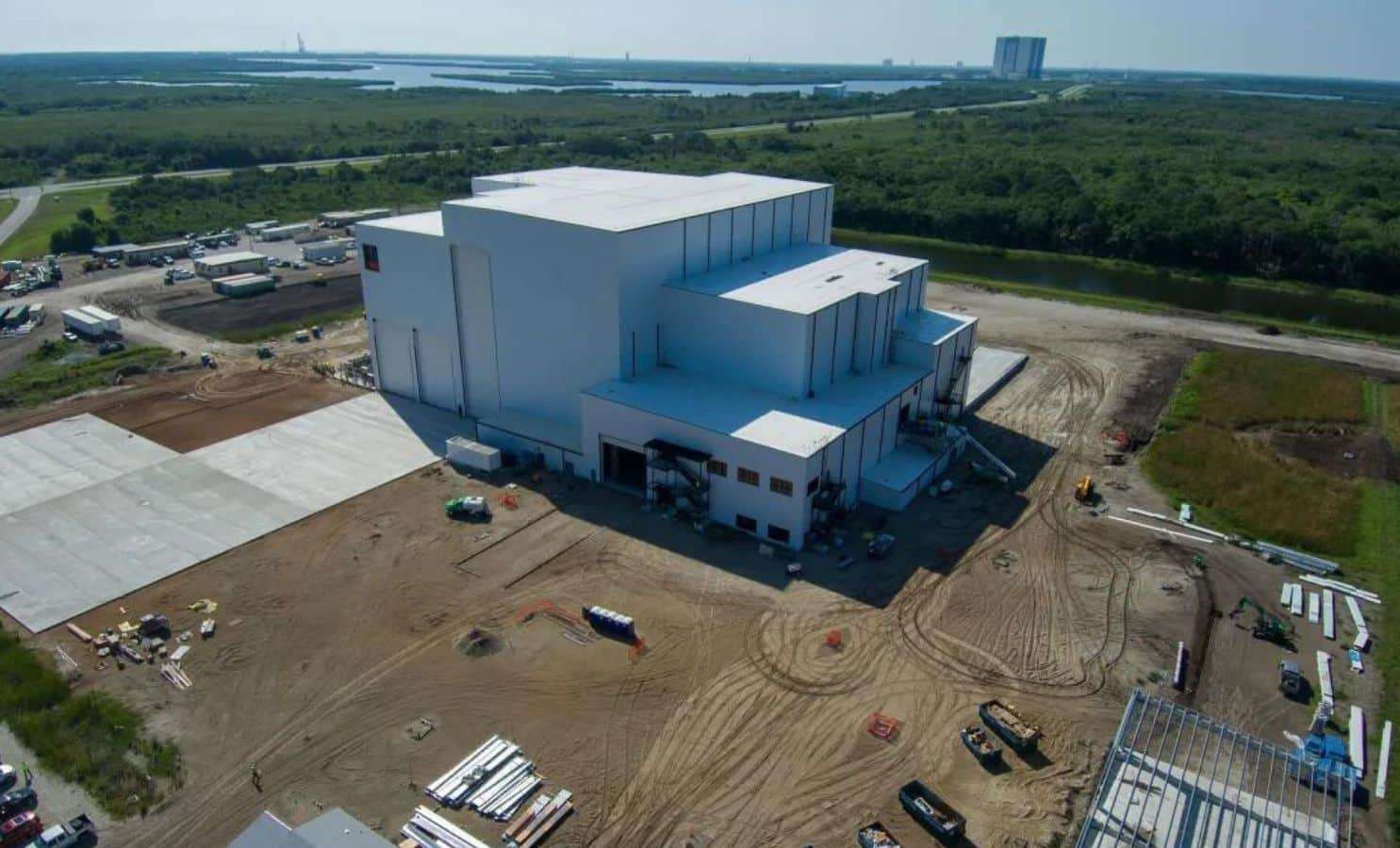
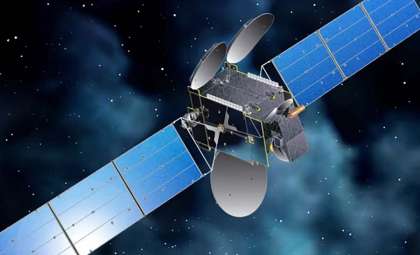
Amazon is intensifying its involvement in the aerospace sector by significantly enlarging its footprint at NASA's Kennedy Space Center to expedite Project Kuiper, a vast plan to deploy over 3,200 satellites into low Earth orbit.
This satellite constellation aims to deliver fast, low-latency internet service to underconnected areas worldwide.
To facilitate this, Amazon is committing $19.5 million towards a secondary satellite processing site at the Space Coast, increasing its total regional investment to nearly $140 million.

The facility expansion will accelerate satellite preparations ahead of launches and help Amazon adhere to strict deadlines set by the Federal Communications Commission (FCC).
Boosting Satellite Launch Capacity to Meet FCC Deadlines
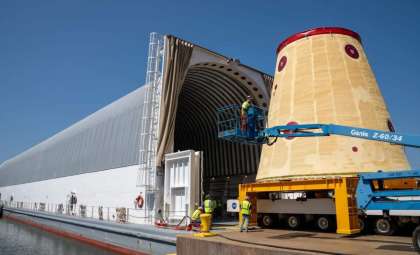
The main satellite processing center, which is under construction at Kennedy Space Center, is expected to be finished by the end of this year. In addition, the new 3,900-square-meter secondary facility, unveiled by Amazon, is projected to be operational by early 2025, further enhancing Amazon’s ability to prepare satellites for launch.
These installations are vital for handling and readying satellites, enabling Amazon to fulfill the FCC’s mandate that half of the Kuiper constellation be functional by July 2026, a deadline critical to maintaining the company’s license.
Amazon’s Kirkland, Washington facility also contributes significantly by manufacturing up to five satellites daily at its highest output, supporting the upcoming surge of launch activities.
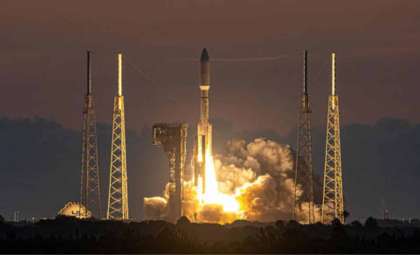
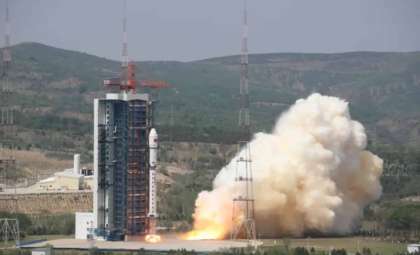
For satellite deployment, Amazon has secured contracts with top launch service providers, including 8 Atlas V and 38 Vulcan Centaur rockets from United Launch Alliance (ULA), 18 Ariane 6 rockets from Arianespace, and 27 New Glenn rockets from Blue Origin. This versatile launch fleet enables the release of large satellite batches, aiding adherence to FCC timelines despite earlier delays.
Strengthening Florida as a Growing Center for Space Technology
Amazon's expanded operations at Kennedy Space Center highlight Florida's rising status as a pivotal space innovation and economic zone. The historic Space Coast is increasingly attracting commercial space enterprises.
Brian Huseman, Amazon’s vice president for public policy, emphasized the dual economic and technological gains the region will experience. “Increasing investments in Project Kuiper’s infrastructure at Space Florida’s Launch and Landing Facility reinforces Florida’s role as a leader in space technology and employment,” Huseman remarked.
Amazon is also funding upgrades at Cape Canaveral, including the construction of a second vertical integration facility (VIF-A). This will enable simultaneous preparation of multiple rockets by United Launch Alliance, enhancing launch cadence and efficiency.
This enhancement aligns with Amazon’s plans to speed up Kuiper’s deployment by increasing launch frequency and minimizing delays.
The commitment to Florida reflects a wider industry trend, with many commercial space firms capitalizing on the region’s robust launch infrastructure and skilled workforce. Amazon’s growth promises to generate jobs and boost investments in the local space sector.
Project Kuiper’s Ambition Amidst a Competitive Landscape
With a $10 billion investment, Project Kuiper aims to establish a global broadband satellite network that extends internet connectivity to unserved and underserved regions. This puts Amazon in direct competition with SpaceX’s Starlink, which has already launched thousands of satellites.
Strict FCC mandates require Amazon to have half of its satellite constellation in place by 2026 and full deployment completed by 2029, deadlines that Amazon’s expanded Space Coast facilities are critical to meeting.
By scaling up satellite processing and launch capabilities, Amazon is set to accelerate its deployment rate to rival Starlink’s rapid expansion. The infrastructure investment underscores the company’s intent to efficiently deploy thousands of satellites and establish comprehensive global coverage.
This project holds great promise for bridging connectivity gaps worldwide, bringing internet access to billions without reliable service. As Brian Huseman stated, “Project Kuiper isn’t simply about satellites; it’s about creating new economic opportunities and enhancing lives through improved connectivity.”
As Amazon continues to develop its space assets and fine-tune its launch processes, Project Kuiper is positioned to emerge as a dominant force in the expanding market of space-based internet services, supported by robust facilities at Kennedy Space Center to enable swift satellite deployment and meet future challenges.




0 comments
Sign in to Comment