
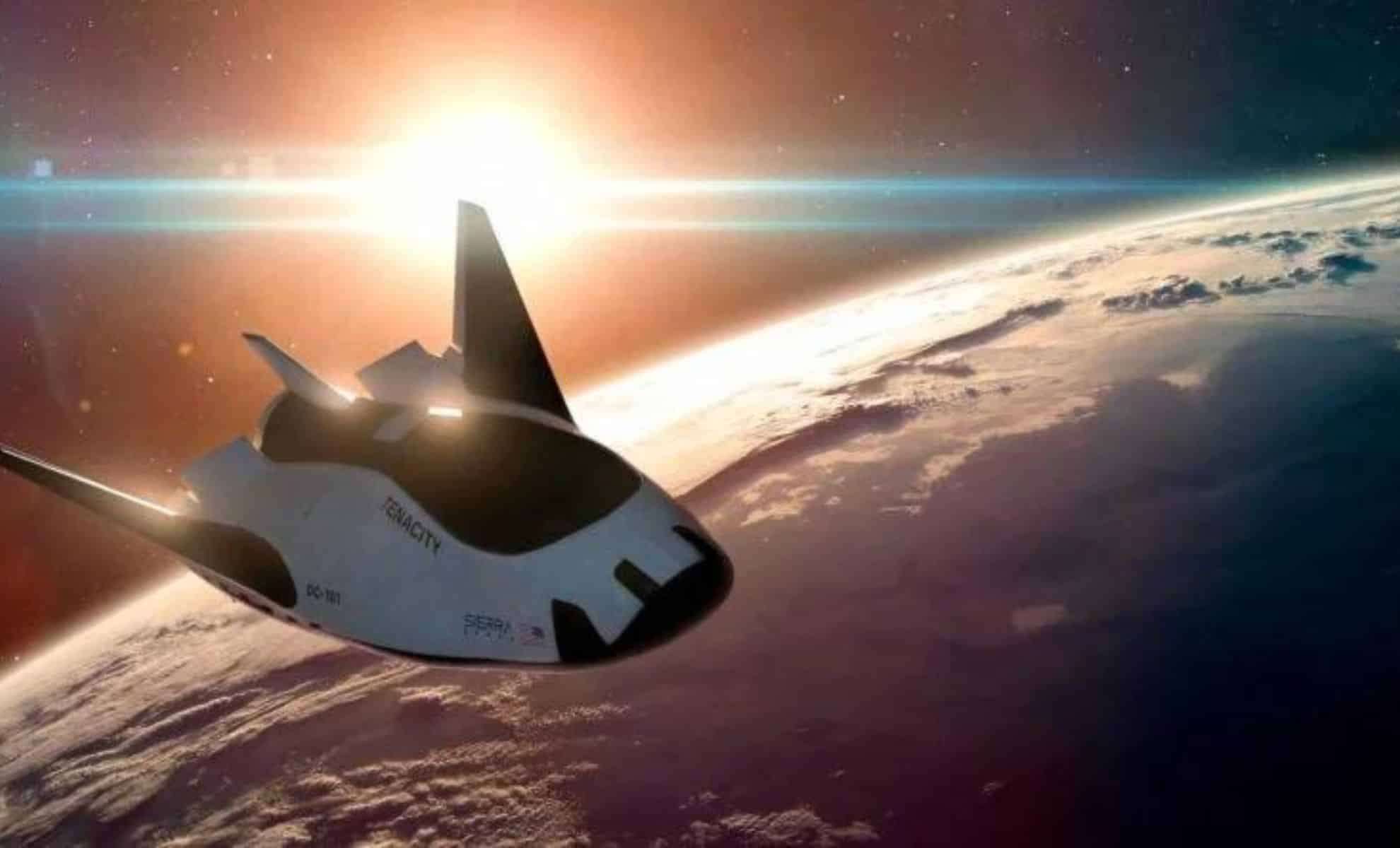
Sierra Space's Dream Chaser Tenacity has reached NASA's Kennedy Space Center, marking a key achievement in advancing commercial cargo deliveries to the International Space Station.
This uncrewed spaceplane is slated to ferry 7,800 pounds of supplies aboard a ULA Vulcan rocket, highlighting a major step forward in strengthening reliable and efficient ISS resupply operations. Its arrival reflects the completion of detailed engineering and preparation efforts to broaden commercial spaceflight capabilities.
Comprehensive Testing Before Launch
Prior to its transfer to Kennedy Space Center, Dream Chaser Tenacity and its partnered Shooting Star cargo module underwent extensive evaluations at NASA’s Neil Armstrong Test Facility. These assessments included vibration tests to mimic flight stresses and thermal trials spanning -150 to 300 degrees Fahrenheit to emulate the harsh environment of space travel and atmospheric re-entry.

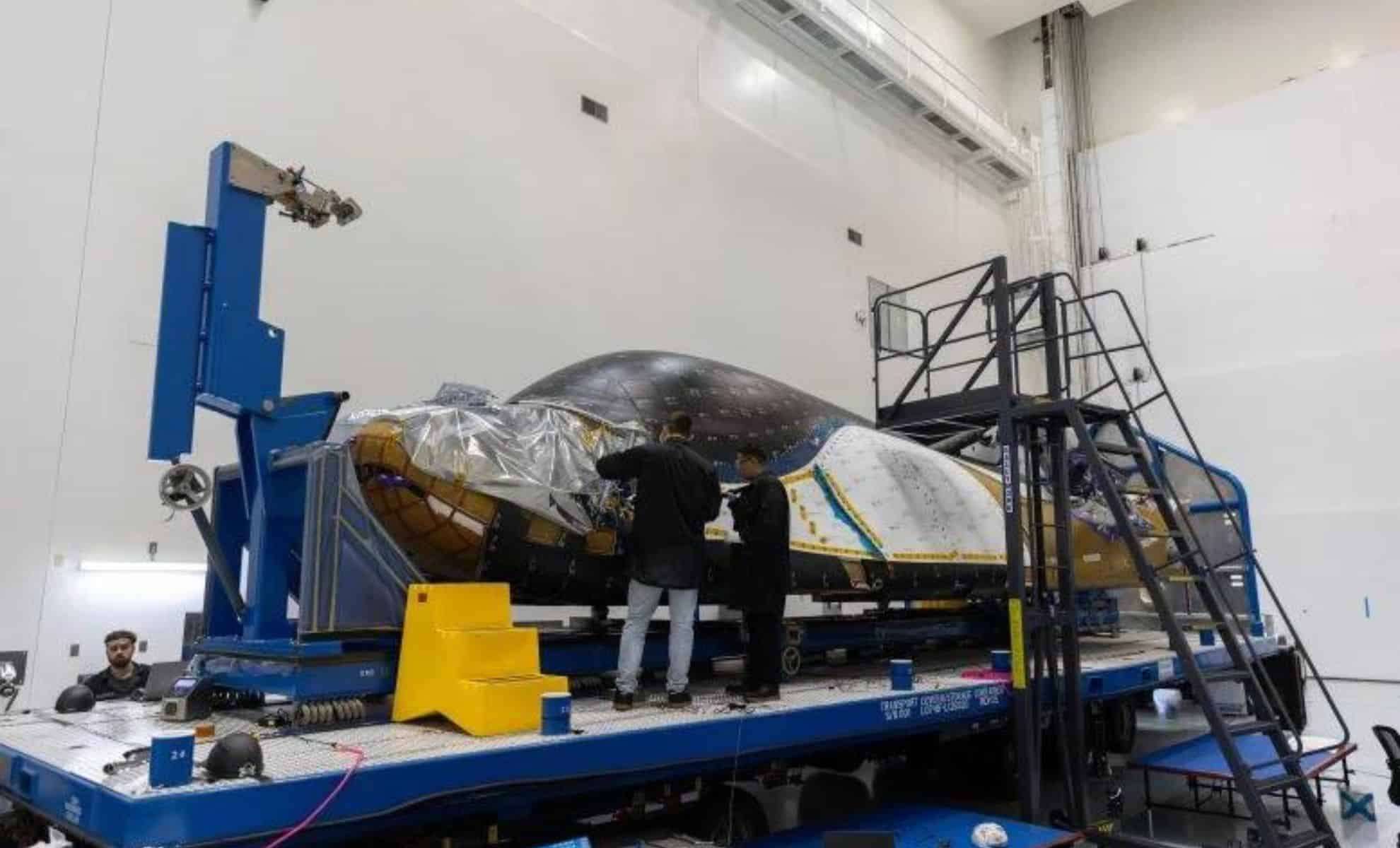
Such thorough evaluations ensure the vehicle's resilience from launch to landing. Vibration testing utilized the world’s most powerful spacecraft shaker system to replicate the intense forces expected during the mission.
Subsequently, the systems were exposed to low-pressure conditions replicating the vacuum of space to verify their performance in an orbiting environment.
Final Assembly and Checks at Kennedy Space Center
After arrival, the Dream Chaser Tenacity was moved into the high bay of the Space Systems Processing Facility for last-stage inspections and prelaunch procedures. These include acoustic testing and electromagnetic interference checks designed to guarantee flawless operation amid external disturbances.
The thermal protection shield, essential for safe Earth re-entry, is undergoing a detailed examination and any needed refinements. Integrating the payload carefully is another crucial task, ensuring the cargo is loaded securely to meet mission requirements. Each step aims to address potential challenges, confirming the craft's readiness for a forthcoming launch.
Innovative Design and Performance
The Dream Chaser boasts a distinctive lifting body and winged design, measuring approximately 30 feet in length and 15 feet across. This configuration permits runway landings akin to the NASA Space Shuttle, offering enhanced reusability and operational versatility.

Equipped with the Shooting Star cargo module, the spaceplane can carry up to 7,000 pounds inside, plus three extra external unpressurized payload mounts. This dual-module setup enables versatile transport of various cargo types to and from low Earth orbit.
The partially reusable vehicle is designed to complete up to seven cargo flights to the ISS. Future missions may increase cargo capacity to 11,500 pounds and extend orbital duration to 75 days.
While the Dream Chaser itself can return as much as 3,500 pounds of cargo to Earth, the expendable Shooting Star module is intended to detach and burn up during re-entry, safely disposing of up to 8,500 pounds of space waste. This approach not only improves cargo delivery efficiency but also addresses orbital debris management.
Certification and Orbital Maneuvering
NASA and Sierra Space will conduct in-orbit demonstrations to certify the spaceplane’s capabilities for upcoming resupply missions. These include tests of attitude control, thruster maneuvers, and abort scenarios to verify compliance with stringent operational standards.
Once in orbit, Dream Chaser Tenacity will execute precise approaches to the ISS, showcasing its fine maneuvering. Astronauts aboard the station will utilize the Canadarm2 robotic arm to capture and berth the spacecraft to an Earth-facing port. After a roughly 45-day stay, it will undock and glide back for a runway touchdown at Kennedy’s Launch and Landing Facility.
Post-mission, the Sierra Space team will perform thorough inspections, offload remaining cargo, and ready the vehicle for subsequent flights, ensuring it remains mission-ready according to NASA’s quality benchmarks.
Spacecraft Inspired by Science Fiction Nears Launch
Dream Chaser Tenacity, featuring retractable wings and a streamlined body, draws visual parallels to iconic "Star Wars" vessels. Its blend of striking design and sophisticated engineering reflects current aerospace innovations.
Arriving at NASA’s Kennedy Space Center, the Dream Chaser gears up for its initial ISS trip scheduled for September. The craft previously underwent environmental assessments at Ohio’s Neil Armstrong Test Facility, enduring space-like conditions to validate system readiness. This launch marks a significant milestone in commercial spaceflight progress.
Orbital Gliding Advantages
Developed through NASA contracts, the Dream Chaser is planned to complete seven cargo missions to the ISS. Unlike the parachute-reliant SpaceX Dragon, it glides back to Earth and can land on runways of at least 10,000 feet, affording increased operational flexibility.
The spaceplane is outfitted with ablative heat tiles for re-entry protection and paired with the expendable Shooting Star cargo module to boost payload and add waste disposal capabilities. Its design integrates proven spaceplane heritage with innovative features that enhance performance and mission versatility.
- Categories:
- Astronomy ,
- News ,
- Space ,
- Nasa







0 comments
Sign in to Comment