
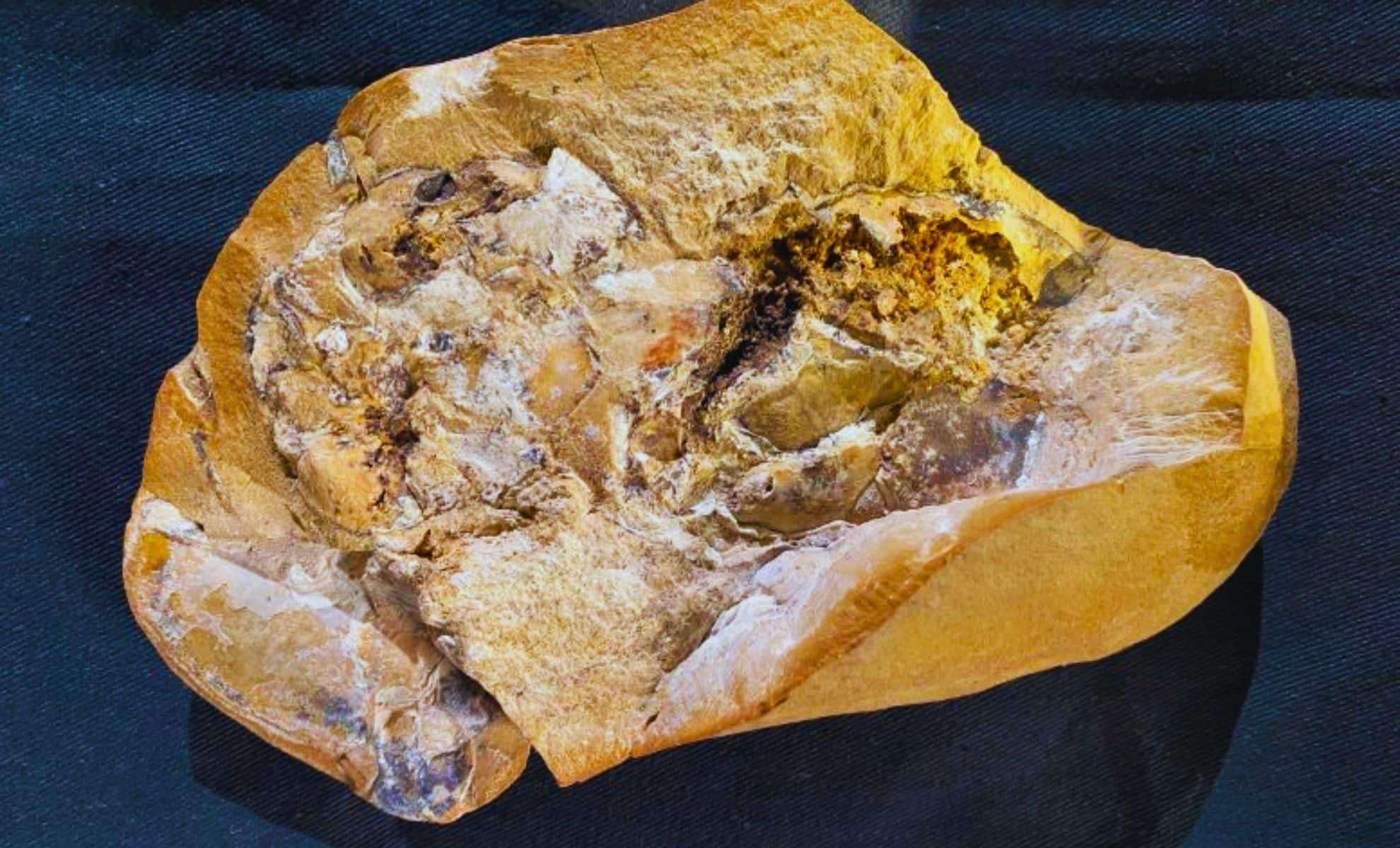
Researchers have uncovered an astonishing find within a 380-million-year-old fish fossil: an intact heart preserved in three dimensions. This revelation, detailed in Science, originates from the Gogo Formation in Western Australia, a renowned site famous for exceptional fossil preservation. What sets this specimen apart is the complexity of an internal organ captured in remarkable detail.
Fossil Retains Remarkably Preserved Soft Anatomy
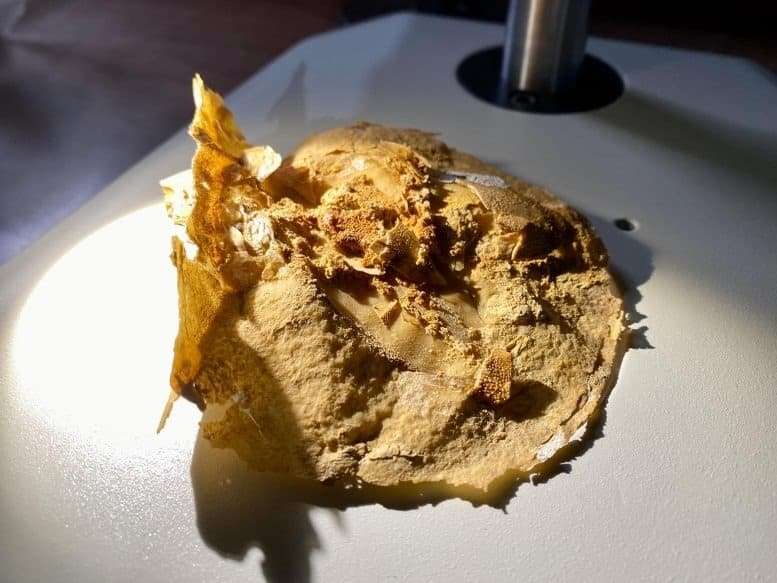
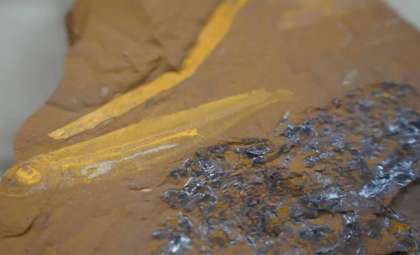
The fossil represents an ancient group of armored fish known as placoderms, among the earliest vertebrates with jaws. Typically, fossil records consist solely of hardened bones, but in this case, delicate soft tissues—including the stomach, intestines, liver, and most notably, the heart—were mineralized so precisely that scientists could create detailed digital reconstructions, revealing their original form.
Professor Kate Trinajstic of Curtin University, lead author of the study, shared her excitement: “After over two decades studying fossils, discovering a fully three-dimensional, exquisitely preserved heart from a 380-million-year-old ancestor was incredible.” She further noted, “While evolution is often viewed as gradual, findings like these ancient fossils imply a more pronounced transition between jawless and jawed vertebrates.”

A Heart Structure Sharing Features with Modern Sharks
Detailed examination revealed the heart’s form was not primitive but comprised two chambers arranged in an S-shaped configuration, closely resembling the hearts of modern sharks. This structural design would have enabled more effective blood circulation, demonstrating that advanced cardiovascular systems emerged far earlier in vertebrate evolution than previously assumed.
Professor Trinajstic emphasized, “This is the first time all the organs have been visualized together in a primitive jawed fish, highlighting striking similarities to our own anatomy.”
Cutting-Edge Techniques Reveal Ancient Biology
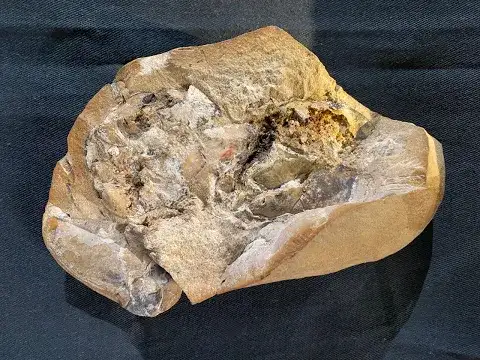
Scientists employed advanced methods such as neutron beam imaging and synchrotron X-ray scanning to peer inside the fossil without damaging it. These technologies uncovered the heart’s location beneath the gills, precisely where it remains in sharks today. This breakthrough ushers in a new chapter in paleontology, allowing researchers to explore the soft anatomy of long-extinct creatures in unprecedented detail.
This remarkable find underscores the evolutionary significance of placoderms as a transitional group bridging jawless fish and modern vertebrates. Alongside jaws and paired fins, they possessed intricately developed internal organs. “These fossils provide the earliest evidence of complex digestive organs and reveal the first ever complete 3D heart preserved in an animal of such antiquity,” explained Trinajstic.
- Categories:
- News










0 comments
Sign in to Comment