
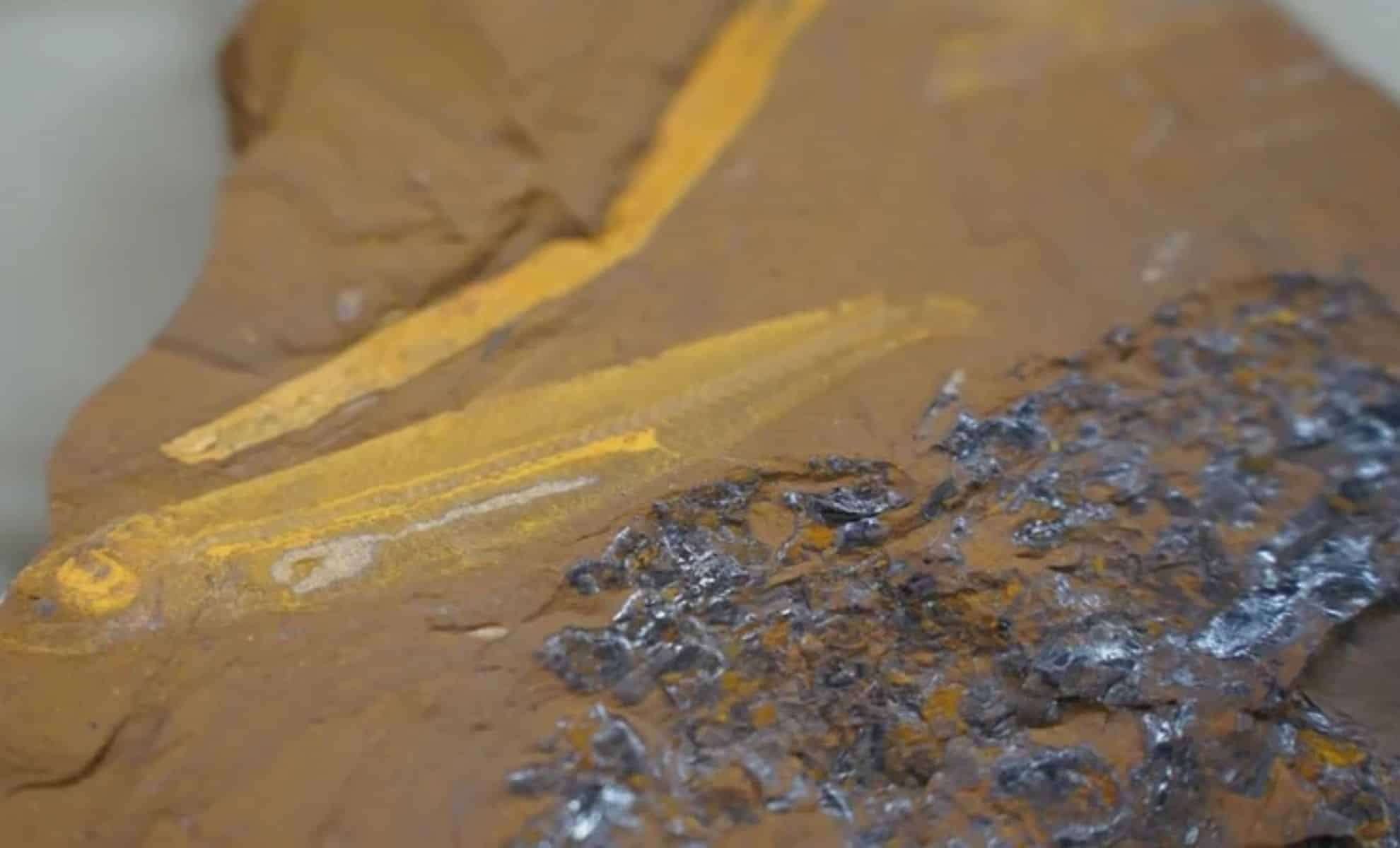
Researchers in Australia have made an extraordinary find: a 15-million-year-old freshwater fish fossil that opens a new window into the environmental and biological conditions of the past. This remarkable specimen was discovered by a collaborative team from the Australian National Museum and UNSW Sydney, at McGraths Flat in New South Wales—an acclaimed site renowned for its exceptional fossil preservation.
Identified as a new species and named Ferruaspisbrocksi, the fossil offers an unprecedented glimpse into the anatomy and habitat of ancient freshwater fish. It stands as a crucial piece of evidence for understanding the biodiversity of Australia’s prehistoric aquatic ecosystems.
A Tribute in the Name
Ferruaspisbrocksi belongs to the Osmeriforms order, which today includes species like the Australian Smelt and Australian Grayling. This fossil is the first of its kind ever found in Australia, marking a significant milestone for paleontology in the region. Lead researcher Dr. Matthew McCurry described this find as an “unprecedented opportunity” to study how freshwater fish evolved in Australian environments.

The preservation is so extraordinary that even the fossilized stomach contents are intact, revealing a diet primarily composed of tiny midge larvae along with other small invertebrates. Additionally, the fossil captures the presence of a parasite on the fish’s tail, offering detailed insight rarely seen in fossils of this age and adding to the understanding of its lifestyle.
Insights Into Ancient Rainforest Habitats
Dated between 11 and 16 million years ago, the fossil hails from a time when McGraths Flat was enveloped by a vast temperate rainforest. This ecosystem was rich in life and biodiversity, and the discovery illustrates how the ancient environment functioned. Dr. McCurry noted that this species was part of an intricate ecological network existing in Australia’s lush prehistoric rainforests.
Professor Jochen Brocks, whose name the species honors, expressed his enthusiasm for the find. “It’s an honor to have this world-first discovery bear my name,” he stated. “It paves the way for further research into the evolutionary pathways of Australia’s freshwater fish and the complex ecosystems they inhabited.”
Revealing Evolutionary Milestones
The Ferruaspisbrocksi fossil extends beyond representing a single species; it is pivotal in uncovering the broader evolutionary narrative of freshwater fish in Australia. Though modern Osmeriforms species are well-known today, this fossil helps bridge important gaps in the record of when and how these fish developed and adapted.
This remarkable specimen may resolve enduring questions concerning the evolutionary origins and adaptations of these fish, shedding light on the ancient environmental factors influencing their development. The detailed anatomical and ecological preservation makes this discovery a priceless resource for understanding both the species itself and the ancient world it inhabited.
- Categories:
- News






0 comments
Sign in to Comment