
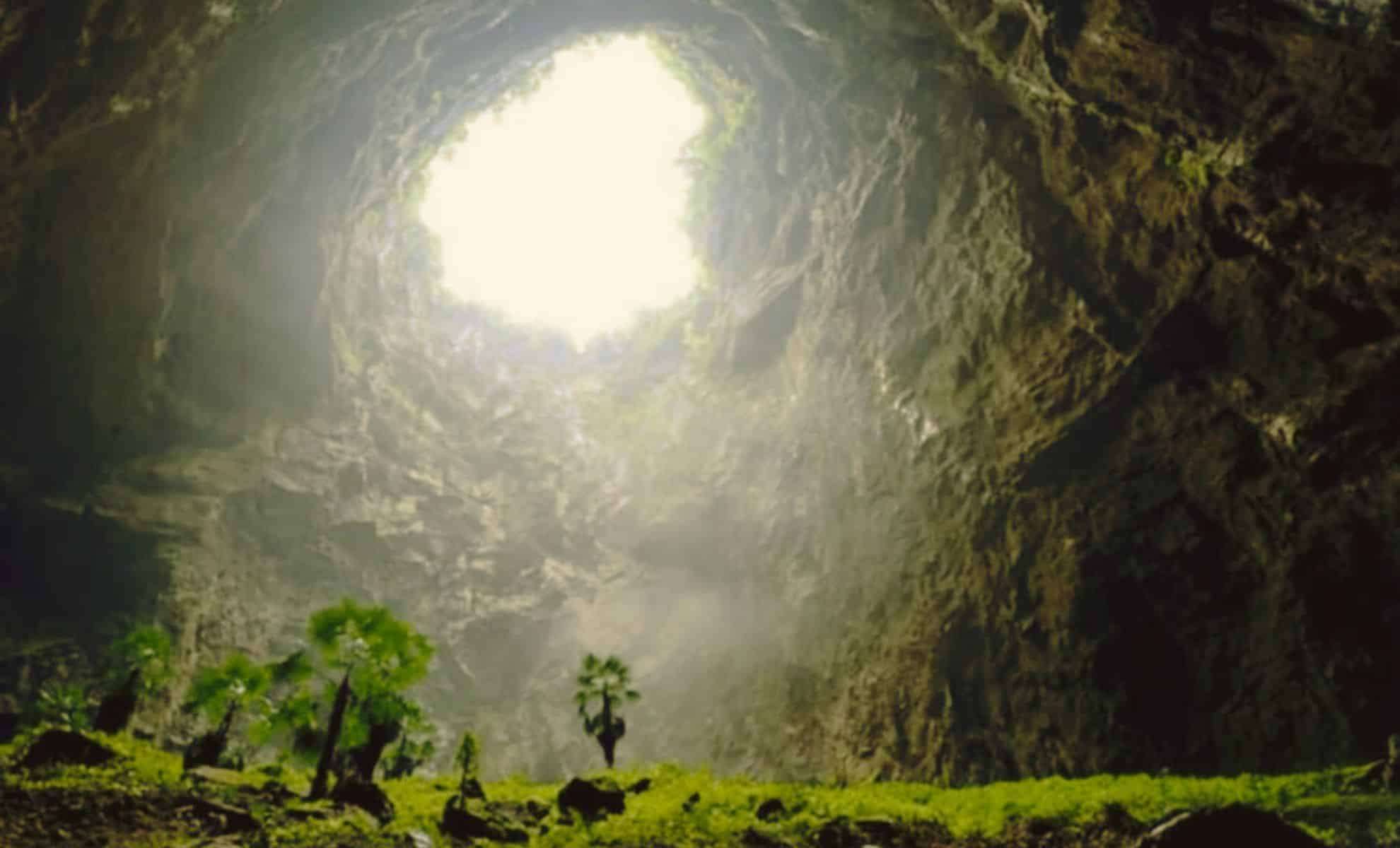
Enormous sinkholes recently uncovered in China, referred to as tiankeng, are exposing untouched ecosystems that have remained largely isolated from human interference.
These deep natural pits, reaching depths of over 300 meters, harbor ancient forests and plant life specially adapted to survive in the dim and challenging conditions at their base.
Tiankeng: Stunning Geological Features and Ecological Sanctuaries
Tiankeng, meaning "heavenly pits," are located predominantly in China's southwestern karst regions such as Guangxi and Hubei. These spectacular sinkholes form when the ceiling of vast underground caves collapses, creating giant open craters. The soluble limestone karst landscape in these areas contributes to the formation of distinctive geological phenomena, including caves, subterranean rivers, and massive sinkholes.


Beyond their geological grandeur, these enormous pits serve as ecological refuges where ancient forests flourish. The tiankeng’s isolation and unique microenvironment foster species that are seldom found elsewhere.
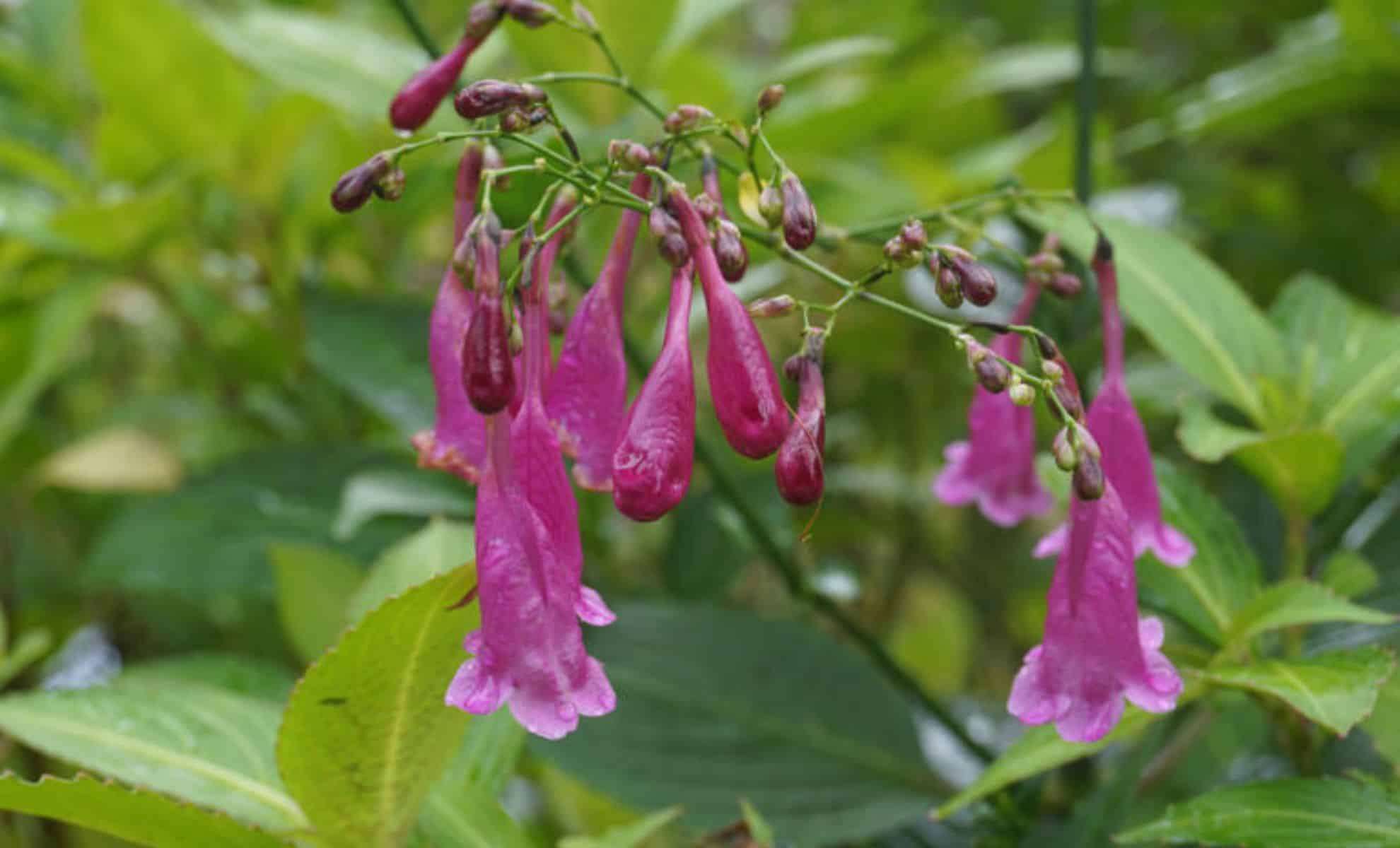
A scientist involved in the research commented, “The view beneath was breathtaking: an untouched subterranean forest with no signs of human presence, towering 40-meter-old trees, and a collection of endangered wild plants dating back to the dinosaur era.” Plant species include modern karst-dwelling flora like the Nepali hog plum (Choerospondias axillaris) and the Chinese rain bell (Strobilanthes cusia). The keenness of the pit’s depth and steep walls helps shield these ecosystems from human impact, preserving them in a near-pristine state.
Specialized Traits of Tiankeng Vegetation
The latest research highlights the unique ways plants thriving inside these sinkholes adapt to the limited sunlight available. Thanks to rich supplies of crucial nutrients such as nitrogen, phosphorus, potassium, calcium, and magnesium, these plants have evolved mechanisms to enhance nutrient absorption, enabling tall growth and efficient use of scarce light.
Researchers observed, “Plants can modify their nutrient composition to withstand challenging environments.” The study found that sinkhole plants have reduced carbon content relative to surface plants, likely due to the humid and moist conditions inside the pits, which decrease water stress and allow for different resource allocation. Elevated soil nutrient levels, especially those commonly limiting in other settings, support vigorous growth and high biomass in tiankeng flora.
Ecological and Conservation Significance of Tiankeng
The tiankeng are critical not only as habitats for rare plant communities but also as potential reservoirs of undiscovered species. Their seclusion and distinctive environment make these pits centers of biodiversity, including many rare and endemic organisms.
According to the research team, “Given the steep cliffs and sheer terrain of the tiankeng, these ecosystems have experienced minimal human disturbance.” This underscores their importance as protected areas, offering a sanctuary for species at risk of extinction.
Furthermore, tiankeng ecosystems provide valuable perspectives on how life can adjust to remote and extreme habitats. Studying these natural laboratories enhances our grasp of ecological resilience and adaptation amid environmental changes.
Ongoing Studies and Protection Initiatives
The growing attention on these formations highlights the urgent need to safeguard them. The fragile tiankeng habitats are susceptible to environmental shifts, including those driven by climate change and human encroachment. Conservation efforts are crucial to maintain these natural treasures and their resident species.
Future investigations aim to catalog the full extent of tiankeng biodiversity, spanning both plant and microbial communities. Deciphering the genetic and ecological adaptations enabling survival in these exceptional conditions will be a primary goal. As one expert noted, “There is strong potential for discovering new species within these environments.” Such findings advance our understanding of nature and emphasize the role of conservation in protecting these extraordinary ecosystems.












0 comments
Sign in to Comment