
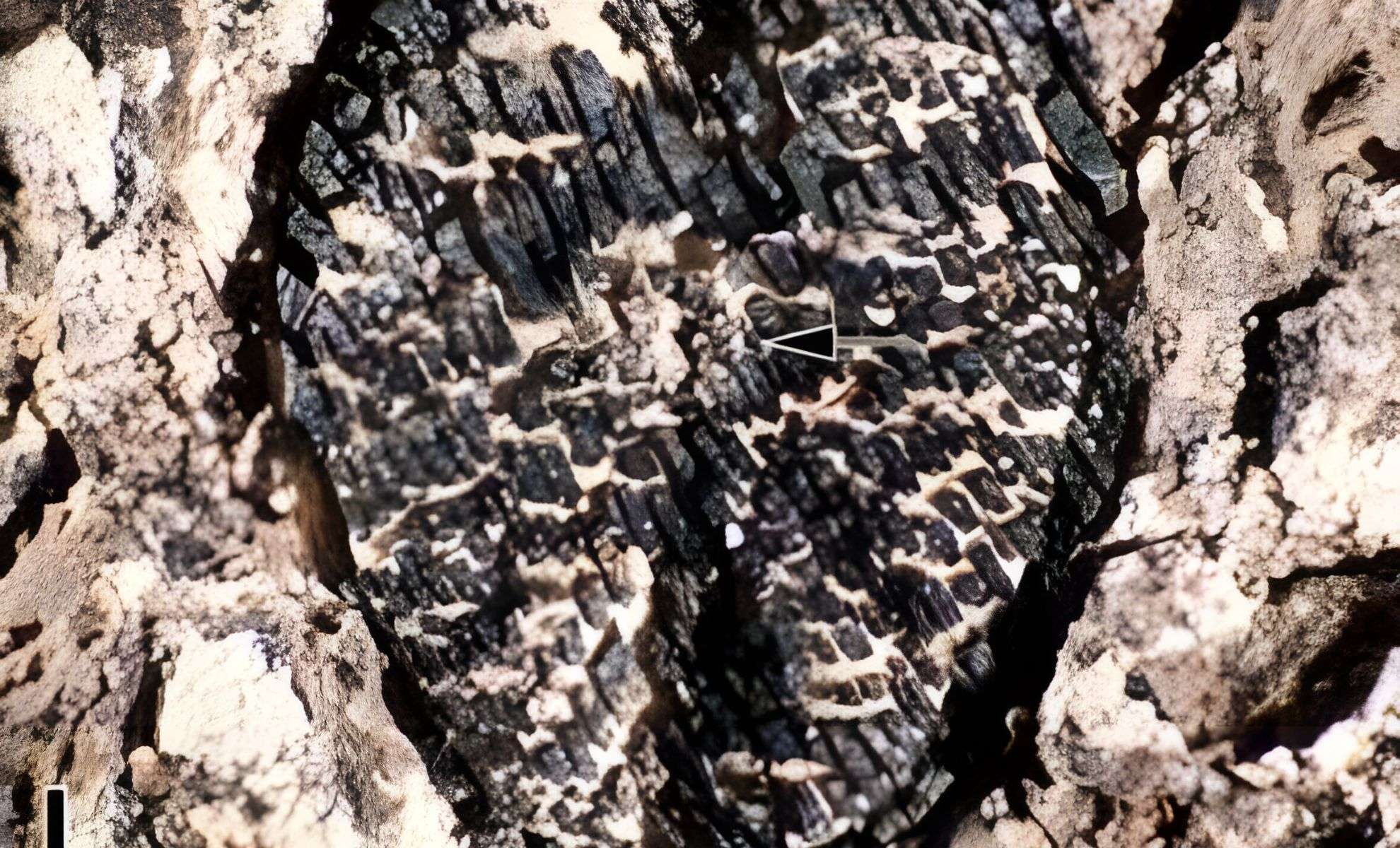
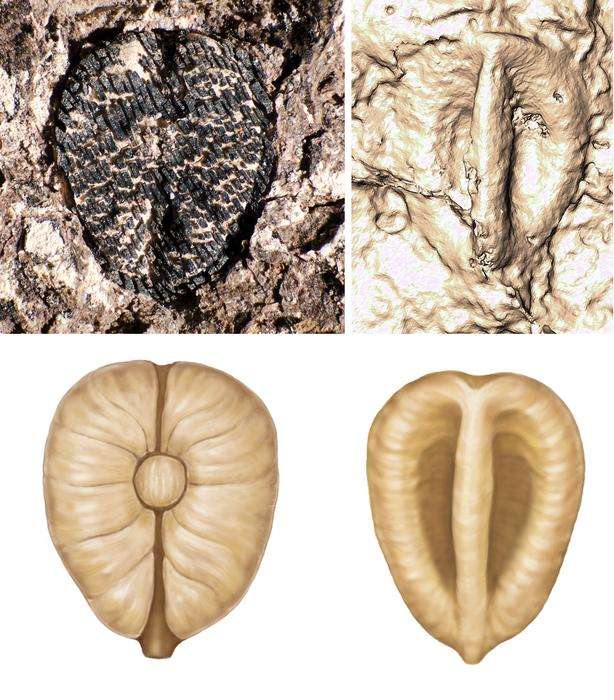
A minute grape seed fossil recovered from Colombia's Andes is changing how scientists view the evolutionary history of grapevines. Dating back roughly 60 million years, this discovery marks the earliest recorded grape seed in the Western Hemisphere, linking the plant's emergence to the massive extinction event that eliminated dinosaurs.
Grapevines Thrive in Post-Dinosaur Landscapes
The fossil emerged during a 2022 field study led by paleobotanist Fabiany Herrera at Chicago's Field Museum along with colleague Mónica Carvalho. Carvalho instantly spotted the fossil’s importance upon noticing a small imprint in the rock. Herrera shared, “She turned to me and said, ‘Fabiany, that’s a grape!’ I was stunned— it was an incredible moment.”
Identified as Lithouva susmanii, this species appears in the fossil record just a few million years following the mass extinction that ended the Cretaceous period about 66 million years ago. This timing prompts new insights into how forest ecosystems transformed without large herbivores like dinosaurs.

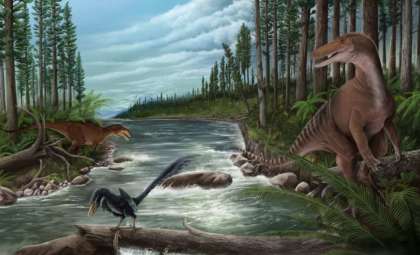
Herrera explained that the disappearance of these giant animals likely prompted a ‘‘forest reset,’’ altering plant community structures. This shift favored climbing plants such as grapevines, which flourished in dense, closed-canopy forests no longer disrupted by massive reptiles.
Uncovering the Worldwide Origins of Grapevines
This fossil supports mounting evidence that grapevines may have first emerged in modern-day South America before spreading worldwide. While older grape seed fossils—up to 70 million years old—have been found in India, the fossil record from the Neotropics has been relatively limited until now.
Alongside the Colombian specimen, Herrera’s group discovered eight additional ancient grape seeds from Panama and Peru. This evidence points towards a far richer and more complex early distribution of the Vitaceae family than previously understood.
Some fossil varieties seem distantly connected to Old World grape types, while others, like a 19-million-year-old Ampelocissus seed from Panama, show striking similarities to living species in the Caribbean and Mesoamerica. This suggests that certain grape groups might have evolved locally before dispersing across continents.
Ecological Changes Drive Plant Evolutionary Paths
The rise of grapevines after the dinosaur extinction exemplifies how ecosystems influence plant development through time. Carvalho remarked, “Large creatures such as dinosaurs profoundly shape their environments.” Without their presence, denser forests could develop, providing new habitats where vines could ascend and prosper.
Published in Nature Plants, these findings highlight the links between mass extinctions, climate changes, and plant evolution. If dinosaurs hadn’t cleared ancient forests, grape ancestors may not have found the niches necessary to evolve into the domesticated varieties cultivated by humans some 8,000 years ago.
- Categories:
- News


0 comments
Sign in to Comment