
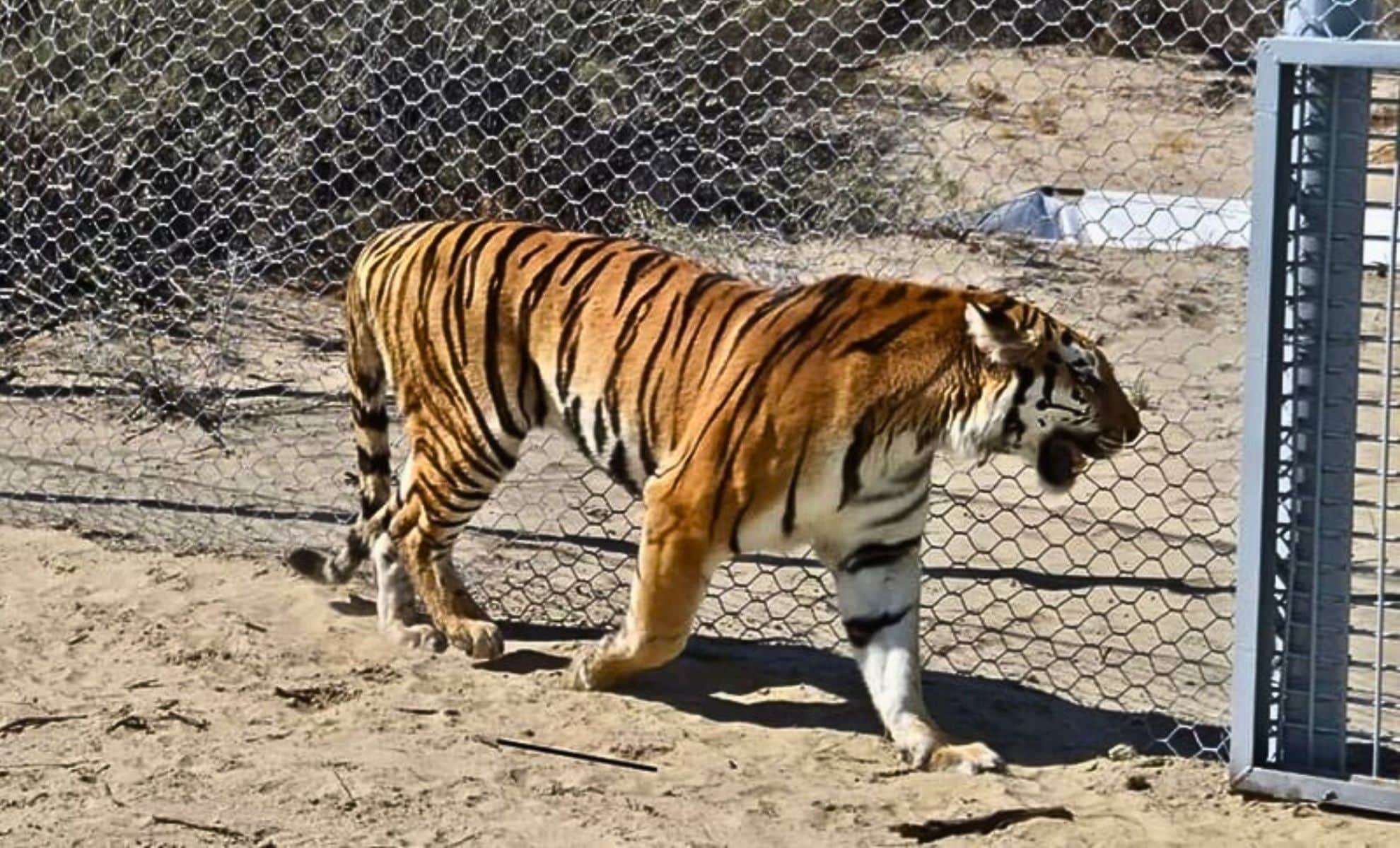
Kazakhstan is launching an innovative conservation effort to reintroduce tigers into the Ile-Balkhash area, restoring the presence of this majestic predator to lands from which it disappeared in the 1950s. The arrival of two Amur Tigers transported from a sanctuary in the Netherlands marks the start of a groundbreaking program aimed at rebalancing the local ecosystem and giving this emblematic species a fresh start.
Reviving a Legendary Predator
In the past, tigers inhabited a vast territory stretching from Turkey through Korea and from Siberia to Indonesia. Today, after losing more than 93% of their natural environment globally, these top predators survive in small, isolated groups. Kazakhstan’s initiative to restore the tiger population—focusing on the Amur tiger, a subspecies adapted to harsh weather—is part of a decade-long rewilding project supported by WWF and the United Nations Development Programme.
The first pair, Bodhana and Kuma, were selected due to their close resemblance to the extinct Caspian tigers. After adjusting to the semi-wild conditions of the reserve, they are expected to reproduce, potentially reestablishing a wild tiger lineage in the region for the first time in over seventy years.

Decades of Preparation for a Historic Revival
The plan to bring tigers back to Kazakhstan dates to 2010, culminating in the founding of the Ile-Balkhash State Nature Reserve in 2018. Considerable effort has gone into restoring the ecosystem, including reintroducing native prey species such as the endangered Bukhara deer and Kulan. Strengthened hunting protections have enabled prey populations to recover, creating the vital foundation needed to support tigers.

Having been transported across Europe by land and air, Bodhana and Kuma’s arrival is celebrated as a pioneering moment in conservation. “This marks the first instance of tigers crossing international borders for reintroduction into the wild,” stated Stuart Chapman, leader of the Tigers Alive Initiative. Prior to release, they received thorough training to develop hunting skills and adapt to their new surroundings.
Overcoming Challenges and Fostering Human-Tiger Harmony
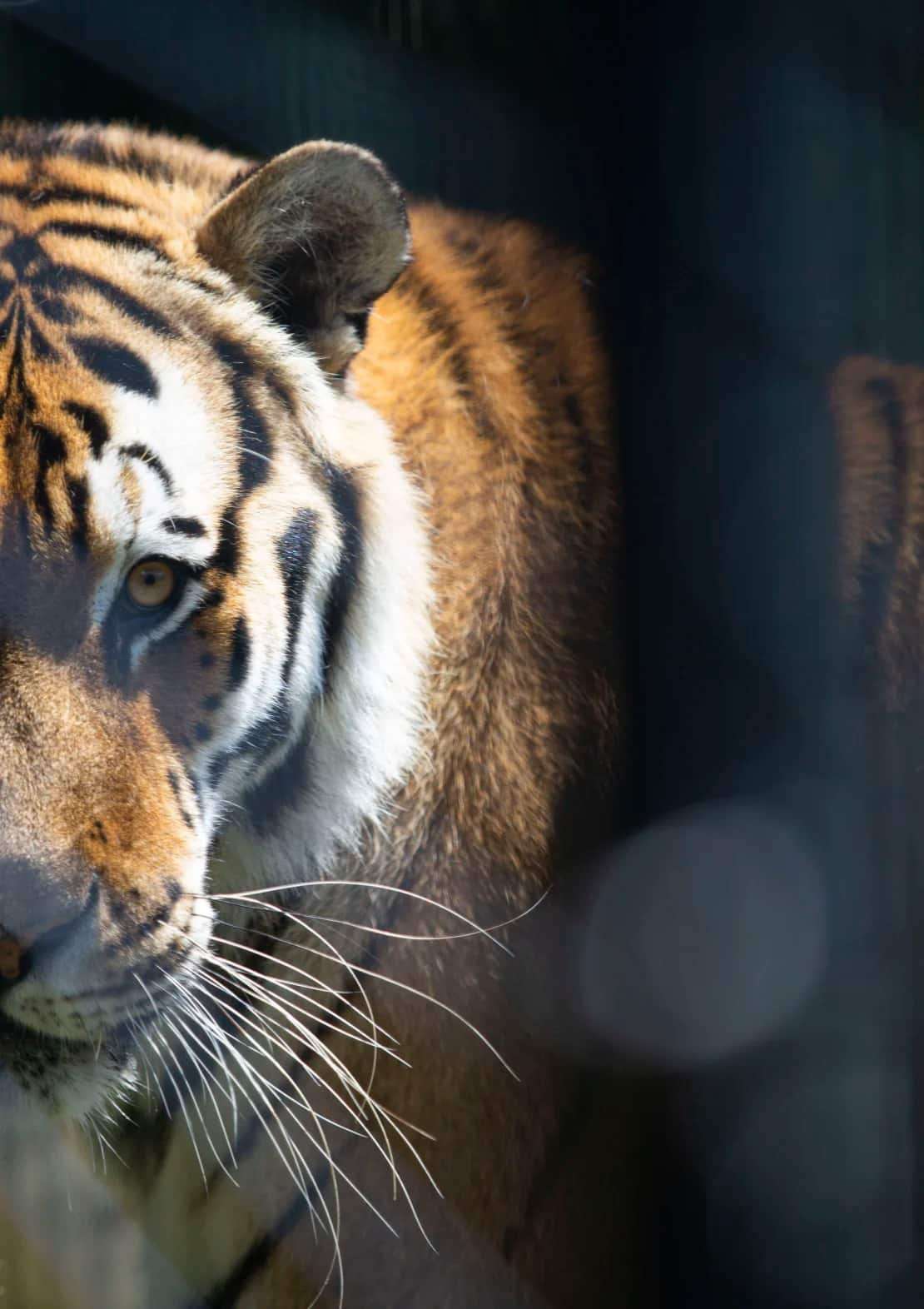
Kazakhstan aims to grow the tiger population to roughly 50 individuals by 2035, while preparing local communities to coexist peacefully with these predators. Approximately 6,000 residents in nearby villages are benefiting from awareness programs and early-warning systems designed to reduce human-wildlife tensions. GPS collars will track tiger movements, providing alerts if they approach human settlements.
Although global tiger numbers have seen recent increases, conservation outcomes remain varied. While nations like Nepal report progress, others such as Laos have experienced extinctions, and populations in Malaysia and Indonesia continue to decline. Habitat loss persists as a significant threat, making Kazakhstan’s ambitious rewilding project an inspiring example for similar efforts worldwide.
- Categories:
- News ,
- News ,
- Evolution ,
- Evolution











0 comments
Sign in to Comment