
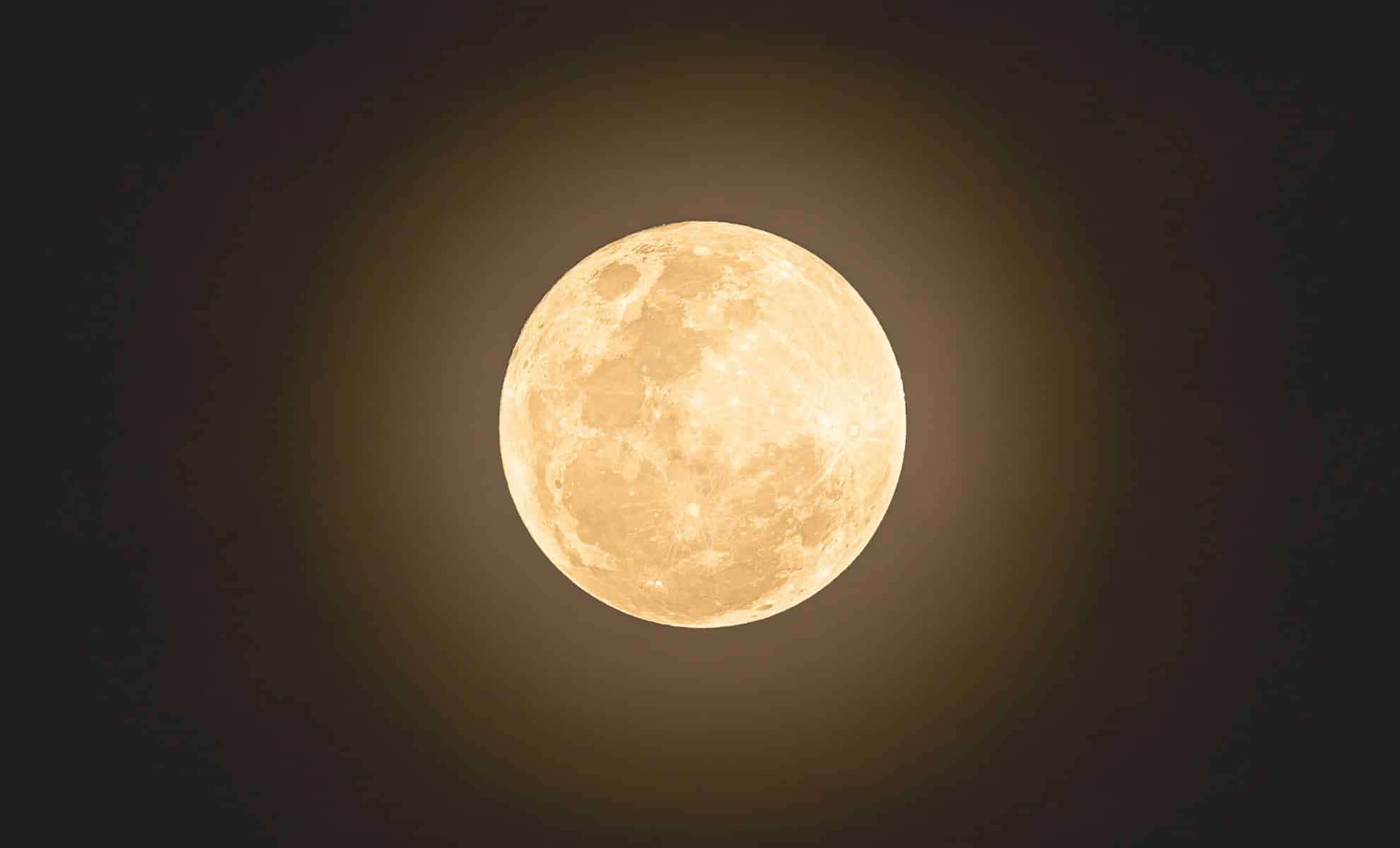
Sky enthusiasts have an extraordinary event approaching—the first major lunar standstill in more than 18 years is about to illuminate our skies.
This rare celestial occurrence happens when the moon reaches its most extreme positions along the horizon, both farthest north and south, marking the peak and lowest points in its 18.6-year cycle. The previous major lunar standstill took place in 2006, making this an exceptional occasion for those fascinated by astronomy.
What Is a Major Lunar Standstill?
A major lunar standstill, sometimes called a lunistice, arises when the tilt of the Earth and the moon’s orbit align to produce maximum deviation. At this time, the moon appears to rise at its highest northeasterly position and set at its farthest northwesterly point.

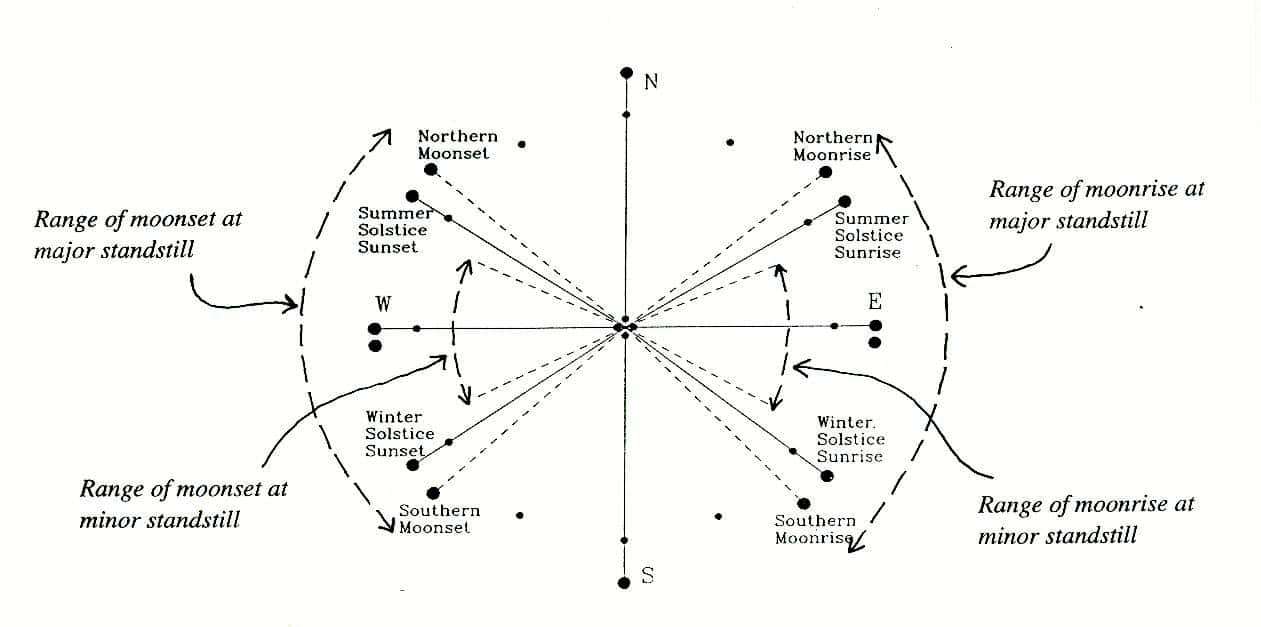
On the flip side, the moon also rises at its lowest southeasterly and sets at its farthest southwesterly points. This pronounced swing happens because the moon’s orbital plane is tilted roughly 5.1 degrees relative to Earth’s orbital path around the sun (the ecliptic). Each month, this tilt allows the moon to wander nearly 57 degrees across the horizon, a much wider range than the sun's annual 47-degree shift caused by Earth’s 23.4-degree axial tilt.
Cultural and Historical Insights
The significance of major lunar standstills dates back centuries, with ancient monuments such as Stonehenge, Callanish, and Newgrange precisely aligned with the moon’s extreme rise and set points during these cycles.
These alignments indicate that early societies tracked and revered these lunar cycles, highlighting their importance in ancient astronomy and spiritual rituals.
The careful positioning of these ancient sites reveals a deep understanding of lunar movements, blending scientific observation with cultural and religious traditions.
When and How to View the Event
The forthcoming major lunar standstill will peak near the equinoxes, around September 2024 and March 2025. Your viewing experience will depend on moon phase, local conditions, and weather. The clearest views often occur around full moons, which showcase the lunar standstill’s most impressive features. Key upcoming full moon dates include:
- June 21, 2024
- July 21, 2024
- August 19, 2024
- September 17, 2024
- October 17, 2024
- November 15, 2024
- December 15, 2024
- January 13, 2025
- February 12, 2025
- March 14, 2025
- April 12, 2025
- May 12, 2025
- June 11, 2025
- July 10, 2025
- August 9, 2025
- September 7, 2025
- October 6, 2025
- November 4, 2025
- December 4, 2025
Ideal viewing moments are when the moon rises as the sun sets, or the sun rises as the moon sets, especially around these full moons. While binoculars or telescopes can heighten the experience, viewing the phenomenon with the naked eye is also rewarding.
Throughout the standstill period, the moon’s trajectory will markedly differ from its usual path, ascending higher and lingering longer in the sky at its most northeasterly rising point in the Northern Hemisphere. Watching the moon’s shifting rise and set locations over several nights offers a fascinating glimpse into this infrequent lunar event.
Maximizing Your Viewing Experience
For the best sightings of the major lunar standstill, select spots with unobstructed horizon views, preferably away from bright city lights. Elevated terrains or coastlines offer the clearest outlooks. Be sure to check the weather forecast to pick clear nights, and keep a lunar calendar handy for tracking phases and timing your observations.
Photography buffs can capture dramatic long-exposure shots that show the moon’s unique arc during the standstill. Sharing these photographs online can help generate excitement and awareness around this rare astronomical spectacle.
- Categories:
- Astronomy ,
- News ,
- Space ,
- Physics






0 comments
Sign in to Comment