
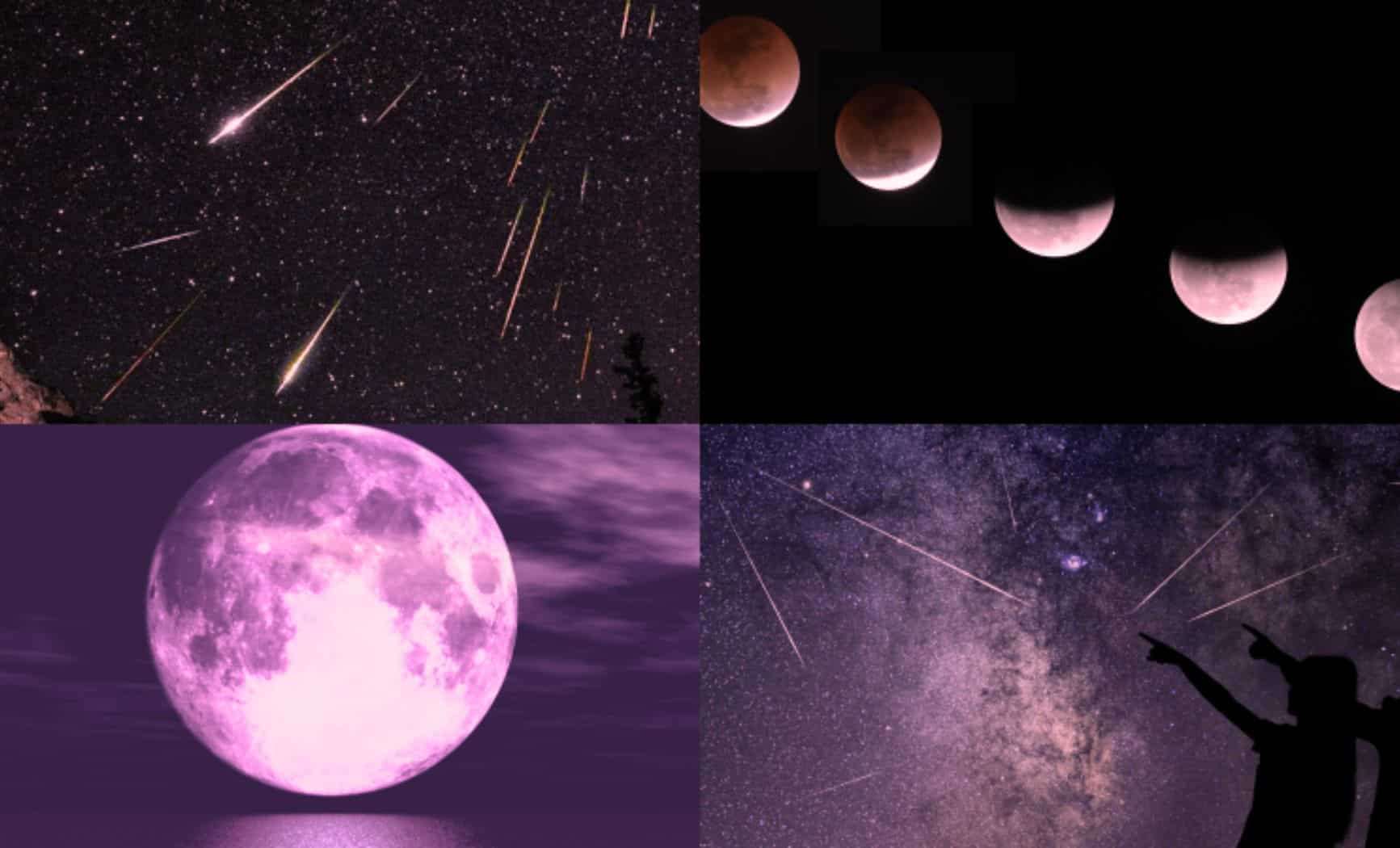
June presents an exciting array of astronomical events perfect for both casual sky watchers and avid astronomers.
Although northern hemisphere nights are short, the crisp skies provide ideal conditions to observe some truly remarkable celestial displays.
This month brings a striking crescent moon, a notable red giant star, shimmering noctilucent clouds, and various other wonders. No matter your level of expertise, June's heavens offer captivating sights to enjoy.

Awaiting a Nova: The Binary System T Coronae Borealis
Scientists are closely monitoring the binary star system T Coronae Borealis (T CrB), which is predicted to undergo a nova explosion sometime before September. This event happens when a white dwarf gathers enough material from its companion star, leading to a thermonuclear outburst that dramatically brightens its appearance.
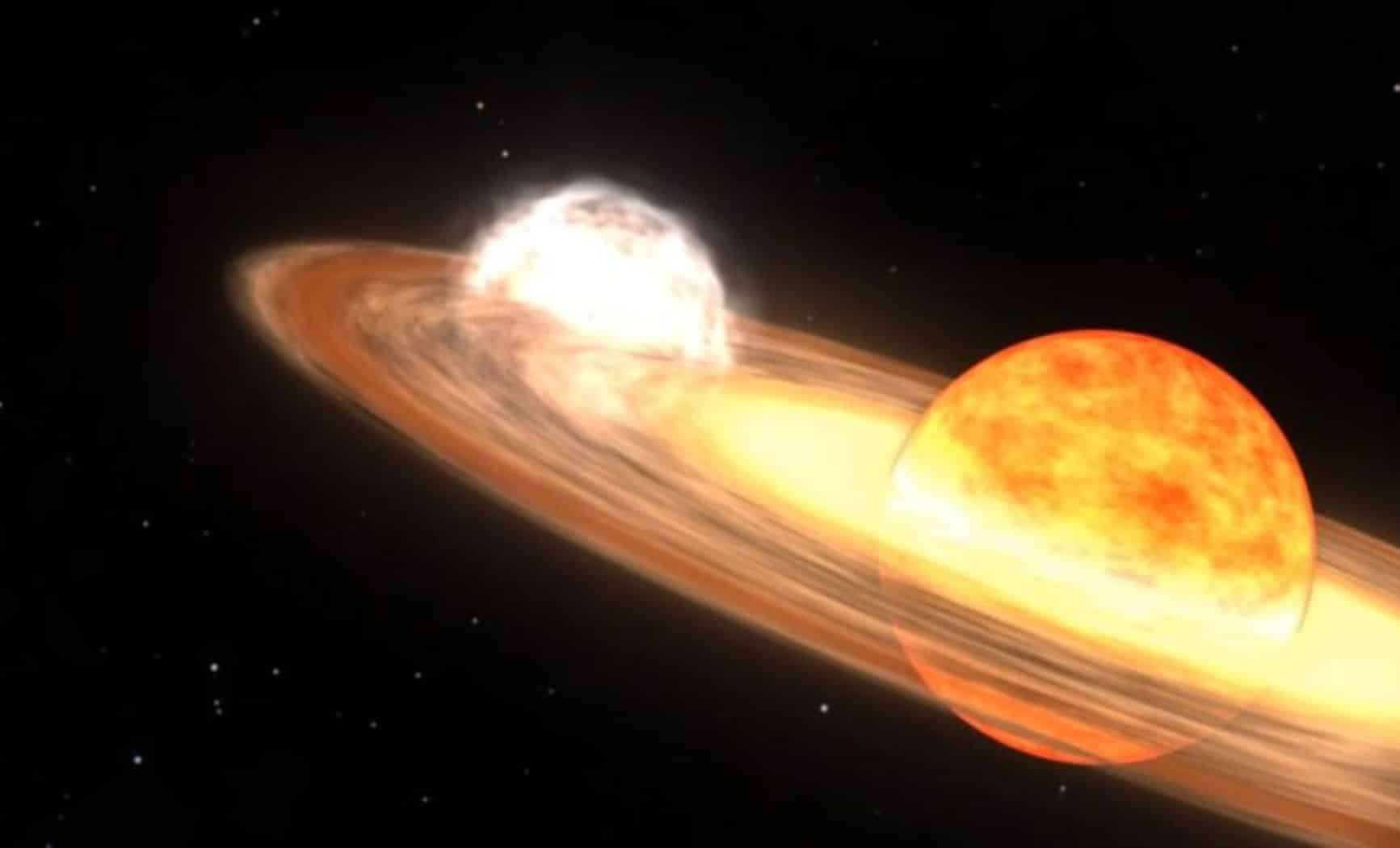
The last explosion was recorded in 1946, and the forthcoming nova is highly anticipated within the scientific community. When it occurs, a new bright star will emerge in the Corona Borealis constellation, offering one of the standout astronomical events of the year. Sky enthusiasts should keep an eye on Corona Borealis to catch the sudden appearance of this nova.
The Strawberry Moon: June’s First Full Moon
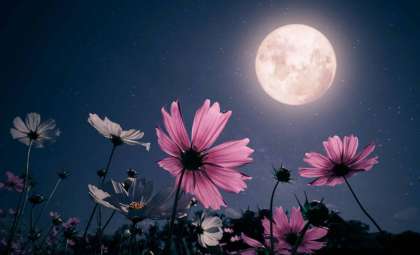
On June 21, the full Strawberry Moon will grace the sky as the initial full moon of summer. Named after the season when Native American tribes harvested strawberries, it will peak at just after 9 p.m. ET, creating a memorable spectacle in the eastern horizon.
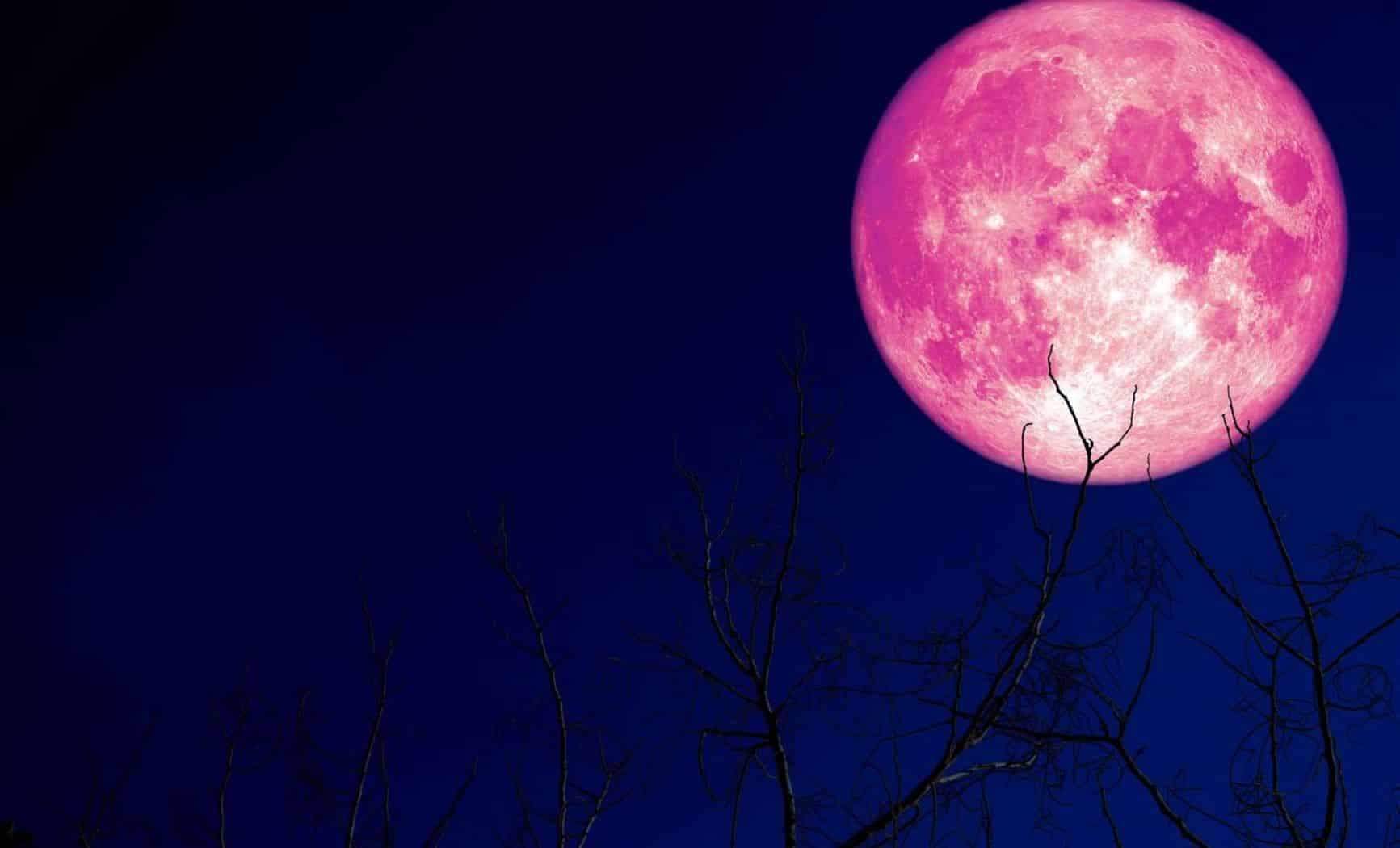
Despite its name, the Strawberry Moon doesn’t actually display a red hue but shines brightly like any full moon. This year, it coincides closely with the summer solstice, a rare occurrence last seen in 1985 and not expected again for another 18 years.
This extraordinary astronomical event is ideal for photographers and moon admirers to capture and enjoy with loved ones. It’s also known by names like the “Hot Moon” and “Planting Moon,” reflecting its cultural and agricultural importance.
Celebrating the Solstice: Midsummer Night's Events
The summer solstice on June 20 marks the longest day in the northern hemisphere and the official start of the astrological season. Occurring when Earth’s northern tilt faces the sun most directly, the sun reaches its highest altitude at 15:51 EDT.

Midsummer Night’s Eve celebrations allow viewers to witness the sun setting at its furthest northwest point and rising at its most northeastern position. Rich in history and culture, these moments inspire festivities and reflection across many traditions.
From bonfires to traditional ceremonies, people honor the sun’s power and the arrival of summer, embracing the prolonged daylight and the natural cycle of seasons.
Planetary Gathering: A Stunning Conjunction
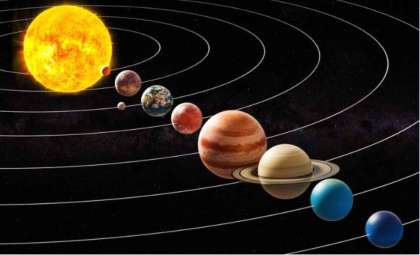
June presents an extraordinary planets’ parade, where on June 3, Jupiter, Mercury, Uranus, Mars, Neptune, and Saturn will line up in the northern hemisphere’s morning sky. This rare conjunction offers viewers a chance to see multiple planets clustered close together.
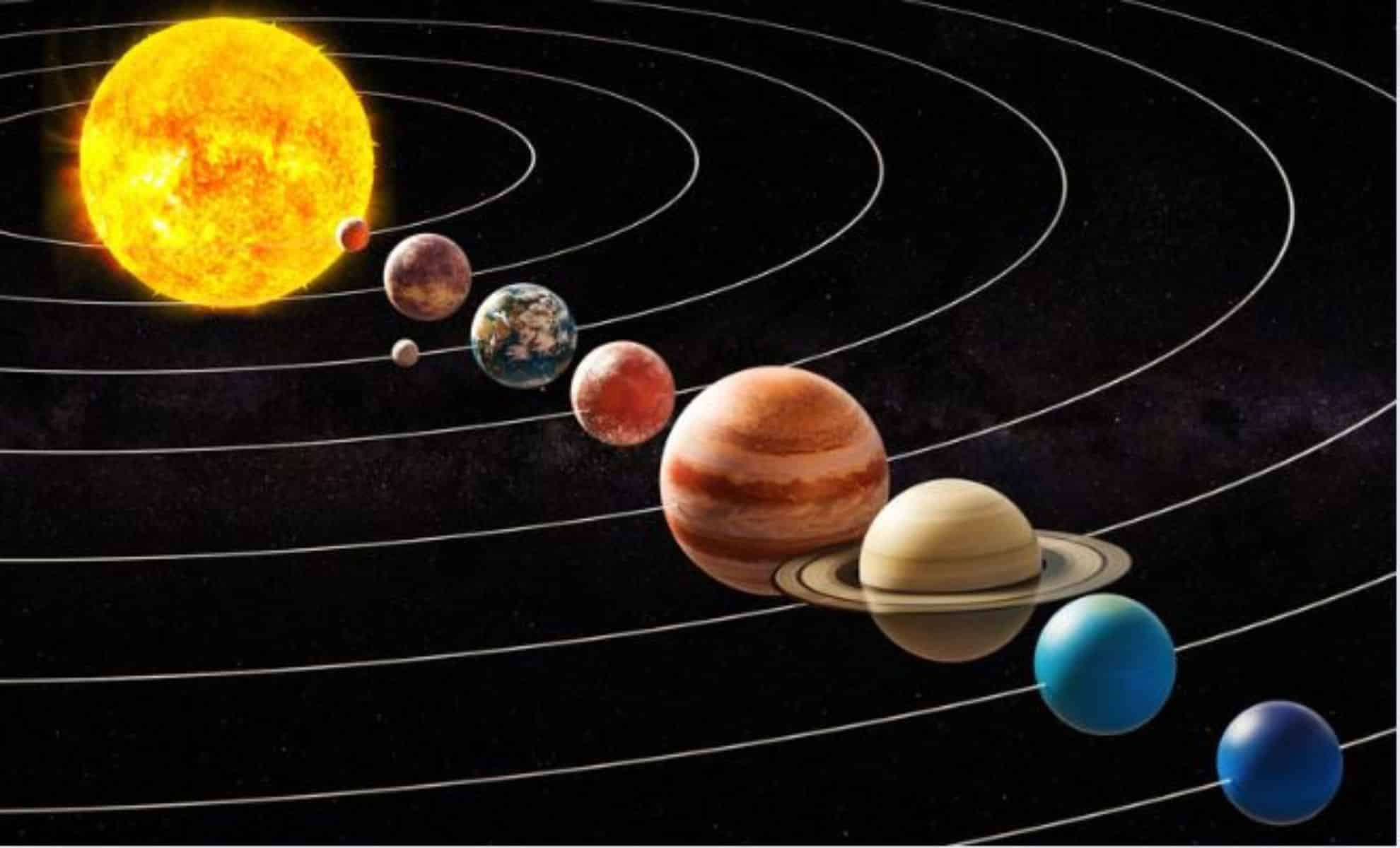
Although spotting all six planets without optical aid might be difficult, visiting an observatory or joining guided star parties can significantly enhance the experience. The alignment begins just before dawn, rewarding early risers with the best view. Telescopes and binoculars are recommended for clearer identification since some planets might be faint to the naked eye.
If you miss this early June event, you’ll get another chance on June 29, when the Moon, Mars, Jupiter, and Saturn will appear together in the pre-dawn sky. This grouping is a perfect occasion to appreciate the dynamic motions and relative positions of our solar system’s planets during a single viewing experience, adding another remarkable astronomical event to the month’s calendar.
- Categories:
- Astronomy ,
- News ,
- Space









0 comments
Sign in to Comment