
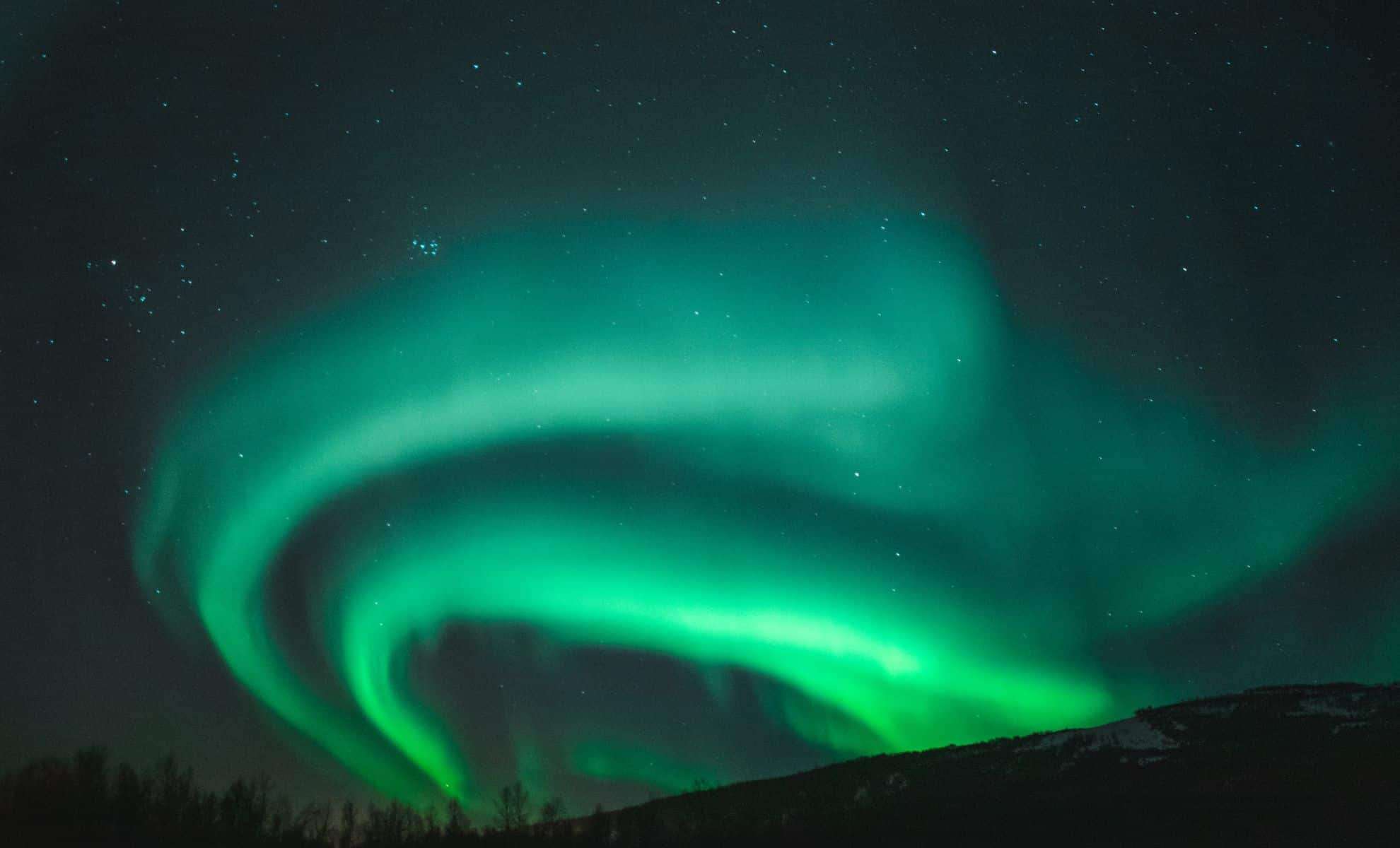
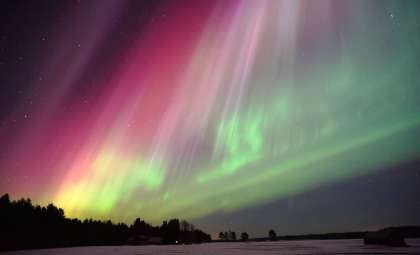
The northern lights, or Aurora Borealis, are expected to illuminate the night skies once more in early June. This dazzling natural display, featuring swirling hues of green, pink, and purple, results from solar storms interacting with Earth's magnetic field.
Rising Solar Activity Enhances Auroral Displays
The appearance of the Aurora Borealis closely follows solar activity cycles. The sun is approaching its solar maximum—the peak of its approximately 11-year cycle—bringing more frequent and powerful solar storms. These storms send charged particles toward Earth that spark the vivid aurora shows.
Solar storms, which release bursts of charged particles, disturb Earth's magnetosphere when they arrive. These disturbances energize atmospheric gases, producing the shimmering lights seen during aurora events. This surge in solar activity not only delights skywatchers but highlights the dynamic influences of our star on the solar system.

Optimal Dates and Viewing Tips for Auroras
To catch the northern lights in their full glory, plan to observe between June 5 and 7. These nights forecast ideal conditions for aurora visibility. The best viewing spots are dark, clear areas far from city lights. The prime time for watching is around midnight, when the sky is darkest.
Effective aurora viewing requires some foresight and patience. Urban light pollution can obscure the spectacle, so heading to remote locations is advisable. Also, monitoring local weather forecasts to ensure cloudless skies is essential, as clouds can block the aurora's glow.
Understanding the Mechanism Behind the Glow
The auroras occur when solar wind particles collide with atmospheric atoms. These interactions excite the atoms, which then release light in various colors. Oxygen atoms create green and red glows, whereas nitrogen contributes blues and purples.
The event starts as a flow of charged particles—solar wind—streams from the sun's corona. Captured by Earth's magnetic field, these particles funnel toward the polar regions. When they penetrate the atmosphere, collisions with gas atoms produce the radiant auroras. Beyond their beauty, auroras provide valuable insights into the relationship between solar emissions and Earth's atmosphere.
Recent Events and Future Forecasts
Mid-May saw residents in Wisconsin witness a rare northern lights display, sparked by a powerful solar storm. This sign of intensified solar activity is a precursor to more frequent aurora occurrences as the solar maximum nears.
Experts anticipate multiple aurora viewing chances in the upcoming years owing to increased solar activity. However, forecasting precise solar storm events remains complex. These storms can disrupt satellite function, power supplies, and communications on Earth.
Increased solar activity also affects practical operations, such as flight planning—where radiation concerns may require route adjustments—and satellite protection measures. Advancing our ability to predict solar events is vital for safeguarding technology dependent on space weather conditions.
- Categories:
- News





0 comments
Sign in to Comment