
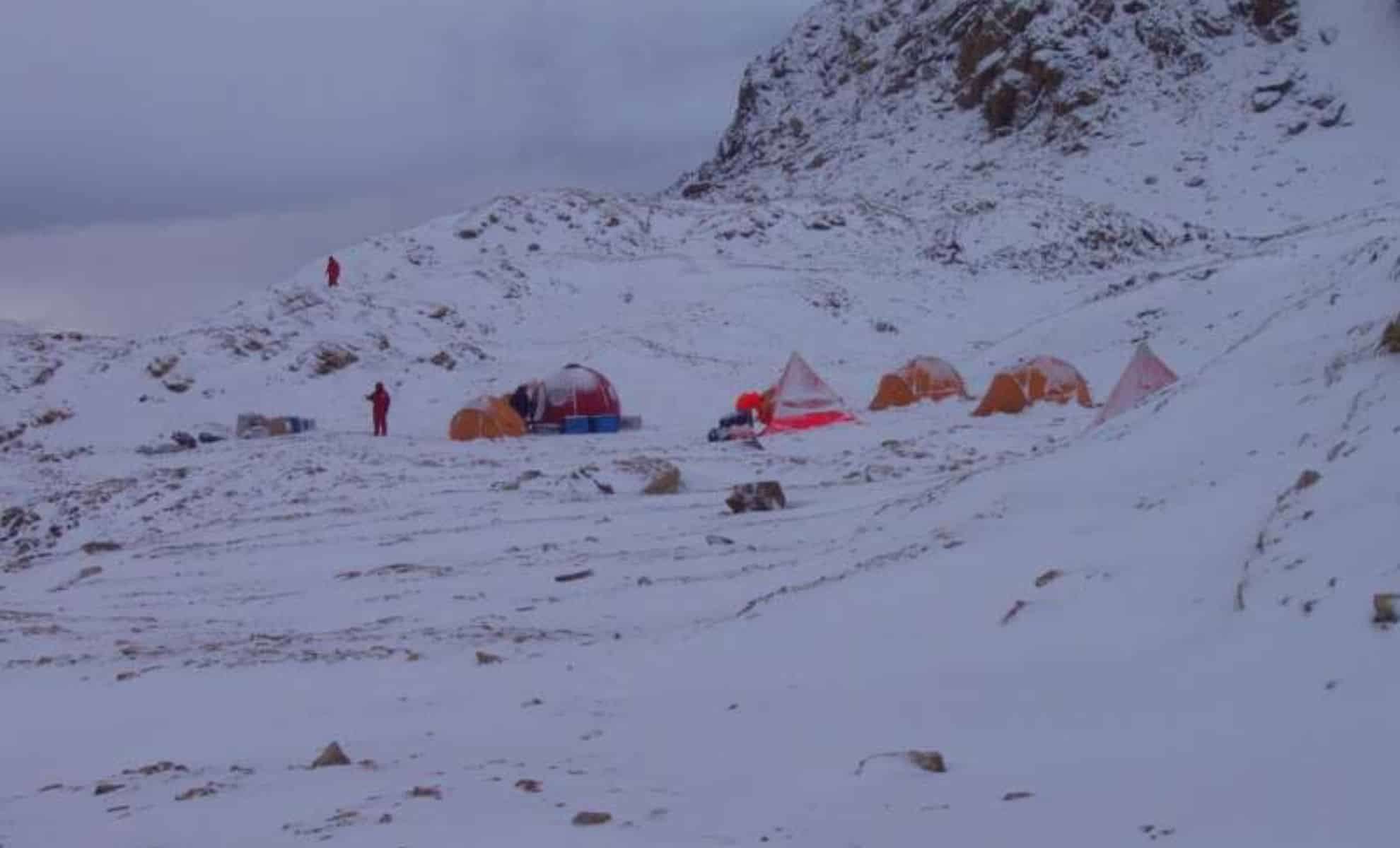
Researchers have unveiled an unexpectedly diverse microbial ecosystem thriving within some of the most extreme and barren soils on Earth, found in Antarctica. This breakthrough challenges previous beliefs about the boundaries of life under extreme conditions and uncovers intricate biological networks that enable survival amid cold, arid, and nutrient-deficient landscapes. The results, published recently in Frontiers in Microbiology, highlight how microbial communities adapt and endure in one of Earth’s most forbidding environments.
Unexpected Microbial Richness in Antarctica’s Harshest Soils
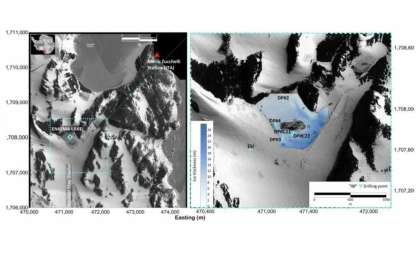
Led by Dr. Dirk Wagner of the GFZ Helmholtz Center for Geosciences and the University of Potsdam, the team gathered soil samples from near a melting glacier in East Antarctica’s Larsemann Hills. Employing sophisticated DNA barcoding techniques, they revealed a vast variety of microbial species, including many previously undetected. Dr. Wagner noted, “Our investigation exposes a remarkably abundant and complex microbial community in some of the coldest, driest, and most nutrient-scarce soils, suggesting that previous assessments have underestimated biodiversity in Antarctic soils.” This finding implies that earlier detection technologies may have significantly overlooked the extent of microbial diversity there.
Decoding Microbial Presence Using Advanced DNA Techniques
The study introduced a cutting-edge method to separate intracellular DNA (iDNA) from living cells and extracellular DNA (eDNA) from long-dead microbes preserved in the soil matrix. This distinction enabled the researchers to map both current microbial inhabitants and historical populations, revealing patterns of microbial succession and interaction. Wagner explained, “Differentiating intracellular iDNA from living microbes and extracellular eDNA from deceased species allowed us to recognize active colonizers and species that have vanished locally, helping us better understand the dynamic relationships between prokaryotic and eukaryotic microbes over time.” This approach provides a detailed picture of microbial responses to environmental shifts driven by glacier retreat.

Discovering Crucial Cooperative Microbial Relationships
The team identified new mutualistic partnerships between bacterial and eukaryotic microorganisms, highlighting nutrient-sharing associations, particularly between green algae and bacteria. Furthermore, fungi’s frequent co-occurrence with actinobacteria suggests a role for fungi in breaking down organic matter to provide carbon sources for bacterial neighbors. Wagner added, “We found novel interactions between bacteria and eukaryotes, such as green algae collaborating with bacteria in nutrient exchange, and observed the persistent presence of fungi alongside actinobacteria, indicating these fungi may support bacteria by decomposing organic material.” These interdependent microbial networks likely improve resource efficiency, supporting life in Antarctica’s severe environment.
Shifting Paradigms on Life Thriving in Extreme Conditions
This study underscores the critical role of microbial cooperation in maintaining biodiversity under extreme stresses. “Our findings suggest that tightly knit microbial communities enable survival in Antarctica’s harsh habitats by optimizing resource use,” Wagner summarized. These insights broaden our comprehension of Antarctic ecosystems and hint at the resilience mechanisms that might exist on other planets. The research advocates for a view of extreme environmental life as sustained through complex community interactions rather than isolated survival tactics.
- Categories:
- News






0 comments
Sign in to Comment