
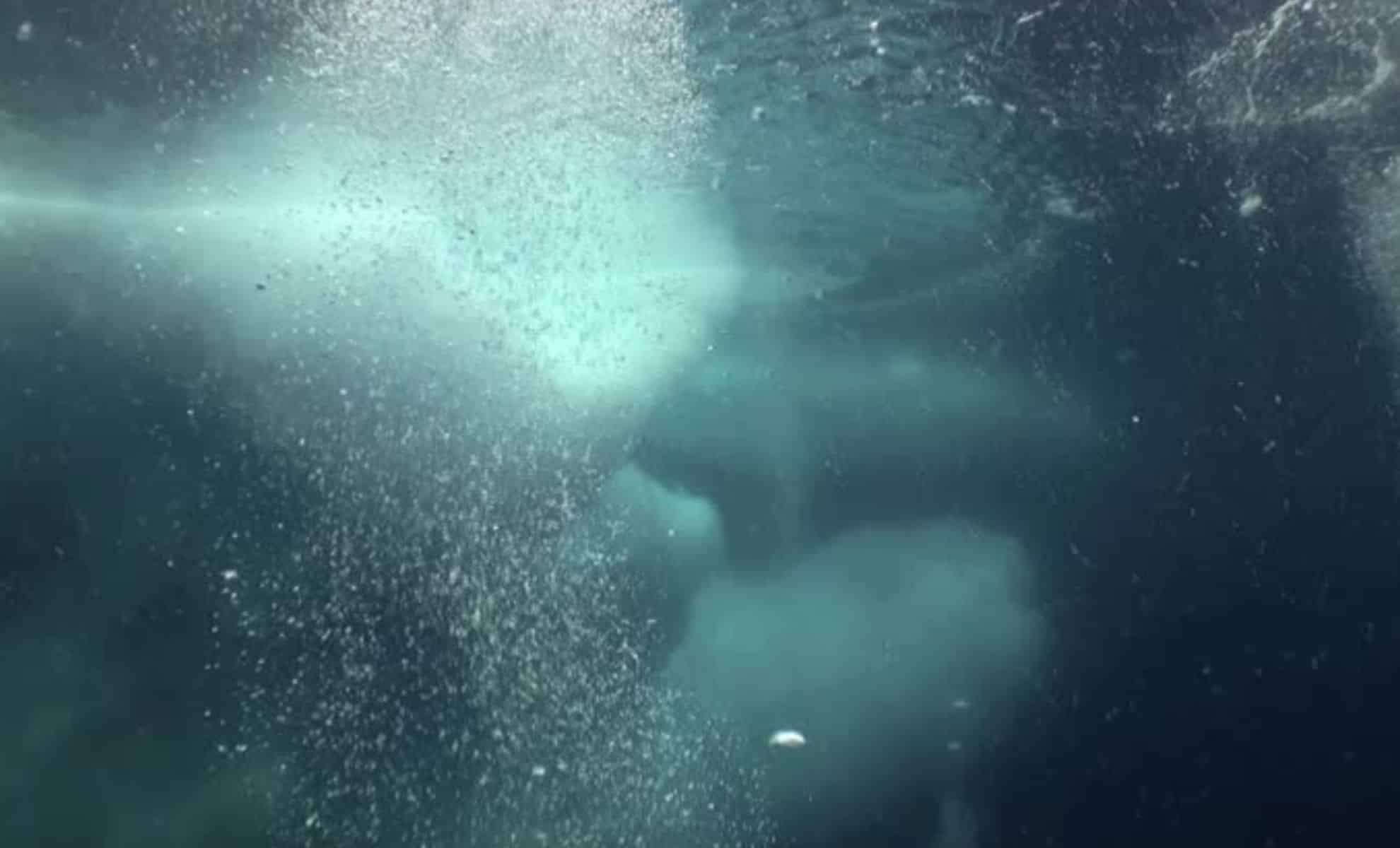
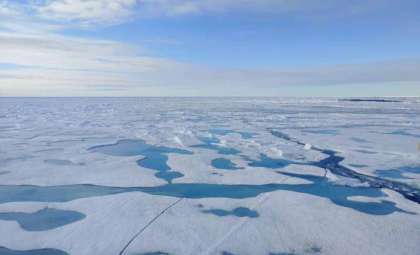
The Arctic Ocean is undergoing a major transformation as killer whales (orcas), previously kept at bay by extensive sea ice, are now forming permanent populations. The warming climate is melting ice barriers, granting these top predators year-round access to new hunting territories. This shift poses significant risks to the fragile Arctic ecosystem, threatening native species of whales and the Indigenous peoples who rely on them.
Year-Round Orcas Discovered in Arctic Waters
A groundbreaking investigation featured in Global Change Biology reports that orcas have moved beyond seasonal appearances and are now permanent residents of the Arctic. Scientists from the University of Manitoba identified two genetically unique orca groups living in the region, an unexpected finding for the research team.
Monitoring these orcas has proven difficult. Through genetic analysis of skin and fat samples, researchers established that these Arctic killer whales are so genetically distinct that they might not recognize one another as suitable mates. This discovery raises important questions about how these populations have adapted their feeding habits and survival strategies within the icy environment.

Orcas: A New Apex Predator in the Arctic Realm
The expansion of orcas into Arctic waters represents a major ecological shift. Previously, species like belugas, narwhals, and bowhead whales thrived under the protection of thick sea ice, which limited encounters with orcas. With ice retreating rapidly, these slower, larger Arctic whales have become prime prey.
Evolutionary geneticist Colin Garroway remarked, “Arctic whales are simply slow, well-fed, and easy targets,” underscoring their heightened vulnerability to orca predation. While Arctic whale populations remain sizable for now, the increase in orcas could gradually reduce their numbers as climate-driven changes persist.
If predation on Arctic whale calves intensifies, the resulting disruption could cascade through the food web, influencing populations of smaller fish, seals, and even microscopic plankton.
Impact on Indigenous Peoples Dependent on Arctic Whales
In addition to environmental consequences, the arrival of orcas threatens Indigenous peoples who have sustainably hunted Arctic whales for generations. Whales such as bowheads and belugas serve not only as vital food sources but also hold cultural and economic significance. Disturbance by killer whales could imperil these longstanding hunting practices.
Indigenous communities facing diminished whale numbers may need to adjust traditional hunting techniques or find alternative subsistence options. The rapid climate changes reshaping the Arctic add layers of uncertainty for these populations and their heritage.
Efforts to Monitor and Manage Arctic Orca Populations
Researchers and conservation organizations are deploying satellite tracking devices and conducting genetic research to monitor the spread and diet of Arctic orcas, as well as to estimate their population growth.
Institutions like NOAA and Fisheries and Oceans Canada are reviewing policies aimed at safeguarding vulnerable Arctic species. The Arctic Council advocates for enhanced conservation measures designed to lessen climate change’s impacts on Arctic ecosystems.
Crucially, these initiatives involve close cooperation with Indigenous communities, blending traditional ecological knowledge with scientific data to better understand orca movement and to develop effective wildlife protection strategies.
- Categories:
- News








0 comments
Sign in to Comment