

Scientists at Trinity College Dublin have developed a technique to convert lunar and Martian sand into sturdy bricks, potentially revolutionizing construction for extraterrestrial missions.
This innovative approach could allow future settlements on the Moon and Mars to be built using resources found on-site, significantly reducing the cost and complexity of shipping construction materials from Earth. This advancement might prove vital for establishing enduring human presence beyond our planet.
Harnessing Regolith for Space Habitat Construction
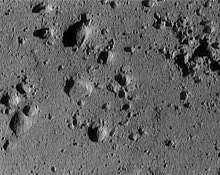
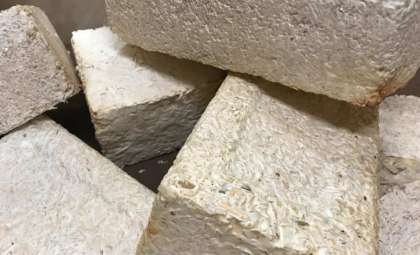
The foundation of this discovery lies in regolith, a layer of loose rock, dust, and sand covering planetary surfaces. By mixing regolith with carbon nanotubes and curing the mixture at relatively low temperatures, the researchers created solid bricks with strength comparable to natural granite. These lightweight yet strong building blocks are especially valuable in space where reducing transport weight and construction energy consumption is crucial.

Professor Jonathan Coleman, the project lead, emphasized the importance of maximizing the use of materials found where missions take place. He stated, “Building semi-permanent bases on the Moon or Mars depends on leveraging local materials while limiting reliance on Earth-supplied equipment.” Utilizing extraterrestrial resources like regolith can drastically cut logistical hurdles and expenses, advancing the feasibility of space colonization.
Despite their lightness, the bricks boast remarkable compressive strength. Some samples achieved compressive strengths exceeding 100 MPa, outstripping many high-grade concretes on Earth. This robustness is essential for surviving the extreme temperatures, radiation, and environmental stresses that characterize the Moon and Martian surfaces, making these bricks a perfect candidate for off-world construction.
Innovative Bricks with Built-In Electrical Monitoring
Aside from their strength, these regolith-based bricks possess electrical conductivity, distinguishing them from standard building materials. This trait enables the bricks to act as internal sensors inside structures, continuously assessing their integrity. Since habitats in space must maintain airtight seals to protect their inhabitants, any early sign of structural degradation is critical to detect promptly.
Professor Coleman pointed out that this sensing ability could dramatically improve safety in space colonies, where durable and monitored infrastructure is necessary for prolonged living. “Detecting early signs of brick failure is vital,” he remarked, underscoring the role of these materials as both construction components and a safety monitoring system. This self-diagnostic quality could alert astronauts to repair needs before problems escalate.
Implications for Earth’s Construction Sector
While primarily focused on space applications, this development also carries promise for Earth’s building industry. The combination of regolith and carbon nanotubes resembles the use of graphene, a nanomaterial known to boost concrete strength. Adding graphene to concrete can enhance its strength by up to 40%, which could reduce the quantity of concrete necessary for projects.
Given that concrete production accounts for about 8% of global carbon dioxide emissions, strengthening concrete implies less material usage and a smaller carbon footprint. The researchers noted, “Enhancing concrete’s durability means fewer resources are consumed, contributing to more sustainable construction.” This approach could markedly lower the environmental impact of an industry responsible for significant pollution.
Looking Ahead: Building Sustainable Space Habitats
This innovation marks a critical advancement toward realizing permanent installations on the Moon and Mars. As organizations like NASA and SpaceX expand human exploration efforts, relying on local materials like regolith for habitat construction becomes a strategic necessity. Doing so reduces logistical challenges and costs tied to Earth-launched supplies.
Future lunar and Martian outposts will require resilient infrastructure for lasting habitation and scientific research. The team at Trinity College Dublin sees their findings as a crucial component in humanity’s journey to establish a foothold in space. As Professor Coleman noted, “Our strategy involves heavy use of regolith and water from these environments, supplemented by small amounts of Earth-fabricated additives,” reinforcing the importance of in-situ resource utilization for upcoming missions.
In summary, the ability to produce robust, electrically active bricks from Martian and lunar sand is a groundbreaking step that could reduce costs and challenges of space construction. This method promotes more sustainable approaches to exploring space while offering innovative solutions that could even benefit the construction industry on Earth.
- Categories:
- Astronomy ,
- News ,
- Science ,
- Space











0 comments
Sign in to Comment