
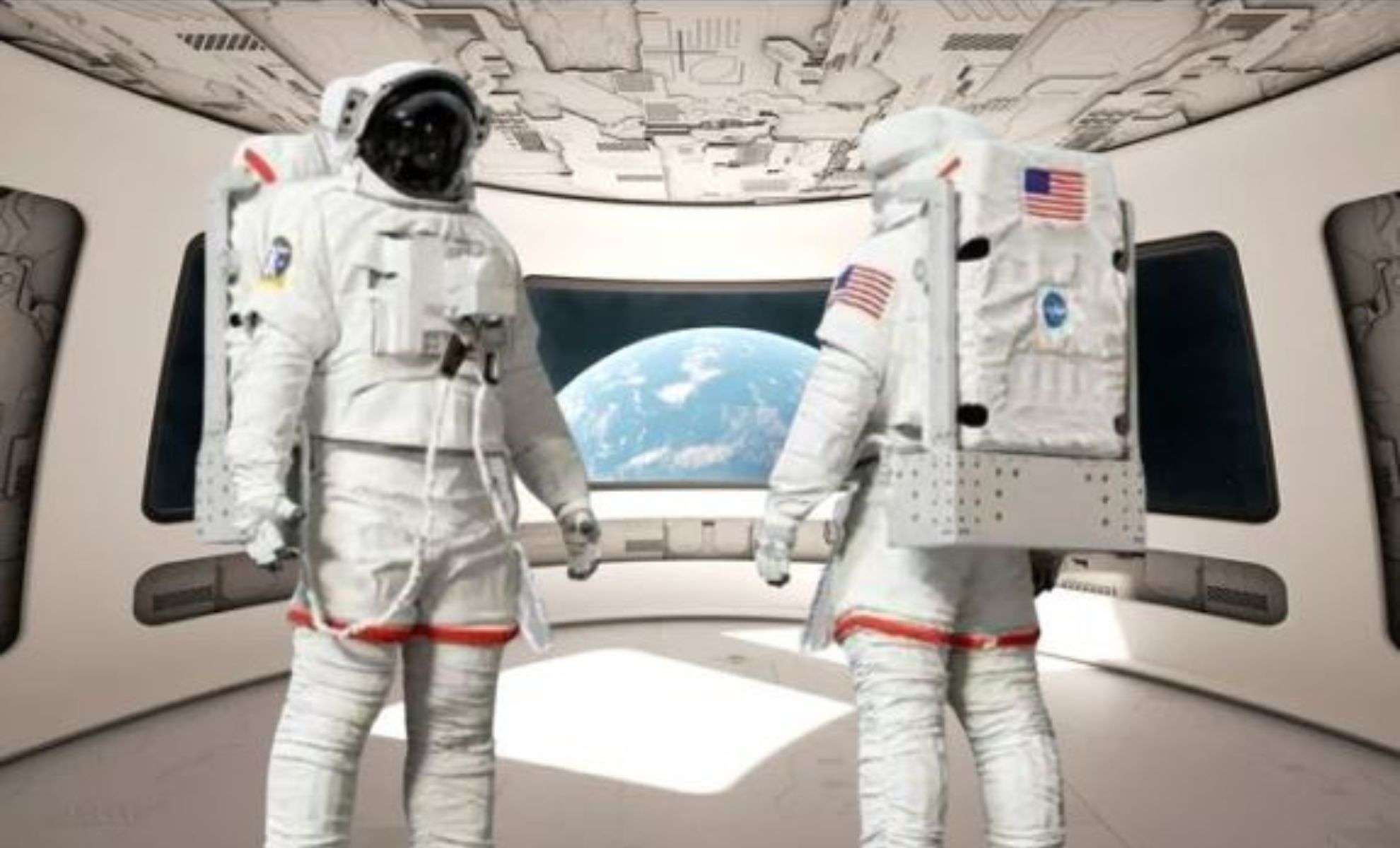
A new spacesuit innovation recycles astronauts' urine into clean drinking water, taking inspiration from the iconic stillsuits popularized by the sci-fi universe of Dune.
This cutting-edge advancement promises to boost astronauts’ endurance and self-sufficiency on lengthy spacewalks, a critical factor for upcoming lunar and Martian expeditions.
Challenges of Current Waste Management in Space
At present, space travelers depend on maximum absorbency garments (MAGs)—akin to adult diapers—to handle bodily waste during extravehicular activities. These garments are not only uncomfortable but also vulnerable to leaks, increasing the risk of conditions like urinary tract infections and skin irritation. Astrobiologist Sofia Etlin from Weill Cornell Medicine remarked, “In today’s era, it’s surprising that astronauts still use diapers.”

MAGs pose more than just a comfort concern. Astronauts have reported leakage issues that blur the line between sweat and urine, contributing to discomfort and potential medical problems. Some astronauts limit their food and fluid intake before spacewalks to reduce dependence on MAGs, which can compromise their physical capacity. The pressing need for an improved waste management system grows as missions extend further and longer away from Earth.
Advanced Hydration System Embedded in the Spacesuit
The futuristic spacesuit features a vacuum-assisted external catheter paired with a forward-reverse osmosis purification unit. This mechanism cleans urine and converts it into potable water within minutes. A custom-designed silicone collection cup accommodates anatomical differences between male and female astronauts, supported by multilayered fabrics to guarantee cleanliness and comfort. “Testing under simulated microgravity is essential since microgravity profoundly impacts system performance,” said Professor Christopher Mason, lead investigator of the project.
The purification involves a dual-stage filtration process. Initially, forward osmosis separates water from contaminants, followed by reverse osmosis extracting pure water from the saline byproduct. This approach yields over 86.8% recovery of urine as drinkable water. Enriched with electrolytes and carbohydrates, the reclaimed water meets astronauts' hydration and energy requirements during EVAs.
Implications for Upcoming Lunar and Martian Missions
This spacesuit innovation arrives at a pivotal moment as NASA advances toward the Artemis III mission, planning crewed lunar landings near the Moon’s south pole by 2026. The technology also holds vital promise for Mars missions, where fresh water access will be scarce. Etlin highlighted, “Astronauts on Artemis may operate for extended periods, making a dependable water source and waste system essential beyond diaper capacities.”
Besides enhancing water sustainability, this breakthrough helps maintain astronauts’ health and mission efficiency. Recycling urine drastically cuts down the water payload, lowering mission weight and expenses. Continuous hydration supports cognitive and physical performance, minimizing risks from dehydration during demanding space activities.
Upcoming Trials and Broader Prospects
Plans are underway to evaluate this urine-to-water system with 100 participants in New York during autumn, focusing on comfort and functionality in microgravity-like environments. These trials aim to refine the technology before integration into future space missions, hopefully transforming astronauts’ hydration and waste management.
These real-world tests will verify filtration efficacy and user experience, providing vital data for improvements. Ultimately, the goal is to embed this sustainable water recycling system into next-generation spacesuits, offering long-duration space travelers an independent, safe water source.
- Categories:
- Astronomy ,
- News ,
- Nasa ,
- Evolution










0 comments
Sign in to Comment