
Deep within Antarctica’s Victoria Land, under a thick 14-meter ice cover, Lake Enigma was once thought to be entirely solid ice. Recent research, however, has revealed a hidden aquatic ecosystem thriving beneath the frozen surface, inhabited by diverse microorganisms. This extraordinary environment offers valuable insight into how life endures extreme conditions on Earth, as well as clues about the possibility of organisms surviving beneath the icy shells of distant moons like Europa and Enceladus.
The discoveries come from the ENIGMA initiative, supported by the National Antarctic Research Program, which utilized cutting-edge drilling and imaging techniques to explore beneath the lake’s icy barrier. Their work unveiled a vibrant microbial community living against all odds in a seemingly hostile habitat.
Unveiling Life Beneath the Ice Barrier
Initially detected in 1989, Lake Enigma was long assumed to be frozen solid throughout. Yet, ground-penetrating radar missions in 2019 and 2020 uncovered a surprising discovery: a layer of unfrozen, stratified water under the ice. This water, characterized by very low nutrient content (oligotrophic), nevertheless supports an active and complex community of microbes.

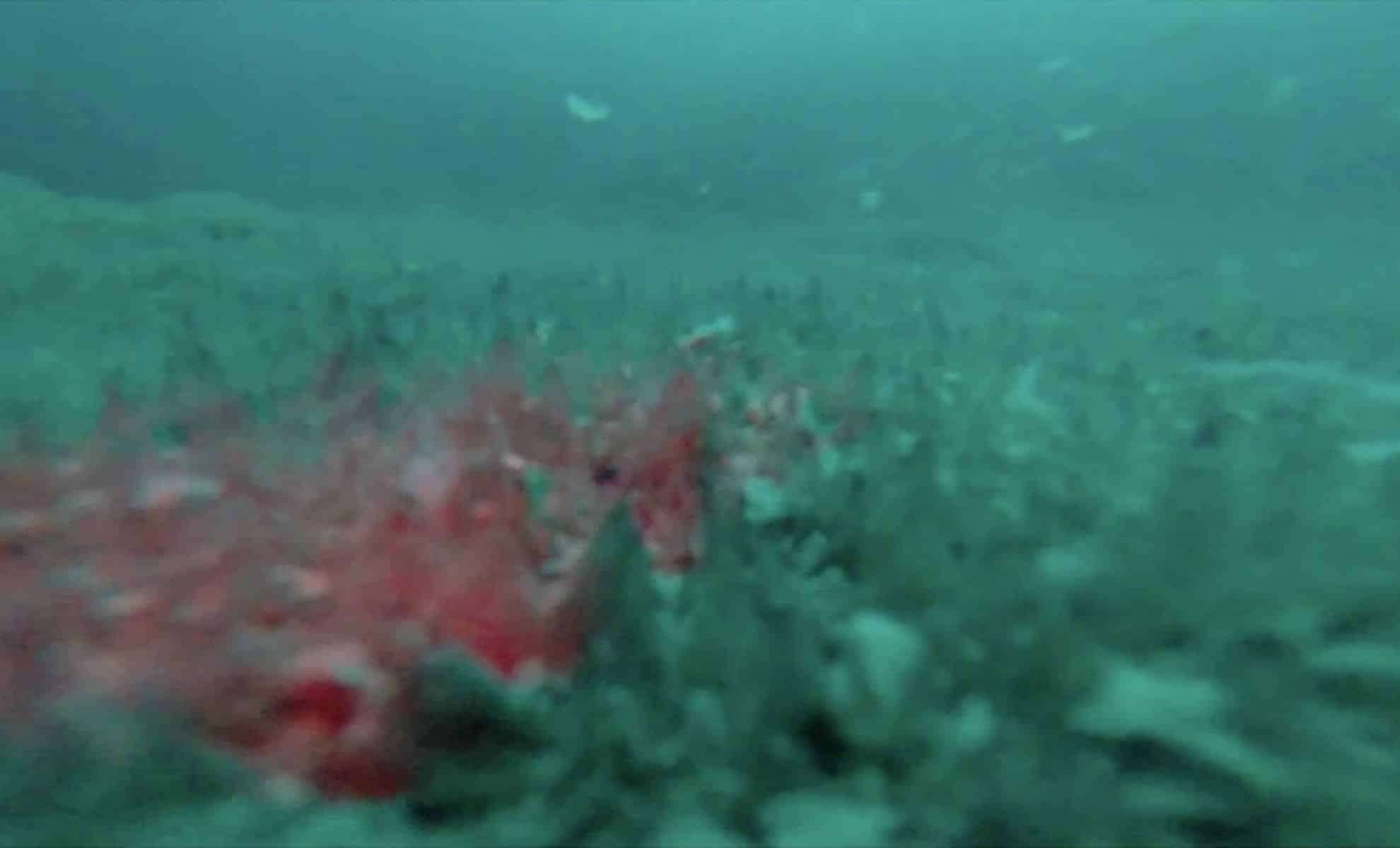
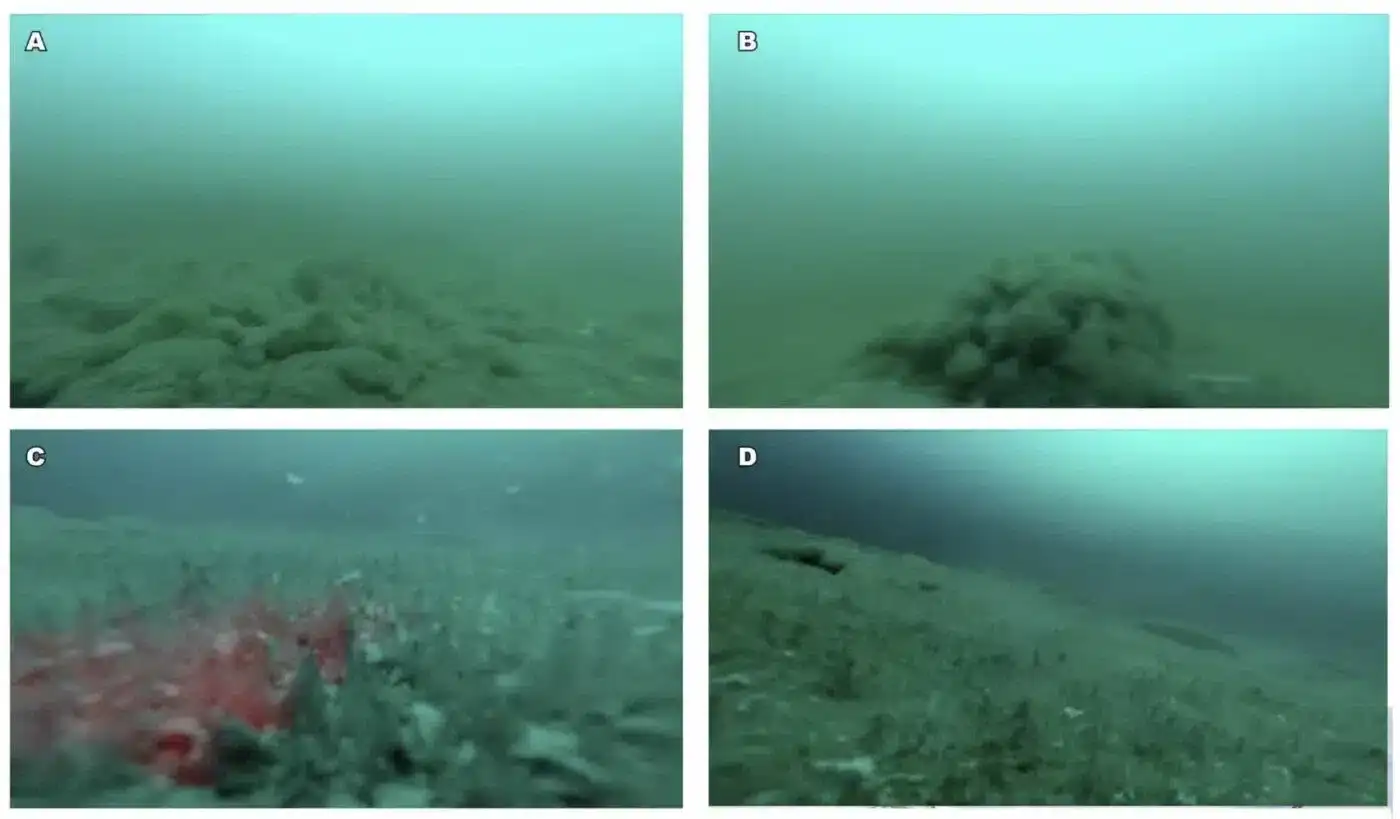
Scientists penetrated the 14-meter ice sheet using specialized drilling equipment and submerged underwater cameras to capture images of thick microbial mats—structured aggregations of microorganisms forming biofilms in aquatic habitats. Some mats measured up to 40 centimeters in height and 60 centimeters across, challenging previous assumptions about biological resilience in severe polar conditions.
Significance for Extraterrestrial Life Searches
The presence of microbial communities beneath Lake Enigma's ice enriches our grasp of life's capabilities on Earth and provides a valuable analog for examining possible life-supporting environments beyond our planet. Moons such as Europa and Enceladus harbor subsurface oceans beneath icy crusts that could similarly sustain microbial organisms.
Stefano Urbini, the INGV project lead, commented, “These results offer an intriguing window into life thriving under some of Earth’s most extreme conditions and act as a template for exploring life on other worlds.”
By investigating the strategies microorganisms employ to survive the nutrient scarcity, seclusion, and frigid temperatures in Lake Enigma’s extreme environment, researchers can better anticipate where life may exist elsewhere in the solar system.
- Categories:
- News












0 comments
Sign in to Comment