
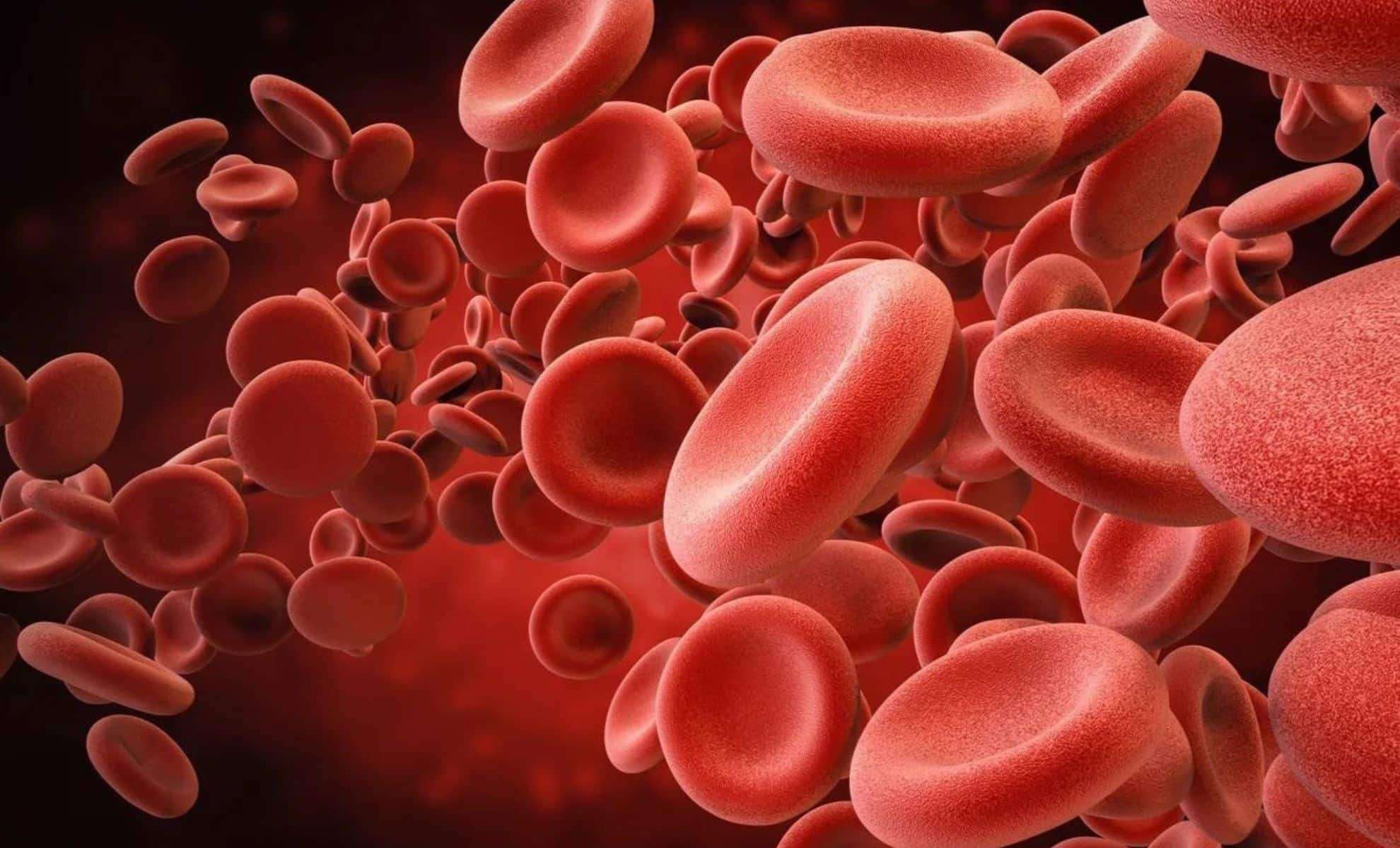
After 50 years of investigation, researchers have identified a previously unknown blood group system named MAL, marking a major advancement in human biology. This discovery originated from a peculiar medical case in 1972, involving a pregnant woman whose blood lacked an antigen found in virtually all others. This rare finding puzzled scientists for decades until they finally decoded the underlying cause, which holds considerable significance for medicine and patient treatment.
The MAL blood group expands the known repertoire of human blood group systems, each characterized by distinct antigens on red blood cells. While many are familiar with the common ABO and Rhesus blood types, numerous other systems exist, affecting smaller population segments. MAL contributes valuable knowledge about the diversity of human blood, emphasizing the critical need to identify uncommon blood groups for compatible transfusions.
A Mystery Spanning Decades
The presence of the MAL blood group was linked to absence of the AnWj antigen, a red blood cell marker found in over 99.9% of people. First documented in 1972, the significance of the antigen’s absence remained unclear. Hypotheses suggested a genetic mutation as the cause, but confirming this theory took many years of dedicated research.

“The challenge was driven by the rarity of the genetic profiles involved,” said Dr. Louise Tilley, a UK NHS hematologist who has spent nearly two decades researching this anomaly. Identifying enough AnWj-negative individuals for robust analysis was difficult, leaving scientists to steadily build their understanding piece by piece.
Identifying the MAL Blood Group System
The key breakthrough was the discovery of the MAL gene, which codes for a small but crucial protein essential for AnWj antigen formation. Individuals with mutations in both MAL gene copies lack the AnWj antigen, resulting in an AnWj-negative blood type. To verify the connection, researchers introduced a normal MAL gene into AnWj-negative cells, successfully restoring the antigen and conclusively proving the gene’s role.
“MAL’s minute size and unique traits made it difficult to detect,” noted Dr. Tim Satchwell, a cell biology expert from the University of the West of England. “It required multiple investigative approaches to gather the definitive evidence needed to establish MAL as a blood group system.”
This finding officially recognizes MAL as a distinct blood group system and enhances comprehension of rare genetic blood variants.
Relevance to Transfusion Medicine
The recognition of the MAL blood group has important implications for transfusion safety. Compatibility between donor and recipient blood groups is critical to prevent immune responses that can be dangerous or fatal. Understanding rare systems like MAL is vital for developing diagnostic methods and protocols that avoid such complications.
Dr. Tilley highlighted the clinical significance:
“This achievement culminates years of teamwork, enabling us to identify a new blood group system and provide optimal care to patients with rare blood types.”
This discovery also underscores how studying unusual cases can yield insights that improve healthcare for wider populations.
Wider Impact of the Discovery
The MAL blood group identification exemplifies the power of perseverance and collaboration in scientific research. Advanced techniques, including genetic sequencing and molecular biology, were essential to solving this long-standing puzzle.
The research also offers diagnostic advancements. In some instances, lack of the AnWj antigen may stem from blood disorders that suppress its expression rather than genetic mutation, paving the way for new tests to detect and treat such conditions early.
Looking Ahead
Discovering the MAL blood group is a milestone in human biology but also opens new questions. Are there other hidden blood group systems? How might these impact health or disease risk? Continued exploration promises to deepen understanding of human physiology and genetic diversity.
With these insights and tools, scientists are positioned to reveal more genetic secrets that could revolutionize patient care and save lives.











0 comments
Sign in to Comment