
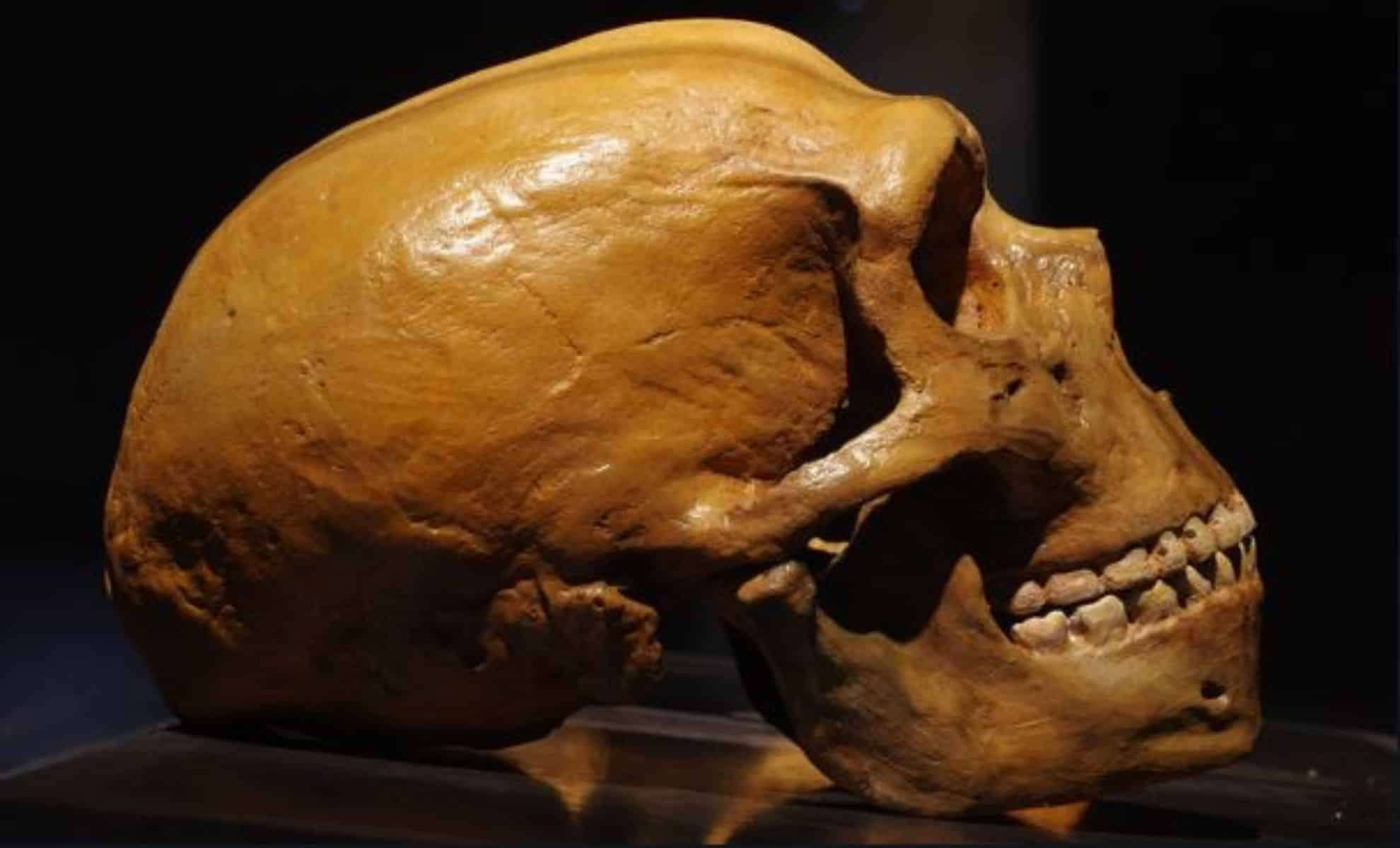
Researchers have revealed a previously unknown human ancestor, Homo juluensis, which inhabited parts of Asia between 300,000 and 50,000 years ago. This extraordinary finding transforms the conventional narrative of human evolution by introducing a new chapter in the story of early humans. While well-known species such as Homo sapiens, Homo erectus, and Homo neanderthalensis have guided our historical perspective, the discovery of Homo juluensis invites fresh inquiry into the complexity and diversity of ancient human populations, especially within the Asian continent.
The emergence of this new species is particularly illuminating for understanding the enigmatic Denisovans. Until now, physical evidence of the Denisovans was scarce, known mostly through genetic markers. The unearthing of Homo juluensis helps fill some of these voids, offering critical clues on how early human lineages evolved, interacted, and spread across Asia’s varied landscapes.
Unraveling Human Evolution: The Role of Homo juluensis
The identification of Homo juluensis adds valuable information about how prehistoric human species adapted to diverse ecological challenges. Archaeological findings indicate this species employed sophisticated tool-making techniques and hunting strategies pivotal for survival in ancient Asian environments. Professor Christopher J. Bae from the University of Hawaiʻi at Mānoa’s Department of Anthropology emphasizes the importance of this research: “This study clarifies a hominin fossil record that has tended to include anything that cannot easily be assigned to Homo erectus, Homo neanderthalensis, or Homo sapiens.”

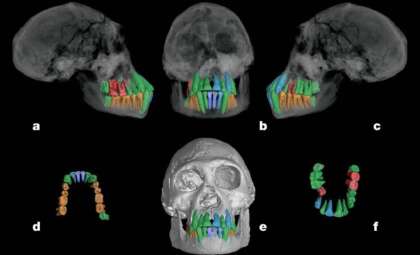
Distinctive anatomical traits set Homo juluensis apart from other human species. The tools and skeletal remains suggest novel survival adaptations that helped this group thrive in Asia’s demanding climates and competitive ecological niches. Physical similarities with Denisovans hint at a possible shared heritage or interaction, giving new dimensions to our understanding of these elusive ancient populations.
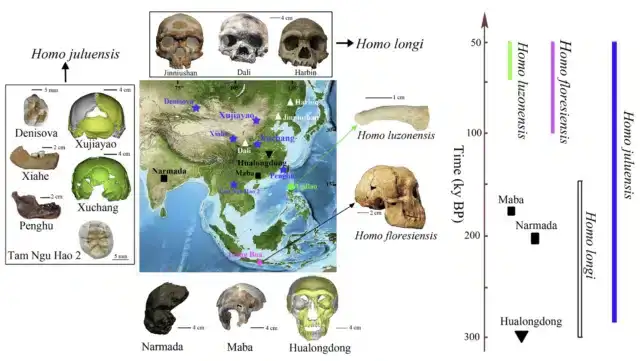
Exploring the Link Between Homo juluensis and Denisovans
The discovery of Homo juluensis offers new perspectives on the mysterious Denisovans, known primarily through genetic evidence embedded in modern human DNA. Homo juluensis exhibits robust physical characteristics and tool-making styles similar to those attributed to Denisovans, suggesting these groups might have overlapped geographically and temporally, possibly interbreeding and exchanging cultural traits.
With limited fossil evidence previously available for Denisovans, the study of Homo juluensis opens doors to a deeper exploration of their biology and interactions with other hominin species across Asia. This newly identified species could act as a bridge in understanding Denisovan genetics and their contribution to the evolutionary mosaic of early humans.
Revolutionizing Human Evolution Research with Advanced Fossil Analysis
The significance of uncovering Homo juluensis extends beyond the species itself. Traditionally, hominin fossils from Asia faced challenges in classification due to fragmented remains. Led by Professor Bae, the research team applied innovative analytical methods to reorganize hominin fossils in the region, separating those previously lumped into other known categories and recognizing a distinct new species.
“Though the project began years ago, uncovering a new hominin (human ancestor) species and systematically classifying Asian fossils into separate groups was unexpected,” shared Professor Bae. Such approaches may transform evolutionary studies, sparking further discoveries that challenge traditional views on the origin and diversity of our ancestors.
The Impact of Homo juluensis on Paleoanthropology
The discovery of Homo juluensis carries far-reaching consequences for understanding migration, adaptation, and interbreeding among early hominins. By identifying a formerly unknown population in Asia, scientists gain greater insight into how ancient humans dispersed globally and adapted to harsh environmental conditions. Research on this species also enhances understanding of interactions with contemporary groups like the Denisovans.
Beyond this individual species, Professor Bae notes, “This study clarifies a hominin fossil record that has tended to include anything that cannot easily be assigned to Homo erectus, Homo neanderthalensis, or Homo sapiens.” These findings mark a pivotal advance in paleoanthropology, promising to inspire future breakthroughs as more fossils from Asia come to light.







0 comments
Sign in to Comment