
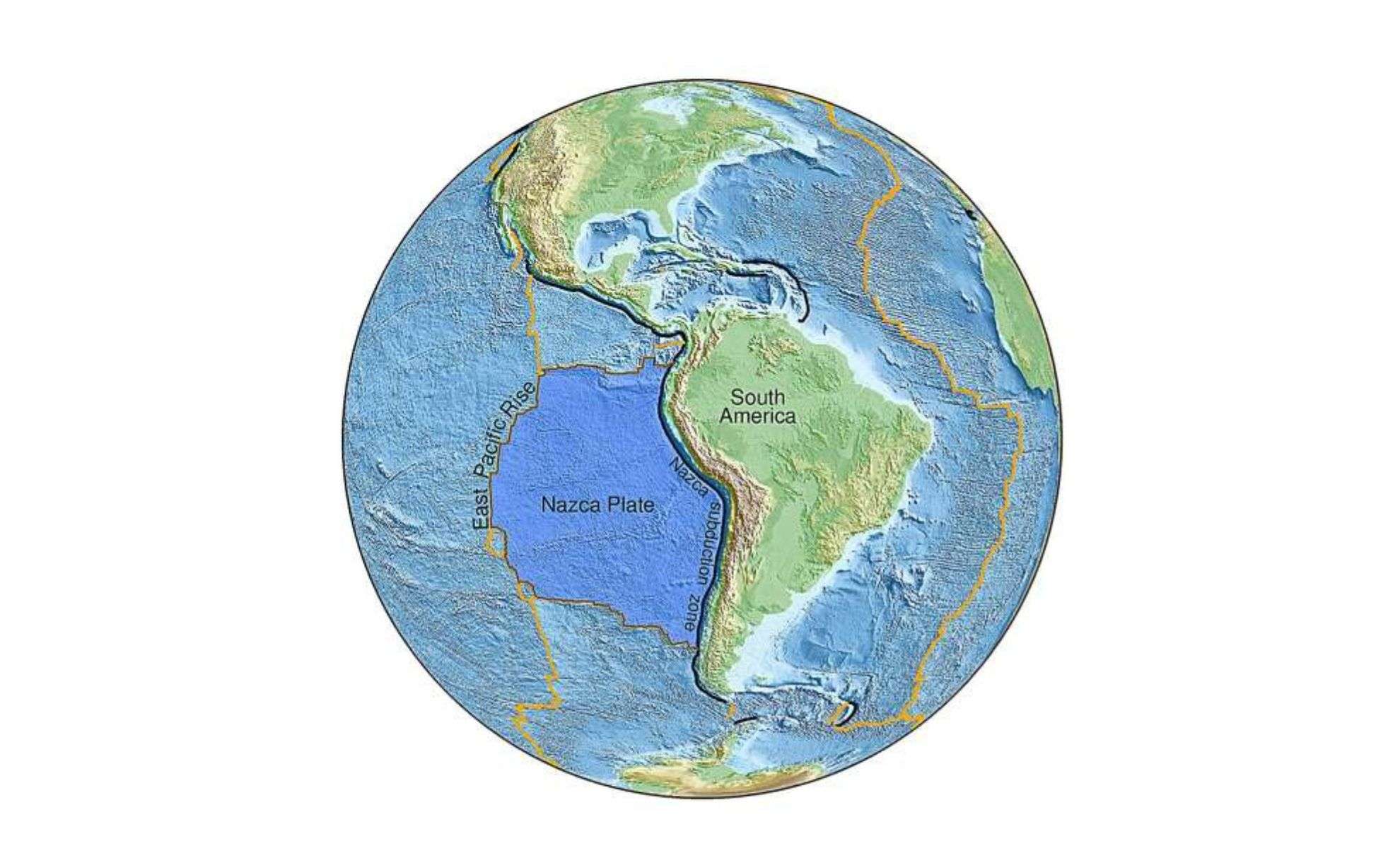
Scientists have identified remnants of a forgotten oceanic crust deep below the Pacific Ocean, shedding light on Earth’s complex geological evolution.
This groundbreaking finding, spearheaded by experts at the University of Maryland, challenges existing concepts about Earth's deep interior, particularly within the mantle transition zone. The research indicates that fragments of an ancient tectonic plate, subducted more than 100 million years ago, continue to impact the mantle’s structure and movement today, providing a novel perspective on the forces sculpting our planet.
Seismic Imaging Reveals Subterranean Seafloor Remnants
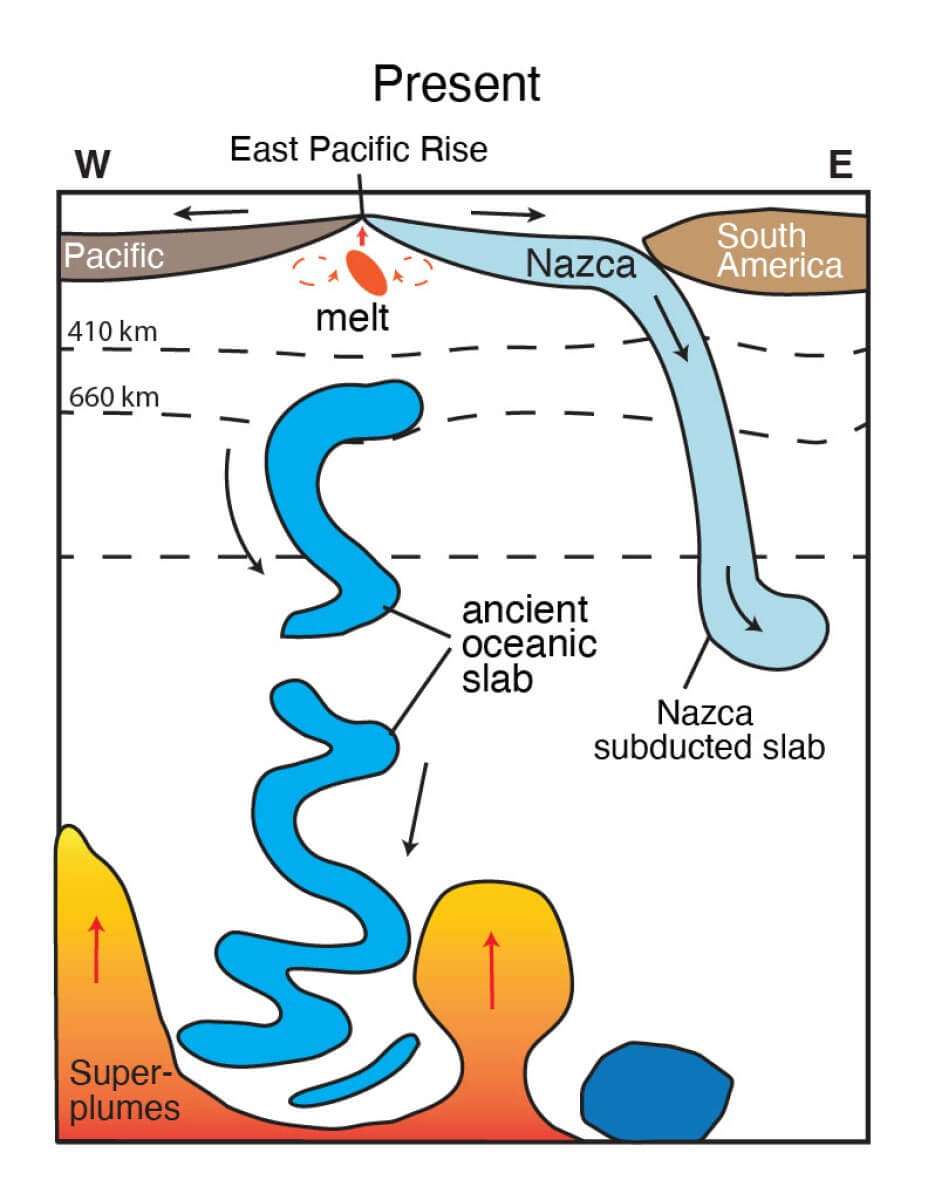
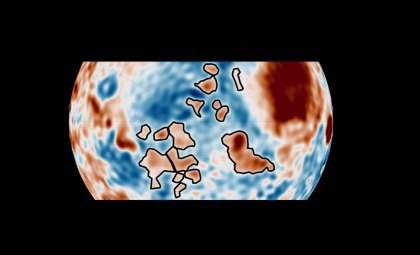
Employing advanced seismic imaging techniques, a team led by Jingchuan Wang, a geology postdoc at the University of Maryland, mapped a peculiar section of the mantle transition zone located around 410 to 660 kilometers beneath the ocean bed. This region east of the East Pacific Rise appeared notably thicker and cooler than surrounding mantle, which the researchers interpret as leftover material from an ancient oceanic plate that sank during the Mesozoic era, approximately 250 to 120 million years ago.

Utilizing SS precursor analysis, a method analyzing seismic waves reflected within Earth’s deep layers before surfacing, Wang’s group detected what he termed “a fossilized fingerprint of an ancient piece of seafloor that subducted into the Earth approximately 250 million years ago.” This slab, trapped in the mantle transition zone, has endured more than 100 million years, offering a rare window into Earth's remote geological past.
Implications for Mantle Behavior and Tectonic Activity
A particularly intriguing discovery is how the ancient slab affects the Large Low Shear Velocity Province (LLSVP), a vast section of Earth’s lower mantle beneath the Pacific known for unusually slow seismic wave speeds. This slab appears to have divided the LLSVP, behaving like a wedge as it descended into the mantle.
The findings enhance our understanding of the Pacific LLSVP's unusual structure and provide fresh insights into mantle convection, the sluggish, churning movement of Earth's interior that shapes surface geology over eons. Wang commented, “Our discovery opens up new questions about how the deep Earth influences what we see on the surface across vast distances and timescales.” The study suggests the mantle transition zone serves as a partial barrier, slowing the descent of subducted plates, contradicting previous ideas about material cycling in the mantle.
The Phoenix Plate: A Dinosaur-Era Geological Relic
The scientists propose the ancient slab may originate from the Phoenix Plate, a tectonic plate that once spanned a large area of the Pacific before being consumed by intraoceanic subduction. During this process, one oceanic plate is forced beneath another, sinking deeply into the mantle while carrying cooler ocean floor material. This creates a cold thermal signature that persists in the mantle today.
This subduction episode occurred during the period when dinosaurs roamed Earth and likely contributed to features of the mantle that modern scientists are only now unraveling. Wang noted, “We observed that in this area, the slab was sinking at roughly half the speed we expected,” indicating that the mantle transition zone can act as a slowdown zone for descending plates. This suggests that some slabs linger in the transition zone for extended time frames, rather than moving swiftly into the lower mantle.
Revisiting Earth’s Geological Narrative
The identification of this ancient oceanic crust holds substantial consequences for understanding Earth’s tectonic and mantle processes. While subduction is often associated with surface phenomena such as volcanic activity and seismic events, Wang's research reveals that remnants of these processes can persist deep inside Earth for hundreds of millions of years, influencing mantle dynamics. This insight may prompt updates to plate tectonic models and refine our comprehension of how the Earth's surface has transformed over geological time.
Published in Science Advances on September 27, 2024, this study ushers in a new chapter in deep Earth science. The team plans to broaden their seismic surveys across the Pacific and other regions, aiming to discover additional ancient subducted materials. Wang remarked, “This is only the start. We expect many more ancient structures lie hidden in Earth’s depths, each capable of revealing fresh insights into our planet’s history—and even informing our understanding of other worlds.”
Wang’s research not only advances the study of Earth's mantle but also offers clues to planetary geology beyond our world. By tracing tectonic plate interactions over Earth’s past, scientists can apply these findings to examine planets like Mars, Venus, and other terrestrial bodies. These insights may help explain the geological histories of planets without plate tectonics, enriching our broader grasp of planetary formation and evolution.






0 comments
Sign in to Comment