
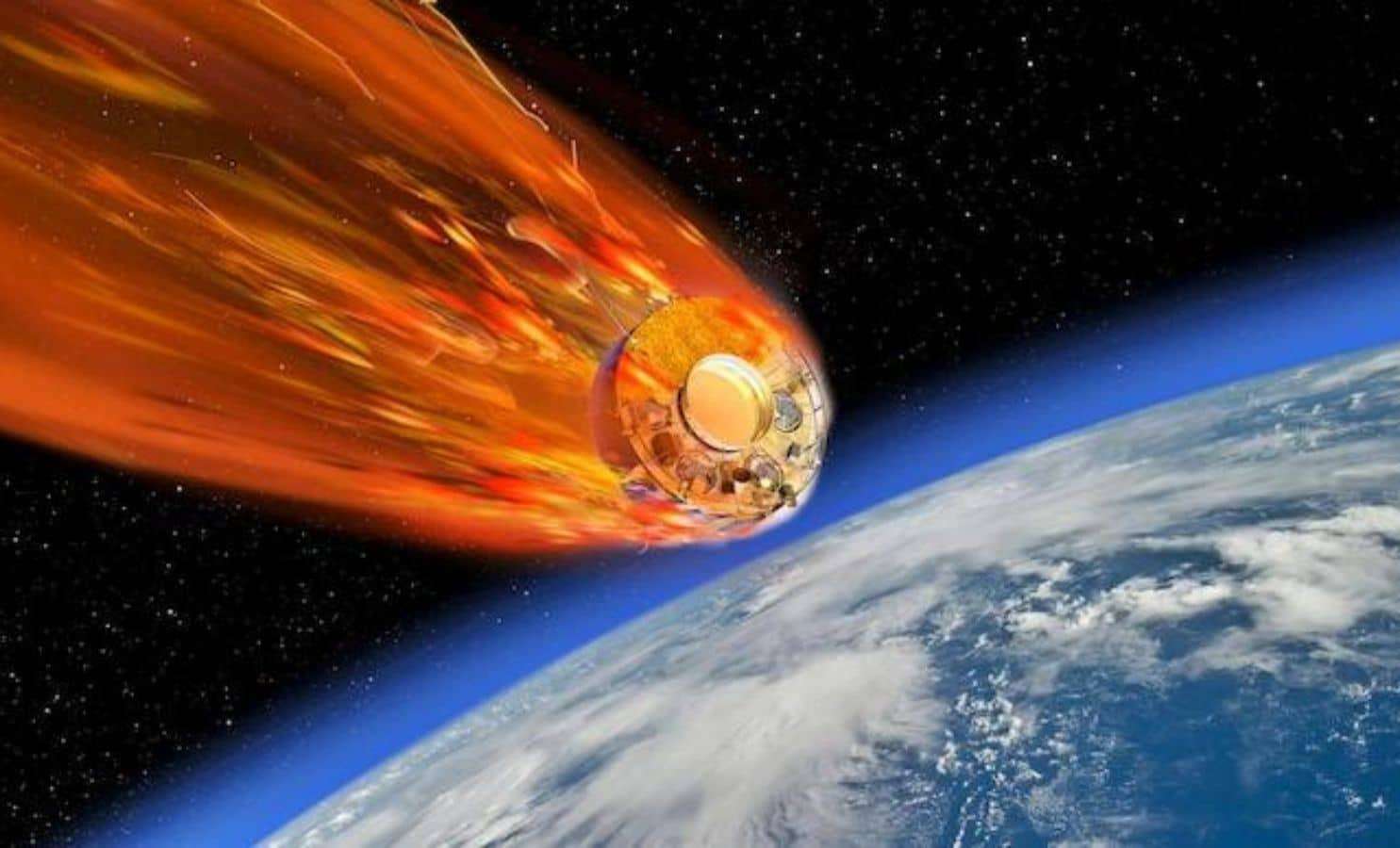
The European Space Agency’s (ESA) Cluster mission, renowned for advancing our understanding of Earth’s magnetic field, is nearing its finale with a controlled atmospheric reentry.
On September 8, 2024, the satellite known as Salsa will make a calculated descent into Earth’s atmosphere above the remote South Pacific Ocean Uninhabited Area, ushering in the closing phase of this remarkable mission.
Mission Longevity Beyond Expectations
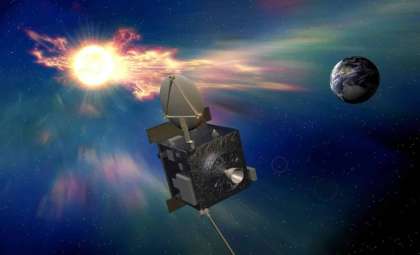
Launched in 2000 with an anticipated operational period of only two years, the Cluster project outlasted its original timeline, remaining active for more than 24 years. The mission’s core objective was to study Earth's protective magnetosphere—the magnetic shield safeguarding our planet from the Sun's solar wind. Utilizing a quartet of identical satellites—Salsa, Rumba, Samba, and Tango—scientists gained unprecedented 3D perspectives on how space weather influences Earth's magnetic field.

Through extensive observations of solar storms and various space weather phenomena, the Cluster satellites have delivered vital data on how these events impact Earth's atmosphere and vital technologies, such as satellites, electrical grids, and communication channels. Philippe Escoubet, the mission's manager, highlighted its enduring value: “For over two decades, Cluster has shown us time and time again how important the magnetosphere is in shielding us from the solar wind.”

Setting a Benchmark with Controlled Satellite Reentry
ESA’s planned controlled descent of Salsa underscores its dedication to sustainable practices in space. This maneuver ensures that the satellite will safely burn up over the uninhabited expanse of the South Pacific Ocean, minimizing risks to people and property. Earlier adjustments to Salsa’s orbit have been meticulously calculated to guarantee a steep atmospheric entry trajectory, maximizing its complete disintegration.
Bruno Sousa, overseeing Cluster operations, described this precise plan: “We adjusted Salsa’s orbit to enable a steep final plunge on 8 September, providing maximum control over where it reenters and burns up in the atmosphere.” This operation exemplifies ESA’s broader commitment to improving space safety and combating the growing challenge of orbital debris as satellite numbers continue to rise.
Enduring Contributions to Space Science
The Cluster mission has significantly advanced knowledge in space physics, particularly regarding Earth’s magnetosphere and the dynamics of space weather. Over two decades of data have enriched scientific models that forecast how solar storms interact with the planet’s magnetic defenses, which are essential for protecting infrastructure vulnerable to solar disturbances.
Though the satellites are retiring, their scientific legacy will persist, with ongoing analysis promising fresh insights into the complex interplay between the solar wind and Earth’s magnetosphere. Tim Flohrer, head of ESA’s Space Debris Office, emphasized the mission’s future benefits: “By observing how Salsa disintegrates, we expect to gain valuable knowledge for designing ‘zero-debris’ satellites.”
Looking Forward to Next-Generation Exploration
As Cluster approaches its conclusion, ESA is preparing for what comes next. The forthcoming Solar Wind Magnetosphere Ionosphere Link Explorer (SMILE) mission, scheduled for launch in 2025, will build on Cluster’s achievements by further exploring the interactions between the solar wind and Earth’s magnetic field.
The deliberate management of Cluster’s end-of-life phase highlights ESA’s emphasis on responsible space stewardship. By safely retiring spacecraft, ESA actively mitigates space debris risks, fostering safer conditions for future space missions aimed at both discovery and planetary protection.
- Categories:
- Astronomy ,
- News ,
- Space







0 comments
Sign in to Comment