
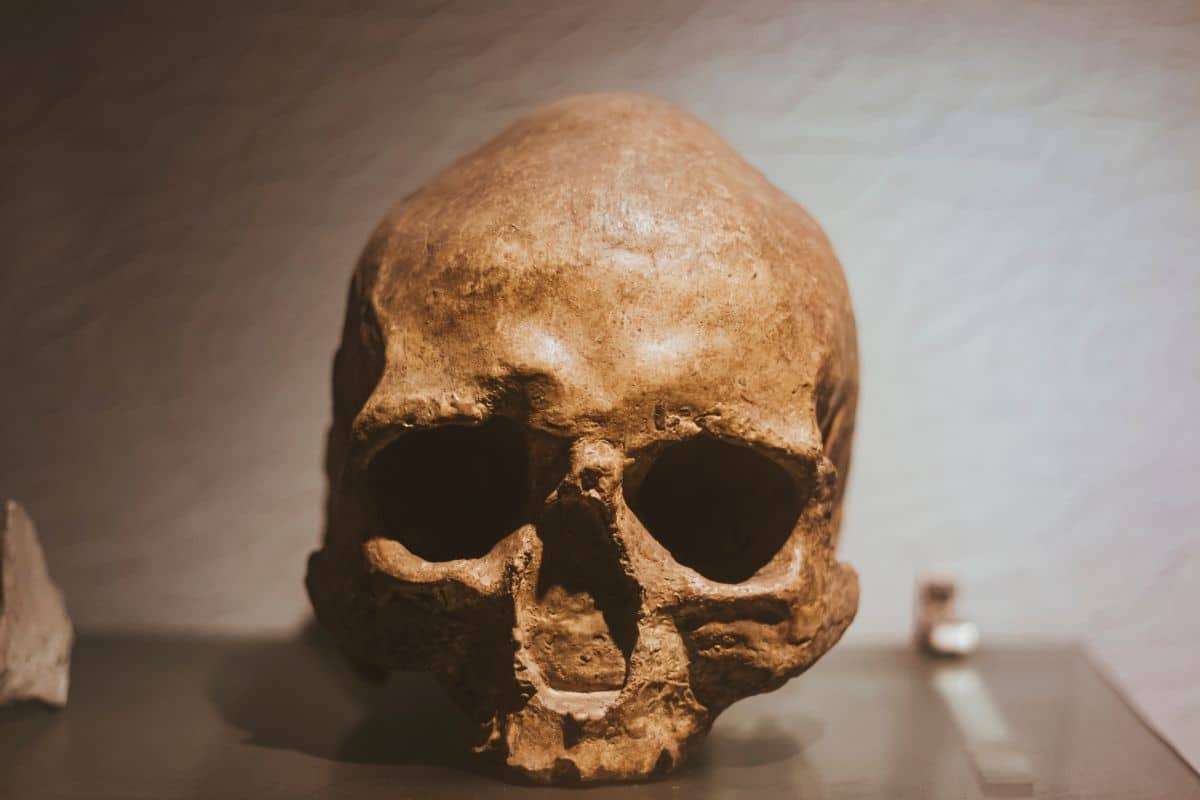
The Huns, the fierce nomadic warriors known for their devastating impact on the Western Roman Empire, have intrigued scholars for centuries.
Famous for being led by Attila the Hun, these invaders are often associated with hastening Rome’s decline. Yet, their true roots remained obscure—until recent advances in genetic research provided new clarity.
Innovative ancient DNA analysis has unveiled the complex ancestry of the Huns, demonstrating their rich and diverse genetic heritage.
Tracing the Huns’ Ancestral Origins
Scholars have long suggested a link between the Huns and the ancient Xiongnu Empire, which once dominated Mongolia and northern China.

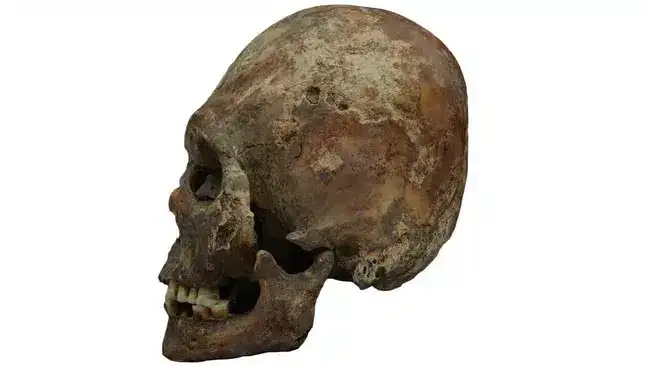
Researchers have pointed to cultural parallels—such as the practice of cranial deformation and similar weaponry—as evidence of this connection.
A recent publication in the Proceedings of the National Academy of Sciences (PNAS) examined genetic material from 370 individuals buried in Hun-era sites across Europe, mainly focusing on the Carpathian Basin where the Huns settled. The findings reveal a far more genetically diverse population than previously assumed, complicating the simplistic narrative of a uniform Eastern invasion.
Diverse Genetic Heritage Among the Huns
Led by archaeogeneticist Guido Gnecchi-Ruscone of the Max Planck Institute for Evolutionary Anthropology, the research team compared Hun DNA with DNA from Central Asian groups, including the Xiongnu. Their analysis showed a rich mix of genetic contributions spanning northeast Asia, Europe, and beyond.
The team employed identity by descent (IBD) segment sharing to identify DNA sequences inherited from shared ancestors. According to Gnecchi-Ruscone, “the population of the Hun realm in Europe was genetically highly heterogeneous.”
One notable finding involved a woman buried with gold earrings, suggesting a connection to high-ranking individuals from the Xiongnu era. Her genetic lineage confirmed lasting ties to the Xiongnu empire.
Complex Patterns of Migration and Cultural Integration
These genetic insights transform our understanding of the Huns’ expansion into Eastern Europe. Rather than a single, sweeping migration, the Huns’ arrival appears to reflect a nuanced process involving multiple waves of migration, cultural exchanges, and genetic blending.
According to Gnecchi-Ruscone, “We find both male and female individuals buried in the rare and exceptional Hun period Eastern type burials.”
The Huns emerged as a genetically and culturally mixed community stretched across the Eurasian steppe. The study also proposes that elite marriages or other social practices may have played a significant role in forming the Hun identity.
Traditions like skull modification likely persisted over generations, influenced by both Xiongnu customs and those of varied nomadic peoples.
- Categories:
- Science








0 comments
Sign in to Comment