

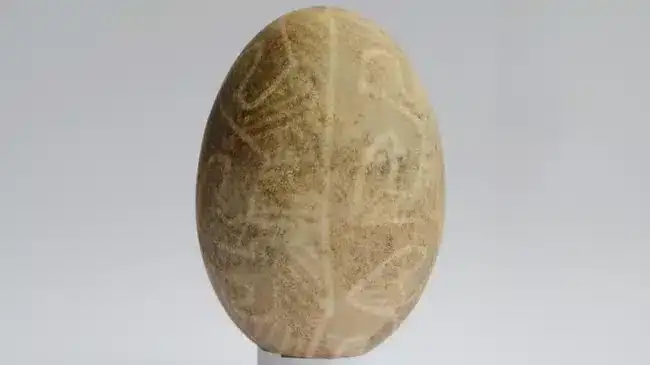
A delicate, exceptionally preserved duck eggshell dating back to the 16th century has been excavated from a Lviv, Ukraine site, and identified as the globe’s earliest pysanka—the iconic Ukrainian Easter egg tradition.
This finding was first reported by the Rescue Archaeological Service at Ukraine’s National Academy of Sciences’ Institute of Archaeology and has since garnered worldwide recognition due to its rich cultural and historical context.
Now exhibited at the Pysanka Museum in Kolomyia, this artifact offers fresh insights into long-standing customs symbolizing rebirth, endurance, and artistic craftsmanship.

Found Amidst the Ruins of Lviv's 16th-Century Fire
According to Live Science, the pysanka was retrieved in a 2013 rescue dig in central Lviv, initiated by construction work that uncovered a medieval well.
Initially serving as a groundwater source, the well was later converted into a following the catastrophic Great Fire of Lviv in 1527, which devastated much of the old city.
The decorated duck egg was found embedded in a compact layer of ash and debris, accompanied by ceramics, wooden tools, leather items, and metal fragments — likely materials discarded quickly during the frantic post-fire recovery.
Remarkably resilient, the egg sustained only minimal harm, losing just a 2 square centimeter portion of its shell.
Wax-Resist Magic: The Art of Pysanka
The word pysanka derives from the Ukrainian “pysaty”, meaning “to write,” referring to the traditional technique of applying wax designs to eggshells before layering on dyes. The wax protects certain areas during dyeing, creating striking contrasting patterns.
This particular find is a duck egg, consistent with historic practices. Its significance lies not only in its age—exceeding 500 years—but also in its extraordinary preservation despite exposure to fire and burial.
While ceramic eggs dating from the 12th century have been found in Ukraine, this is the first discovered actual eggshell pysanka from the early modern era.
The Easter Egg’s Journey from Ancient Ritual to Christian Symbolism
Egg decoration predates Christianity by millennia, with roots traced back to pagan customs of the Cucuteni-Trypillia culture in Central Europe around 6,000 years ago. Eggs symbolized fertility, renewal, and the forces of nature.
With the spread of Christianity, these meanings transformed to represent the Resurrection of Jesus. In this faith context, the egg’s shell embodies Christ’s tomb, and breaking it signifies His rise from death.
Ukraine fostered this merger of traditions over centuries, turning pysanky into iconic Easter artifacts, each rich with regional symbolism and elaborate designs.
UNESCO Honor and Cultural Pride
In 2024, UNESCO formally included Ukrainian pysanka artistry on the Intangible Cultural Heritage of Humanity list, recognizing its enduring cultural importance and intricate craftsmanship.
Today, pysanky represent more than festive decorations—they are powerful symbols of national identity and perseverance amid contemporary challenges. The Lviv pysanka remains a centerpiece attraction at the Pysanka Museum in Kolomyia.
- Categories:
- News










0 comments
Sign in to Comment