
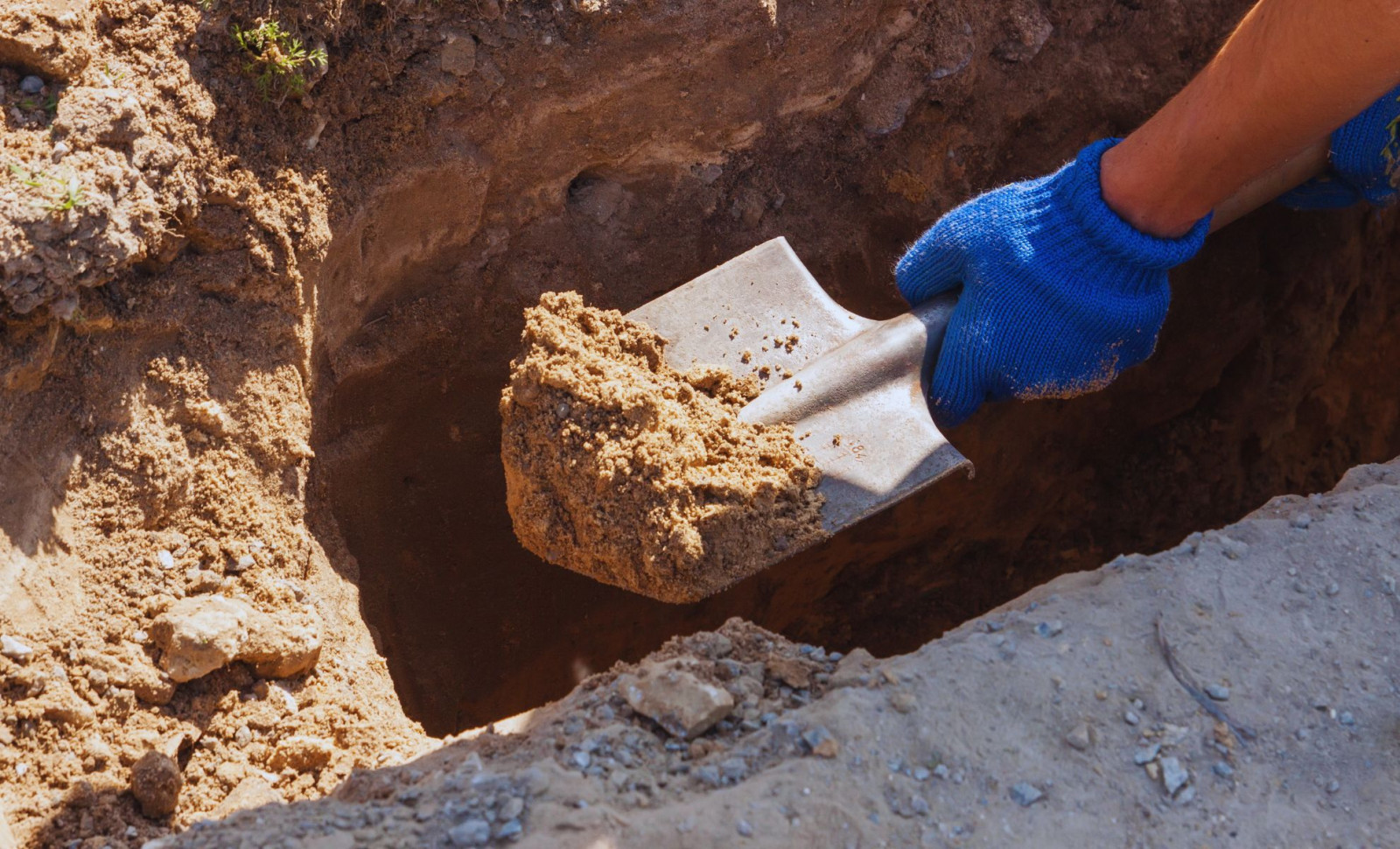
An ancient refuse site at Apollonia-Arsuf has proven to be a treasure trove rather than just a dump, revealing hundreds of Byzantine-age relics like coins, lamps, and jewelry.
The dig, conducted by the Israel Antiquities Authority alongside Tel Aviv University, examined land once cultivated adjacent to an old urban center. Over centuries, daily waste accumulated here, creating a layered historical archive.
The excavation team reports the area was inhabited for over 1,500 years, spanning from the Persian era through to the Crusader period. This extensive occupation provides valuable insight into customs and events across diverse epochs.

An Unusual Garbage Pit
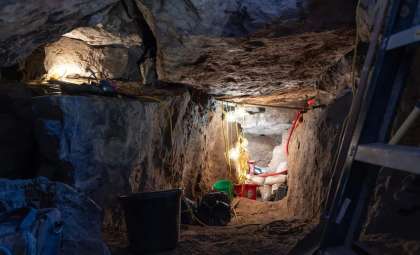
The focal point of this find is a huge pit exceeding 30 meters in diameter, initially understood as a refuse site. Professor Oren Tal and Dr Moshe Ajami reported typical waste materials such as pottery shards, glass fragments, industrial remnants, and animal bones, suggesting continual dumping over many years.
However, alongside these ordinary remnants, the pit contained objects that challenge the notion of mere trash. Researchers noted it held “a large quantity of intact, usable artifacts,” raising questions about why such valuables were discarded here.
“This is very fascinating. You don’t expect [intact lamps] to be found in dumps and refuse, because they need to be used and they need to be sold.” said Tal to The Jerusalem Post. “Our understanding is that there is some sort of probable cultic aspect of intentionally discarding usable and intact vessels among the Samaritan community that inhabited Apollonia in the late Byzantine period.”
Treasure Trove of Coins, Lamps, and Jewelry
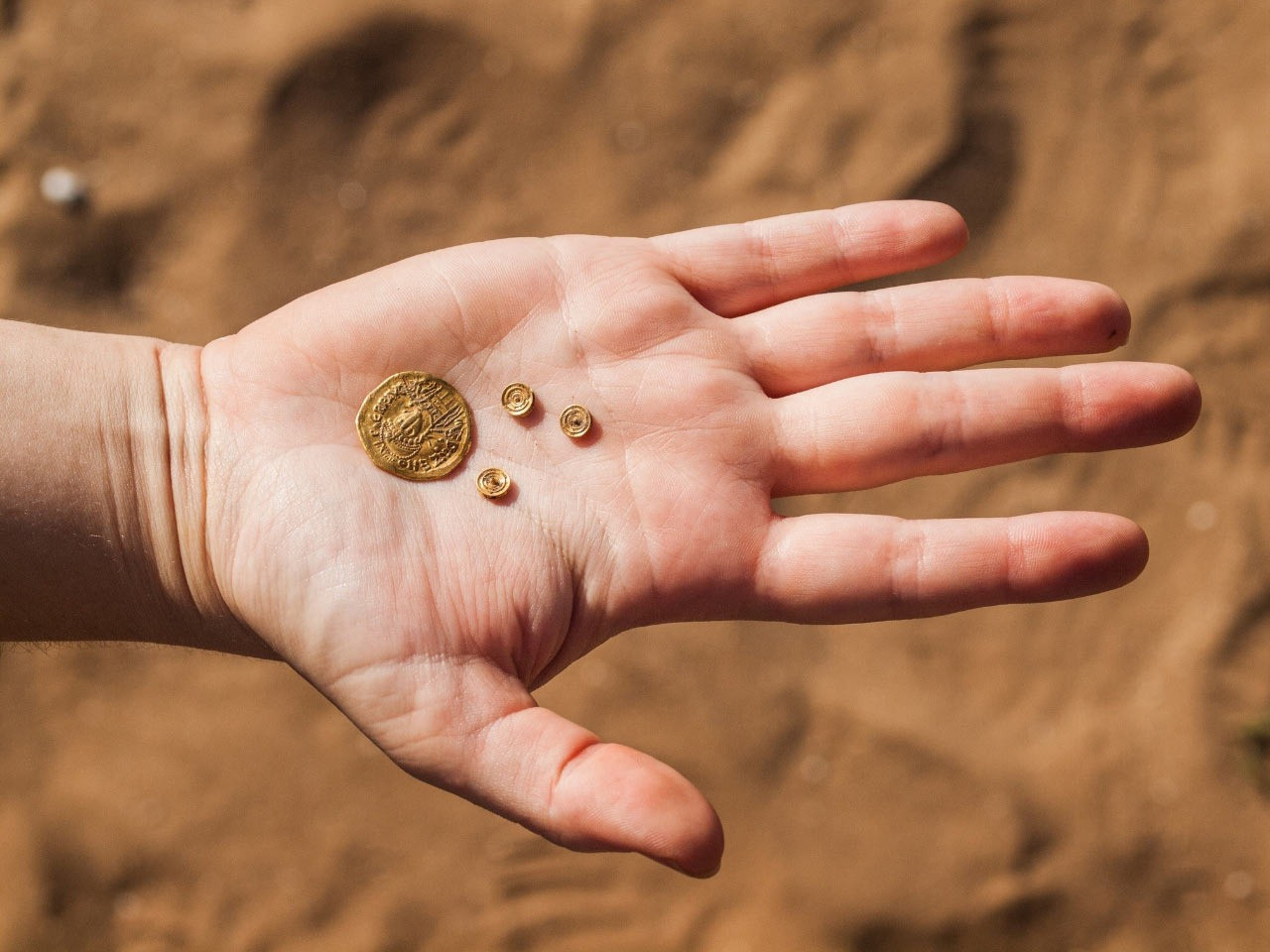
Unearthing the pit revealed over 400 coins, predominantly from the Byzantine era that stretched from approximately 330 to 1453 AD, after Rome’s empire divided. Among these was a gold coin alongside various lesser denominations.
Furthermore, archaeologists recovered close to 200 well-preserved Samaritan lamps. As highlighted by a statement on Biblical Archeology Daily, their remarkable condition is notable given their refuse context. Rings and gold adornments found with the lamps strengthen the idea that this site was more than a simple dump.
A Sacred Inscribed Ring
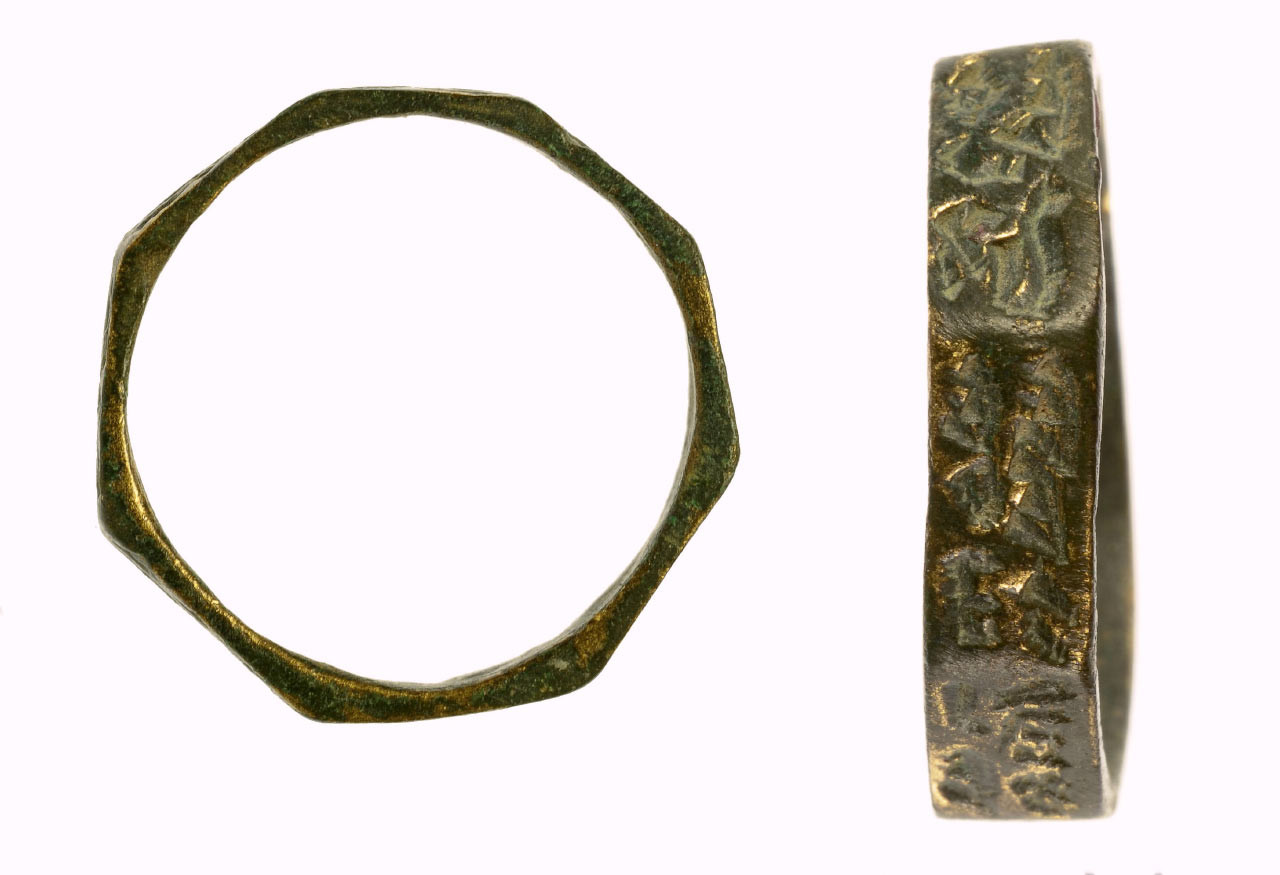
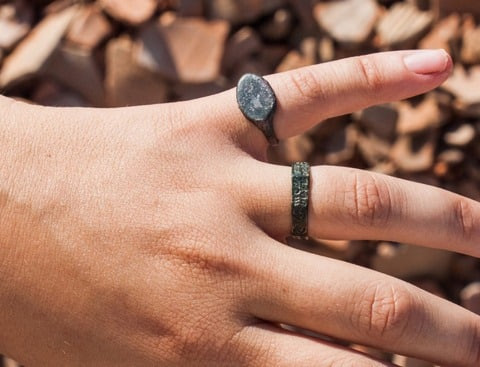
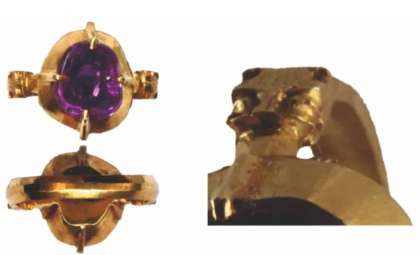
One artifact stands out: an octagonal ring etched with excerpts from the Samaritan Pentateuch. Each face features Samaritan script lines, engraved with brief holy phrases representing the spiritual beliefs of the ancient Samaritan group residing here.
“Among the Byzantine jewelry described in the IAA press release is a unique ring inscribed with verses from the Samaritan Pentateuch reading ‘Adonai is his name’ and ‘One God’,” the authors explained.
- Categories:
- News






0 comments
Sign in to Comment