
Scientists have uncovered an extraordinary fossil in Antarctica: the continent’s inaugural fossilized egg and the biggest known soft-shelled egg in paleontological records. This discovery challenges existing theories about reproduction in ancient marine reptiles.
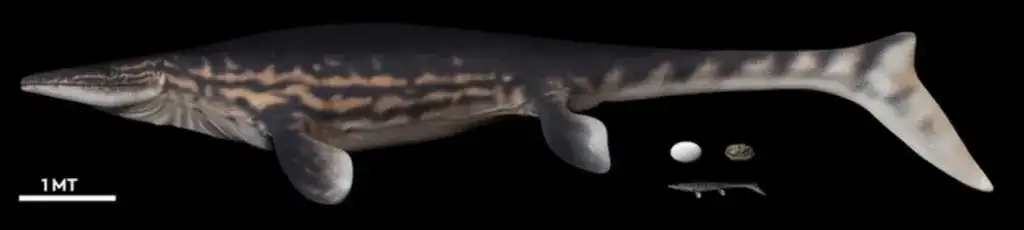
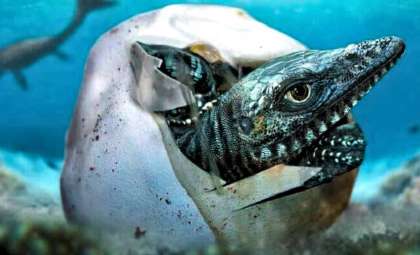
This enormous fossil had long been neglected and misinterpreted while stored at Chile’s National Museum of Natural History. Recent analysis revealed it belonged to an enormous reptile, possibly over 20 feet long, resembling a giant lizard or snake.
Unlike Dinosaur Eggs
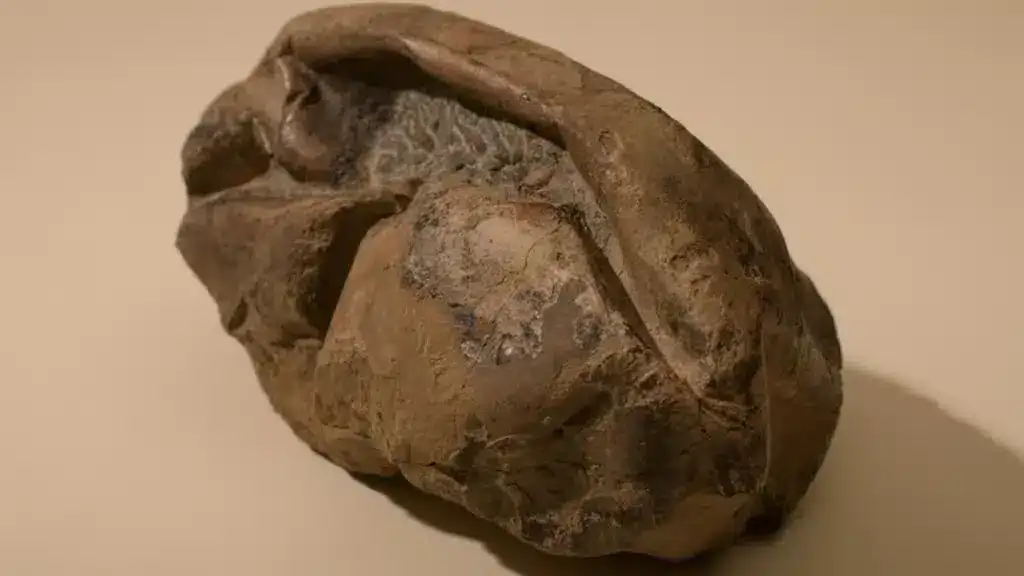
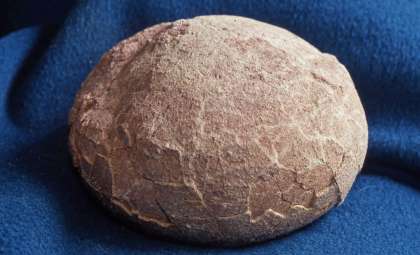
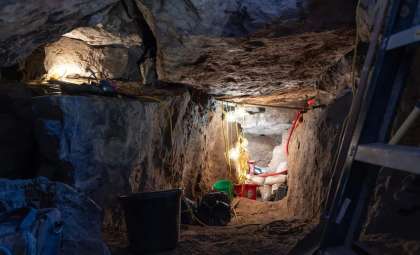
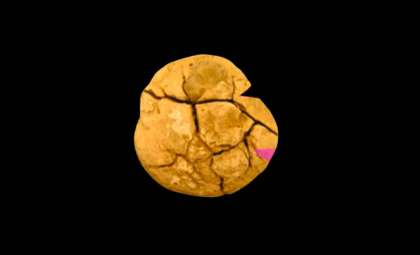
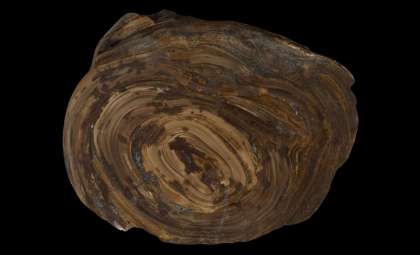
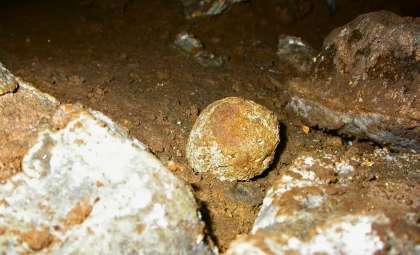
The specimen was originally found in 2011 by researchers in Chile at a site abundant with marine reptile fossils. Its odd shape and absence of embryonic remains made it resemble a deflated football, earning it the nickname “The Thing” for years. It wasn’t until 2018 that University of Texas paleontologist Julia Clarke hypothesized it was a soft-shelled egg.

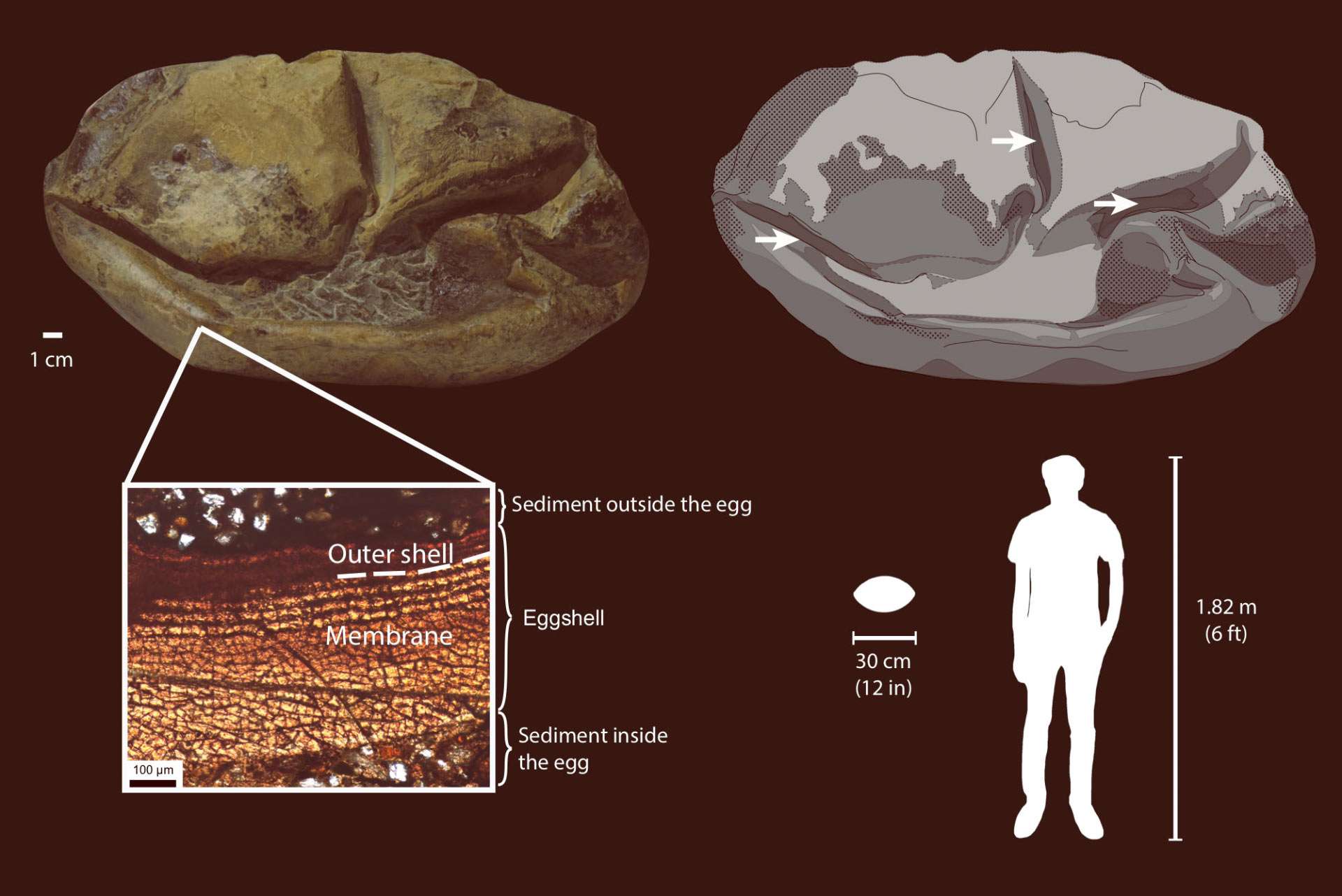
To explore this further, lead author Lucas Legendre of the University of Texas at Austin conducted extensive microscopic structural examinations. Their findings shed light on a reproductive mode previously unknown among large marine reptiles from the Late Cretaceous, around 66 million years ago.
Measuring over 11 by 7 inches, this fossil represents the largest soft-shell egg ever documented. Its delicate, layered membrane lacks the rigidity typical of dinosaur eggs. Legendre notes its texture resembles that of eggs from modern snakes and lizards, although the parent animal was likely a massive reptile exceeding 20 feet in length, not counting the tail.
Unearthed Near a Possible Marine Nursery
The egg fossil was found alongside juvenile mosasaur and plesiosaur remains, implying the location might have served as a nursery area. Researchers suggest this Antarctic site was once a shallow, protected cove where young marine reptiles could thrive safely. As Legendre stated:
“many authors have hypothesized that this was sort of a nursery site with shallow protected water.”
The discovery of adult fossils nearby further supports the hypothesis that this environment played a vital role in nurturing hatchlings. Although the fossil egg itself was empty, the surrounding remains help reconstruct reproductive behaviors in polar regions during the Late Cretaceous.
Was Egg Laying Aquatic or Terrestrial?
One unanswered question is how a reptile of this size managed to lay such a large soft-shelled egg. Scientists hypothesize two possibilities: the animal either deposited eggs directly into the open ocean, like some modern sea snakes, or hauled itself partially onto land to nest, akin to sea turtles. The latter scenario is complicated by the creature's immense size.
“We can’t exclude the idea that they shoved their tail end up on shore because nothing like this has ever been discovered,” said Professor Clarke.
Either possibility reveals reproductive habits never before recorded for large marine reptiles from this era, indicating these creatures may have exhibited much greater adaptability than previously assumed.
- Categories:
- News

0 comments
Sign in to Comment