
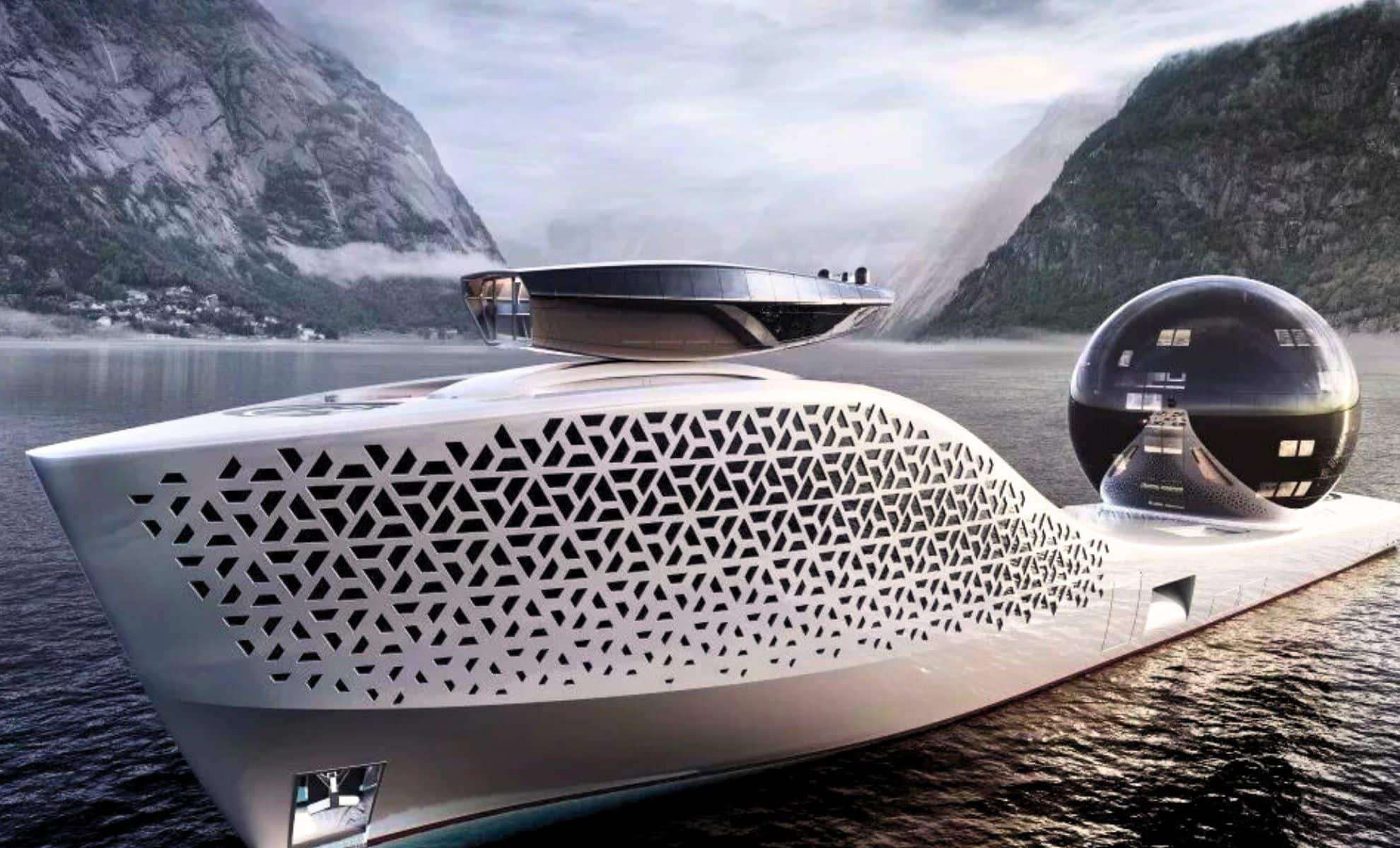
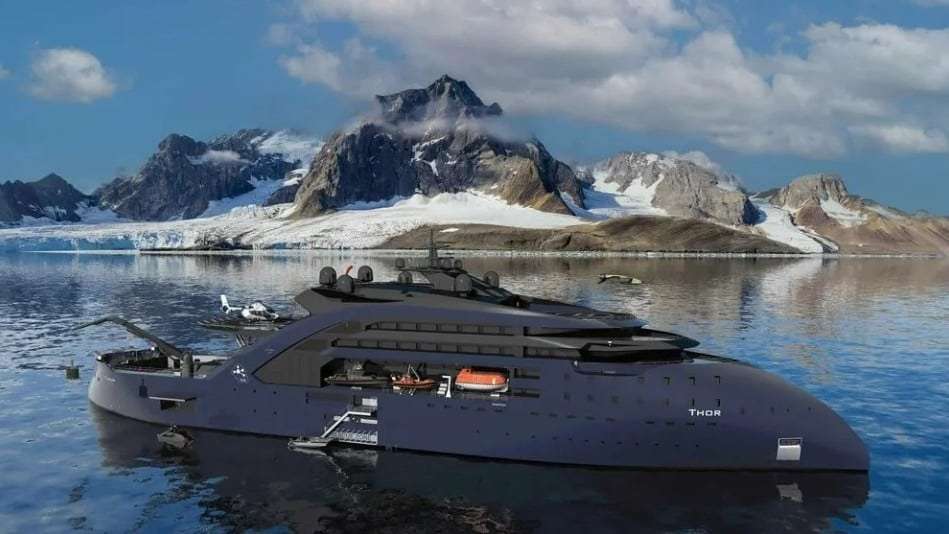
The luxury yachting sector is poised for a groundbreaking innovation with Thor, a 500-foot superyacht equipped with a nuclear power system that aims to transform environmental standards and technological capabilities. Conceived by Norway’s Ulstein Group, this state-of-the-art vessel is designed to serve dual roles as an advanced marine research platform and a floating clean energy source supporting other ships in hard-to-reach regions.
A Breakthrough in Maritime Power
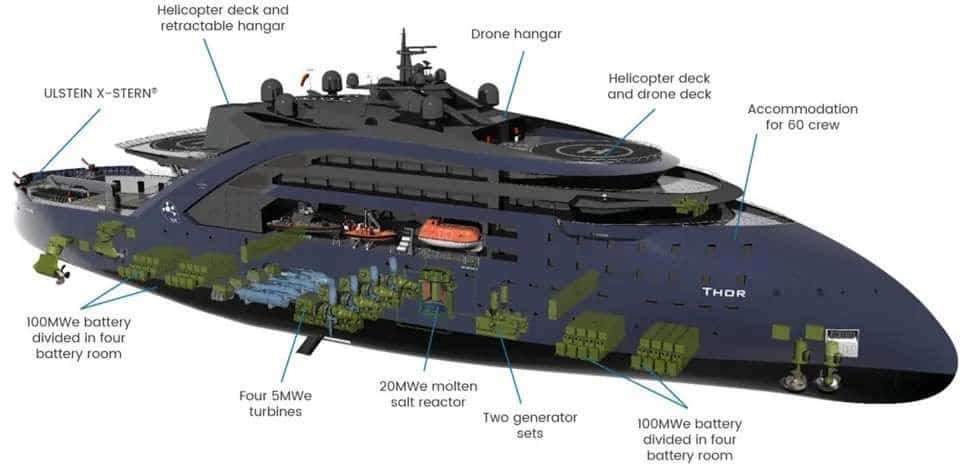
Departing from conventional superyachts that typically depend on fossil fuels or emerging eco-friendly alternatives, Thor is fueled by a nuclear reactor delivering 20 megawatts of clean power. This bold endeavor signals a significant advancement in sustainable ocean travel, with Ulstein Group strongly advocating that nuclear energy offers superior long-term advantages over hydrogen, ammonia, and other alternative sources.
However, adapting nuclear technology for use aboard a compact vessel presents considerable engineering challenges. As Øyvind Gjerde Kamsvåg, Ulstein’s lead designer, points out:

“How can you ensure that hydrogen is manufactured in an eco-friendly way? Where do you find green ammonia? Alternative fuels all have their limitations, but I believe the benefits of nuclear power would far surpass those of the alternatives.”
An Innovative Platform for Clean Power Distribution
More than just a luxury vessel, Thor is designed as an energy hub at sea. It will act as a mobile power station capable of charging up to four other ships daily in isolated locations such as the Antarctic.
Additionally, the yacht is outfitted to support search and rescue efforts, scientific research, and extended expeditions, defining it as an exceptionally versatile craft. Through Ulstein’s Sif technology, which allows fully electric expedition vessels to recharge from Thor, the company envisions establishing a novel maritime clean energy network.
Overcoming the Obstacles of Nuclear-Powered Yachts
Despite its visionary design, Thor confronts numerous challenges. The use of nuclear power remains highly regulated and controversial, especially in maritime contexts. Ensuring safety while miniaturizing a nuclear reactor for a superyacht remains a formidable task.
Another critical consideration is staffing. Managing a nuclear-powered yacht requires expert crews with specialized training, potentially making operations more expensive and complex. Nevertheless, Ulstein is optimistic about solving these issues.
The Next Frontier: Nuclear Energy on the Water
Ulstein Group isn’t alone in pursuing nuclear propulsion for yachts. Iddes Yachts recently revealed plans for Earth 300, a 980-foot scientific megayacht powered by innovative Molten Salt Reactors. This technology promises zero emissions and near-continuous operation, sailing approximately 300 days annually.
Intended as a floating laboratory, Earth 300 would accommodate 160 leading scientists globally, facilitating research into climate change, pollution, and marine ecosystem health. Boasting 22 research labs housed in a 13-story vessel, it represents a pinnacle of maritime scientific design.
Charting a Sustainable Course for the Future
Whether Thor or Earth 300 come to fruition, it’s clear that the landscape of sustainable yachting is rapidly changing. While green alternatives like hydrogen, ammonia, and electrification evolve, nuclear-powered superyachts could redefine marine travel and energy supply.
Currently a visionary concept, Thor could very well spearhead a new wave of clean energy innovation on the seas if brought to life.
- Categories:
- News












0 comments
Sign in to Comment