
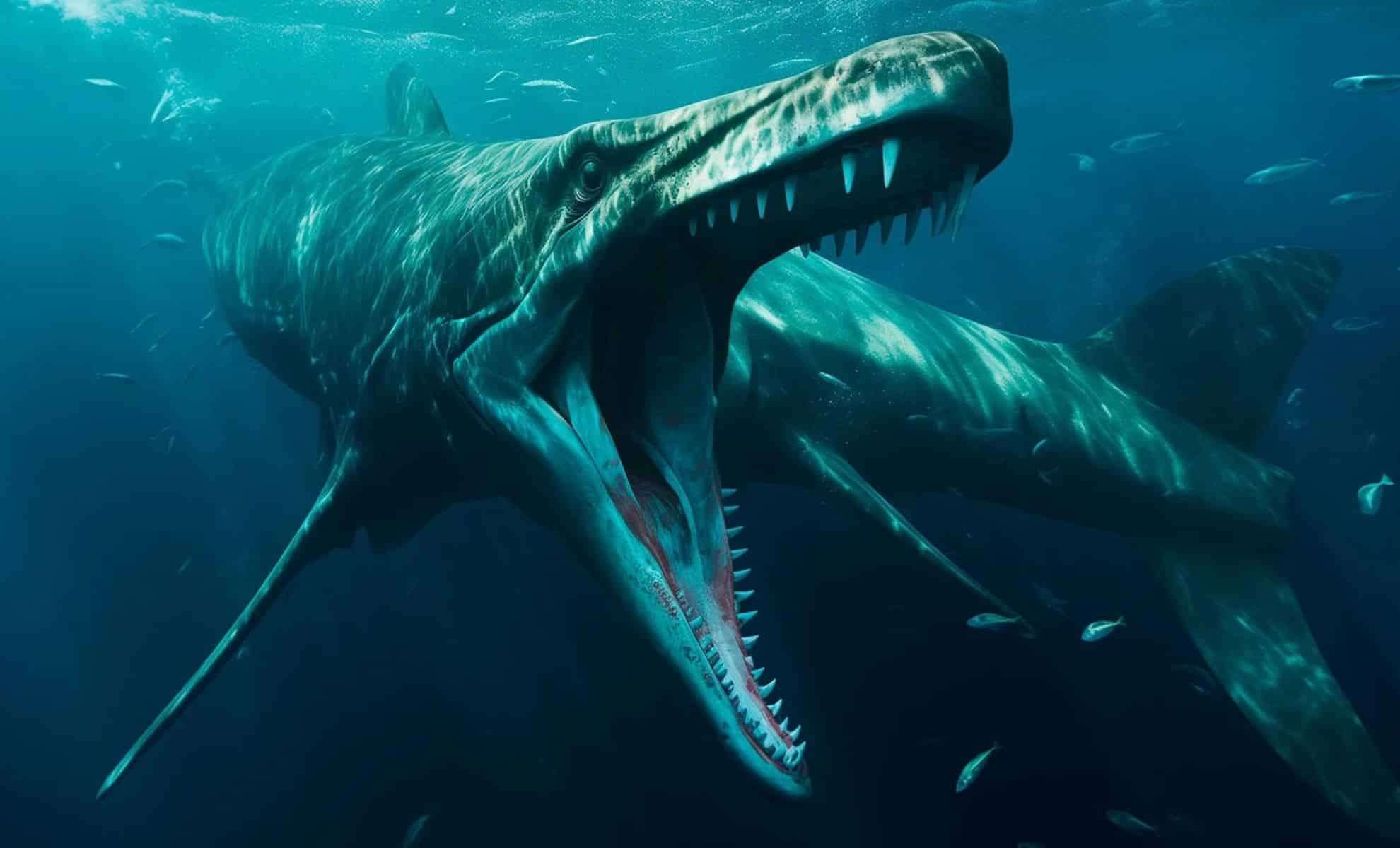
Scientists in Morocco have uncovered an extraordinary fossil revealing new details about Carinodens acrodon, a compact yet highly specialized mosasaur that inhabited oceans during the late Cretaceous era. This well-preserved specimen, including both upper and lower jaws, is the most complete Carinodens acrodon fossil discovered so far and offers vital information on its feeding habits, behavior, and ecological niche.
This discovery highlights the remarkable diversity among mosasaurs, demonstrating how these ancient marine reptiles adapted distinct features to fill various environmental roles. It also contributes important knowledge to the understanding of marine life evolution in the Maastrichtian period.
Details of the Fossil Find
The fossil was excavated from late Maastrichtian geological layers in Morocco and marks a significant step forward in paleontology. Unlike previous, often fragmentary Carinodens specimens, this one includes a nearly complete set of jaws that allow scientists to study the creature’s distinctive dental structure closely.

Overview of the Fossil's Characteristics
Distinctive Features of Carinodens acrodon’s Teeth
Recent research has revealed how the dental structures of Carinodens acrodon set it apart from other mosasaur species. Early mosasaurids possessed simple teeth suited to catching small prey like fish and soft-bodied cephalopods.
“Early, basal mosasaurids had small, conical, and recurved teeth, an adaptation for preying on relatively small prey such as fish and soft-bodied cephalopods,” University of Bath paleontologist Nicholas Longrich and his colleagues wrote in a paper in the journal Diversity.
In contrast, the later mosasaurs developed a wide variety of teeth shapes tied to different dietary habits.
“By the end of the Cretaceous, mosasaurids had evolved highly diverse tooth morphologies,” the researchers noted.
This variety ranged from large, pointed teeth used for seizing prey to blade-like teeth for slicing, and strong, rounded teeth adapted to crush shelled invertebrates. Carinodens acrodon is especially distinct because of its unique dental adaptations that allowed it to specialize in certain feeding strategies.
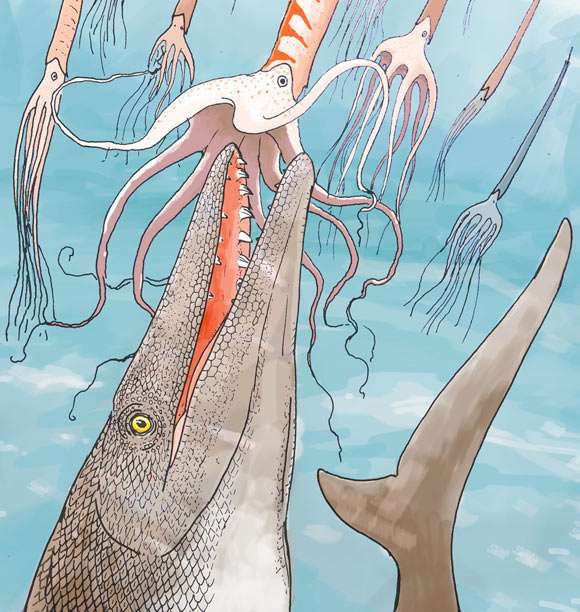
What Distinguishes Carinodens acrodon?
The mosasaur Carinodens acrodon represents an exceptional evolutionary branch, characterized by its smaller size, elongated jaw structure, and distinctive teeth that differentiated it from its peers.
“Some of the most unusual tooth morphologies are seen in the durophagous mosasaurid genus Carinodens, a highly specialized mosasaurine appearing worldwide in the Maastrichtian age,” the paleontologists explained.
The species’ teeth were particularly adapted to crack tough shells of prey like mollusks and crustaceans.
“Carinodens is characterized by relatively small size, long and slender jaws, and a tooth morphology that is unique among mosasaurids, or other vertebrates,” they wrote.
These teeth had features such as a low profile, a long base running from front to back, a compressed form from side to side, and finely interwoven enamel.
“Carinodens acrodon is characterized by teeth with tall crowns, triangular apices, and broad bases,” the paper elaborated.
Evolutionary and Ecological Implications
The fossil also provides evidence of how primitive traits persisted in some mosasaurs. While Carinodens acrodon retained ancestral characteristics, it lived alongside more evolved relatives like Carinodens minalmamar and Carinodens belgicus.
“Many of the diagnostic features of this species appear to be plesiomorphies, suggesting the persistence of a primitive species of Carinodens into the latest Maastrichtian alongside the more derived Carinodens minalmamar and Carinodens belgicus,” the authors observed.
The completeness of this fossil has greatly expanded scientific comprehension of this elusive genus.
“It is also the first Carinodens known with well-preserved upper and lower jaws, helping to expand our knowledge of this enigmatic animal,” the researchers added.
This finding highlights the remarkable adaptability of mosasaurs, illustrating their dominance in marine ecosystems through specialized evolutionary paths during the late Cretaceous.
- Categories:
- News











0 comments
Sign in to Comment