

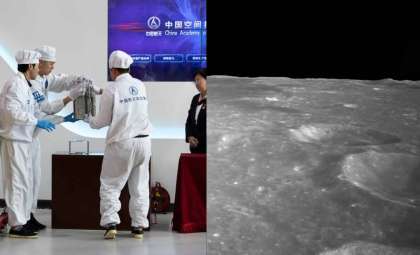
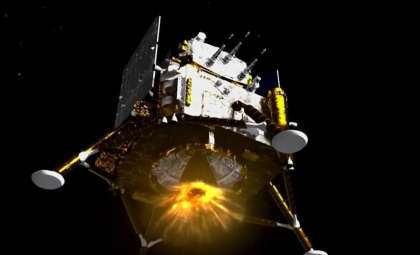
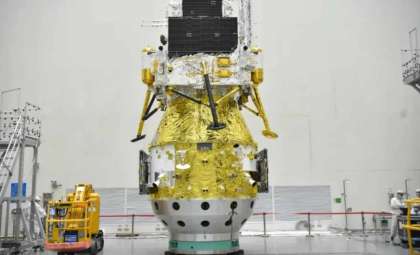
The Chang’e-6 spacecraft from China has marked a major achievement in space exploration by delivering the first samples ever retrieved from the Moon’s far side. This robotic mission gathered 1.9 kilograms (4.2 pounds) of lunar soil from the South Pole–Aitken Basin, a vast and ancient impact site. These newfound samples have unlocked unprecedented information about the volcanic past of the Moon, revealing striking differences in the geological development of its near and far hemispheres.
Exploring the Moon’s Dual Nature
The Moon presents a dramatic geological contrast between its near side, visible from Earth, and its far side. The near side is dominated by expansive volcanic plains known as mare basalts, formed by ancient lava flows covering around 30% of that hemisphere’s surface. In contrast, mare basalts make up only about 2% of the far side. This irregular distribution, called the lunar dichotomy, has baffled experts for years. The arrival of physical samples from the far side by Chang’e-6 is now illuminating this longstanding puzzle.
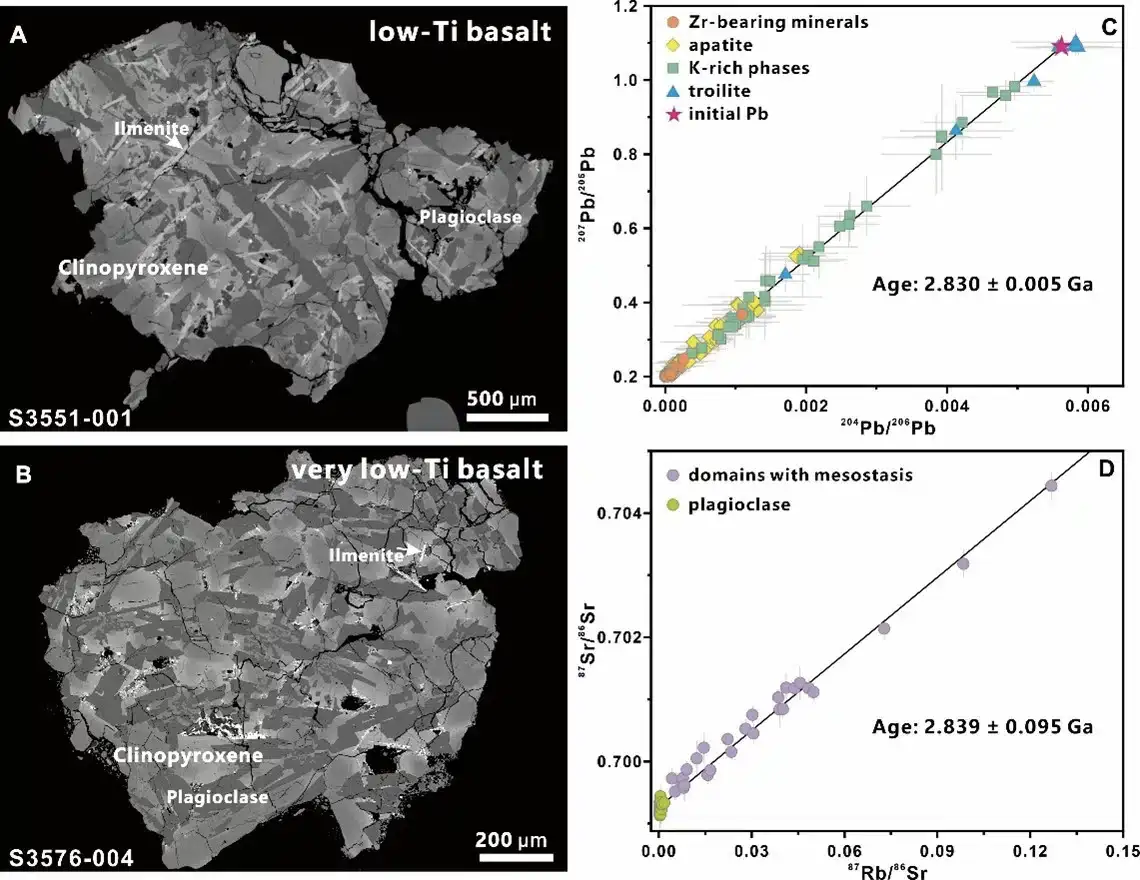
Sample analysis uncovered two basalt varieties: low-titanium (low-Ti) and very-low-titanium (VLT) basalts. Scientists believe the low-Ti variant stems from the immediate landing area, while the VLT basalt originated nearby. These findings indicate notable disparities in the Moon’s mantle composition between hemispheres, supporting the idea of a heterogeneous lunar interior. This uneven mantle influenced volcanic activity distinctly across the surface, suggesting the far side’s volcanic past was shaped by geological processes unlike those on the near side.

An additional enigma lies in the far side’s thicker crust and unique relief. Although the South Pole–Aitken Basin, the sampling site, has a thinner crust than adjacent regions, it is overwhelmingly lacking in volcanic fill. This observation implies that variations in crust thickness alone cannot fully explain volcanic discrepancies. Research suggests that the mantle’s chemical makeup may have played a pivotal role in triggering volcanic eruptions on the lunar far side.
Revising Views on Lunar Volcanism
Data from Chang’e-6 has overturned previous ideas about the Moon’s cooling timeline. Expected to have rapidly lost internal heat due to its small size, the Moon instead reveals volcanic rocks dating back 2.8 billion years, indicating volcanic activity persisted for far longer. This persistence prompts fresh inquiries into the mechanisms sustaining this extended volcanism.
Notably, the samples lack KREEP elements—potassium, rare earth elements, and phosphorus compounds known to generate internal heat and drive prolonged volcanic episodes. Their absence hints at alternative, as-yet-unknown processes fueling long-term volcanism on the far side. These results challenge existing lunar geological models largely built on near-side sample analyses from past missions.
The Chang’e-6 rock specimens suggest a layered volcanic history more complex than expected. With fewer radioactive elements in the far side mantle, heat-driven volcanism seems unlikely as the sole cause. Despite this, eruptions spanned over 1.4 billion years, pointing toward alternative internal processes maintaining partial mantle melt. This insight urges a reexamination of how the Moon’s interior influenced its surface development.
Decoding the Moon’s Long-hidden Past
The Chang’e-6 mission marks a scientific breakthrough and heralds a new chapter of lunar study. Returning samples from the far side of the Moon offers a rare window into its geological distinctions from the near side—once veiled in mystery due to its invisibility from Earth. These discoveries are crucial for understanding the unique volcanic and geological narrative of this elusive lunar hemisphere.
The results emphasize the value of sampling diverse lunar landscapes. Earlier expeditions mostly targeted the near side, including the Apollo and Luna programs. While transformative, those missions provided a limited view. In contrast, Chang’e-6 is revealing a much richer and more dynamic picture of the Moon’s evolution. Ongoing research based on these samples is already raising new questions about lunar formation and its place in solar system history.
The mission’s success also underscores promising prospects for future lunar exploration. By extending sample collections to untouched lunar territories, scientists deepen their grasp of the Moon’s story and its relationship with Earth. These advances pave the way for ambitious ventures to other celestial bodies, advancing humanity’s pursuit of understanding cosmic origins and planetary evolution.
- Categories:
- News







0 comments
Sign in to Comment