
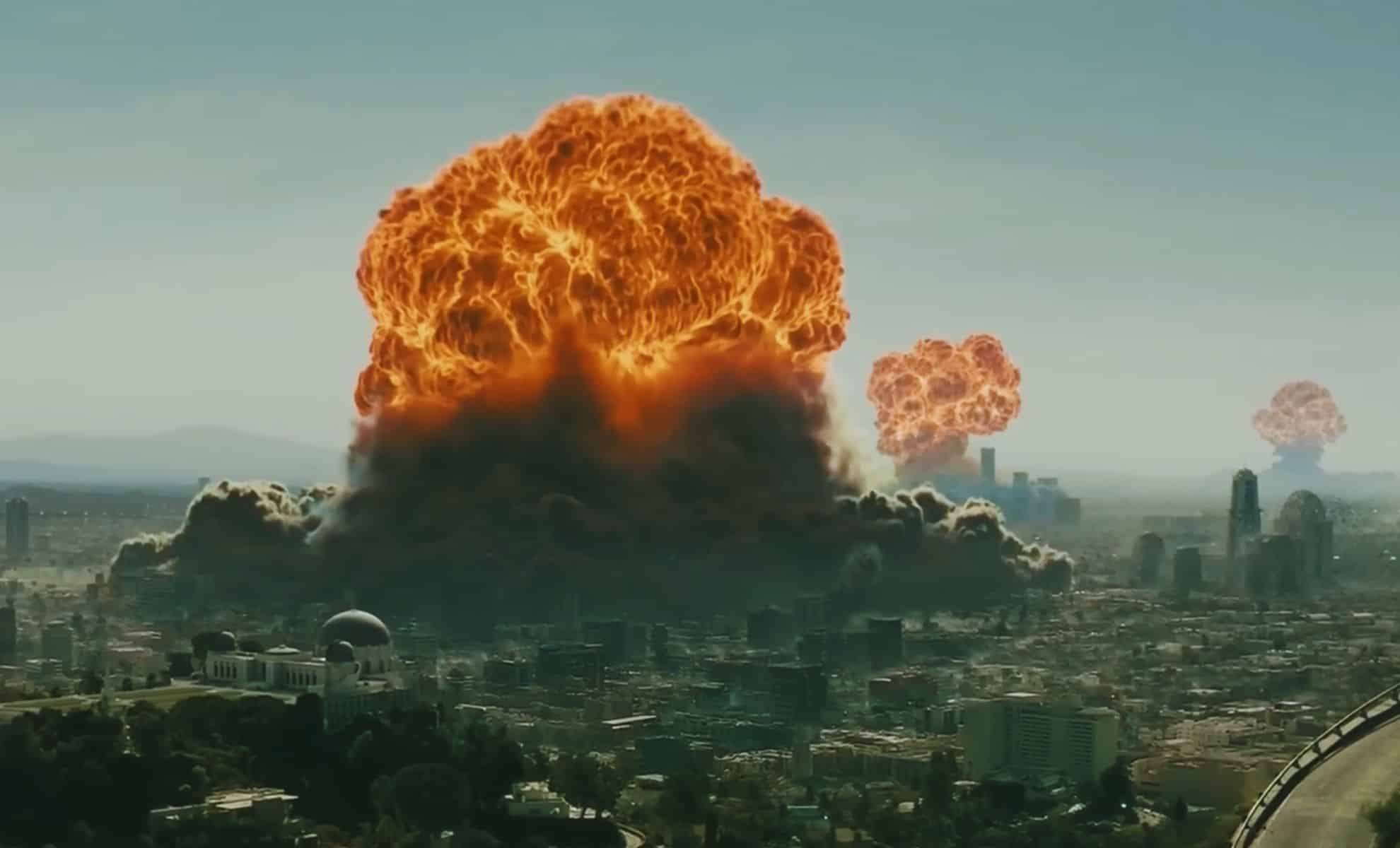
The threat of a nuclear confrontation between the United States and Russia remains a pressing issue in global affairs. Yet, many fail to fully grasp the sheer scale of destruction a single nuclear detonation could bring upon American metropolitan areas. Drawing from the research of nuclear historian Alex Wellerstein, Newsweek illustrates the catastrophic impact if Russia unleashed its most powerful nuclear arms on vital US urban centers.
Russia’s Formidable Arsenal: The SS-18 Satan Missile
A key component of Russia’s nuclear firepower is the R-36M2 missile, known as the SS-18 Satan. With a staggering yield of 20 megatons (20,000 kilotons of TNT), this weapon can cause unparalleled destruction. Targeting American cities with such a missile would lead to massive casualties and wipe out entire urban landscapes instantaneously.
The Devastation Cascade of a Nuclear Explosion
The destructive force of the SS-18 extends far beyond the initial blast. Its fireball could obliterate everything within a 15.1-square-mile radius by vaporizing matter instantly. The ensuing heat would incinerate structures and ignite widespread blazes, while the powerful shockwave would demolish buildings and scatter debris over hundreds of square miles.

Following the explosion, thermal radiation could inflict third-degree burns on individuals several miles from ground zero. The firestorms triggered by the blast would further amplify destruction well beyond the immediate impact zone. Even distant cities like New York and Los Angeles would suffer severe consequences, with thermal radiation endangering populations in adjacent regions.
The Fate of Major American Cities in a Nuclear Fallout
Examining the grim scenario for key US cities reveals the potential scale of devastation:
Washington, D.C.
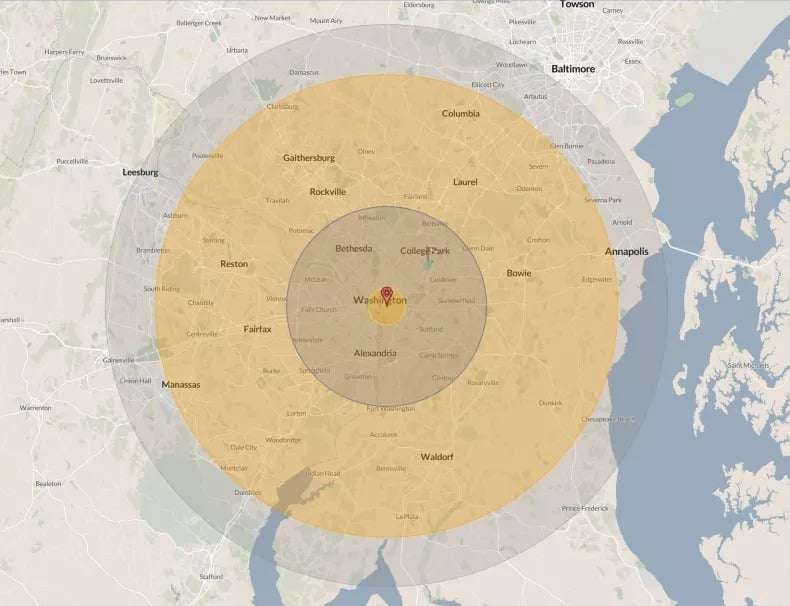
An direct nuclear attack on Washington, D.C. would result in catastrophic fatalities surpassing 1.6 million instantly, with nearly 6 million more affected by fallout. The area within 15.1 square miles would be utterly vaporized due to extreme heat.
The blast’s shockwave would flatten buildings while igniting widespread fires. Intense radiation would cause severe burns to those inhaling the air within several miles, leaving the city as a lethal wasteland with total infrastructure failure and pervasive radiation sickness among survivors.
New York City
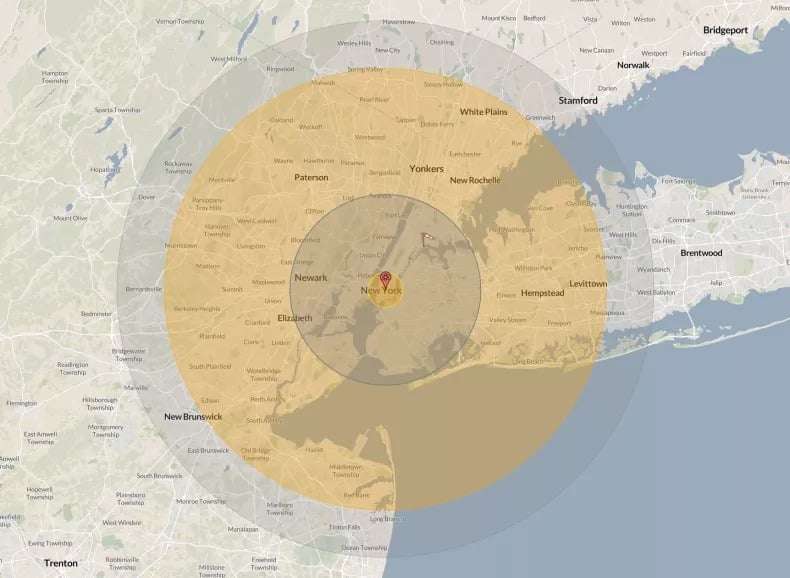
New York City's iconic status offers no protection from nuclear devastation. A blast could kill over 5.4 million people immediately, with destruction spanning the greater metropolitan area. The explosion’s fireball would incinerate all within the target zone, while the shockwave would level buildings and spark major fires.
The intense heat and radiation would extend miles beyond ground zero, causing grievous burns. Post-blast, New York would become a ruin, its inhabitants left desperately struggling for survival.
Los Angeles
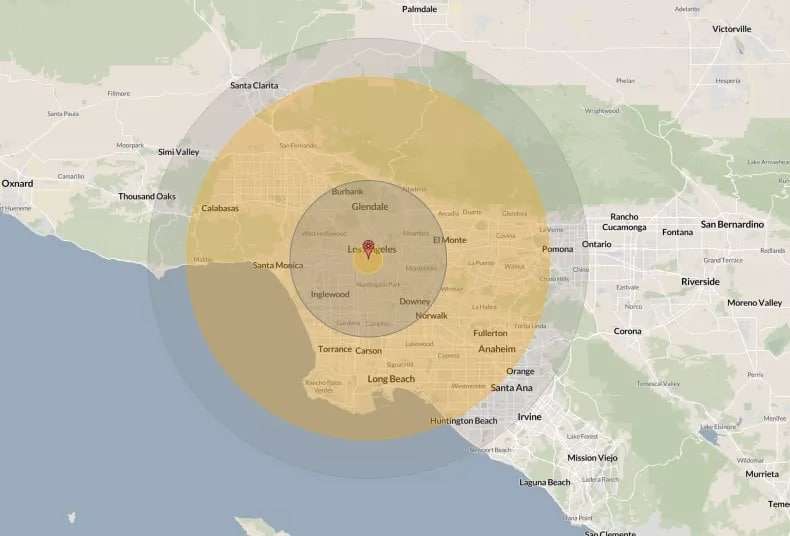
Another large city at risk, Los Angeles would incur massive casualties from a nuclear strike, with an estimated 3.5 million fatalities immediately. The explosion would generate a massive fireball, completely burning everything within a 15.1-square-mile radius. The resulting shockwave would collapse buildings and scatter debris extensively.
The ensuing thermal radiation would inflict severe burns on thousands, causing life-threatening injuries. Survivors would face overwhelming destruction and radiation exposure amid a dismantled city infrastructure.
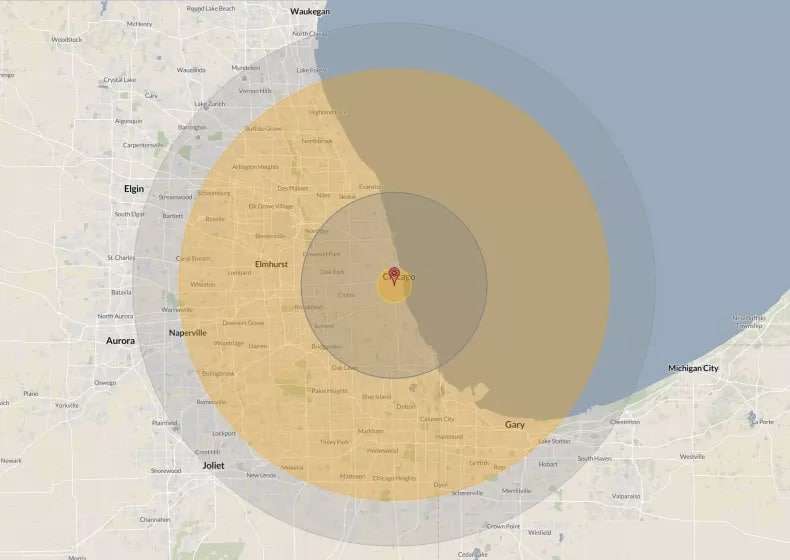
Chicago
Chicago would also suffer immense devastation in such an attack. Millions could be killed or seriously hurt, as the blast zone would be completely razed with buildings demolished and fires raging.
Bursting flames would engulf the city center and nearby neighborhoods, while radiation exposure would cause further casualties. The powerful shockwave could level entire districts, resulting in widespread death and chaos. The aftermath may leave Chicago uninhabitable for years, with casualties possibly exceeding 3 million.
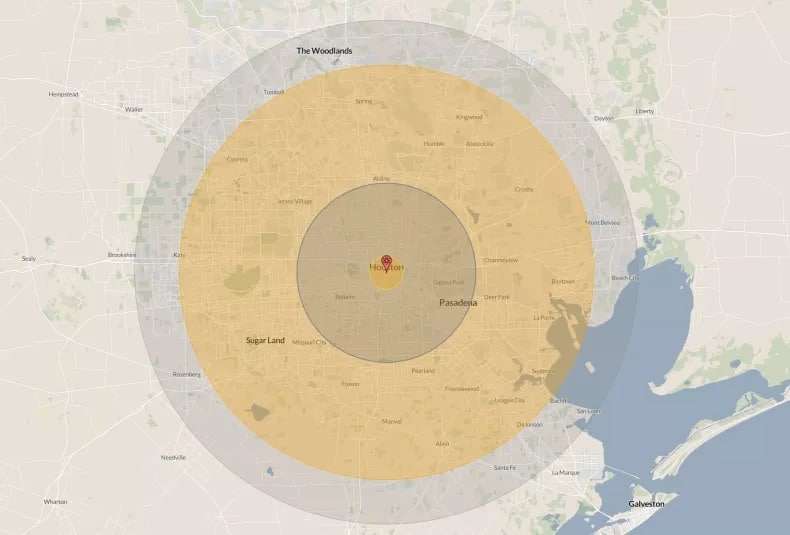
Houston
Houston, a key Texan metropolis, would face overwhelming destruction from a nuclear explosion. Instant fatalities would reach into the millions, with widespread fires sparked by thermal radiation. The shockwave would dismantle buildings and infrastructure throughout the city.
The fallout would spread beyond Houston, inflicting burns and radiation sickness on countless survivors. The city would be left in ruins, with no immediate path to recovery and an incalculable human cost.
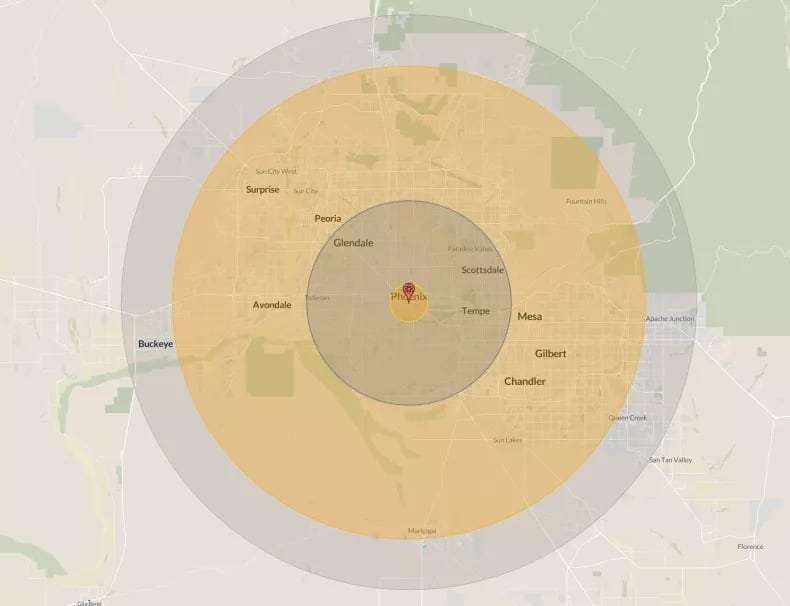
Phoenix
In the southwestern United States, Phoenix would face similarly disastrous effects. The explosion would vaporize everything inside a 15.1-square-mile radius, while the surrounding areas would suffer extensive damage from the shockwave and fires.
Radiation would cause severe third-degree burns far beyond the blast core. The city’s infrastructure would collapse entirely, leading to millions of deaths either from the blast or post-explosion radiation, leaving Phoenix a desolate wasteland.
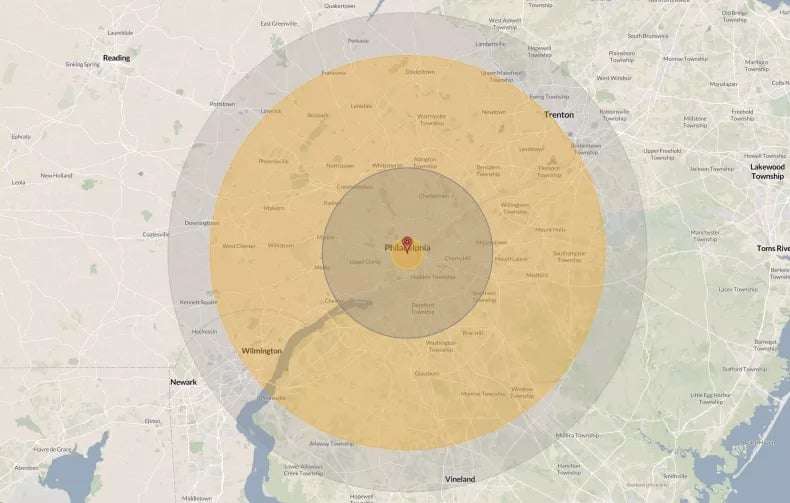
Philadelphia
A nuclear attack on Philadelphia would unleash massive destruction, killing over 2 million people immediately. The blast would vaporize everything within its radius and the surrounding areas would be severely damaged by the shockwave and ensuing fires.
The effects of thermal radiation would cause critical burns and radiation illness to people nearby. Philadelphia’s infrastructure would be demolished, and survival chances for those left behind would be minimal. The city would remain uninhabitable for the long term.
Dallas
Dallas, a major city in Texas, would endure severe destruction in a nuclear event. The thermal radiation would ignite fires throughout the city while the shockwave would demolish buildings and infrastructure.
Immediate deaths would number in the millions, with survivors threatened by radiation exposure and the breakdown of essential services. Fallout would affect neighboring regions, impeding any chance for recovery. Dallas would be left devastated beyond recognition.
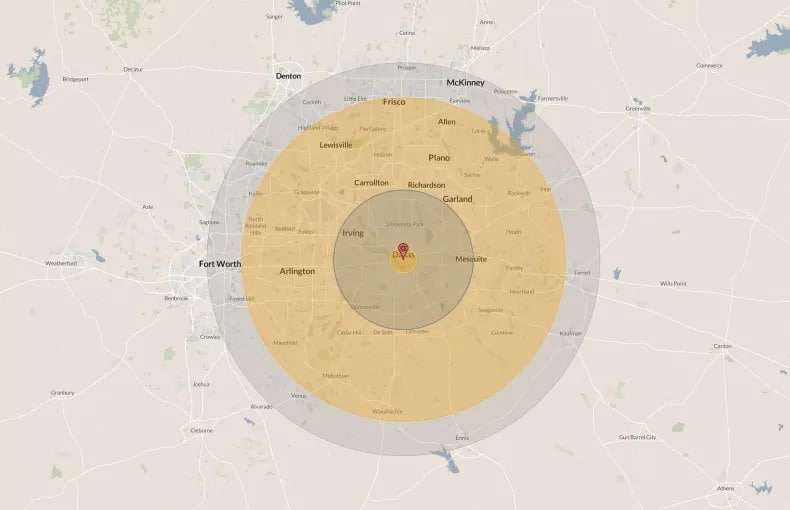
These scenarios provide a sobering and frightening insight into what a nuclear strike on America’s largest cities could entail. The destruction would be historic, with millions lost and entire urban areas turned into unlivable zones.
Aside from the immediate fatalities, long-term suffering from radiation poisoning, environmental damage, and infrastructure collapse would be catastrophic. Such dire prospects underscore the critical need for diplomatic efforts and global measures to prevent nuclear conflict.
- Categories:
- News









0 comments
Sign in to Comment