

Researchers have uncovered fossilized strands of human hair estimated to be between 195,000 and 257,000 years old within the fossilized feces of brown hyenas at Gladysvale Cave in South Africa. Led by Lucinda Backwell, the investigation marks the first time that ancient human organic material—beyond bones—has been recovered from such an early era. Published in the Journal of Archaeological Science, this discovery surpasses the previous oldest known human hair find, which was about 9,000 years old from a Chilean mummy, by nearly 200,000 years.
Uncovering the Ancient Fibers
According to Backwell, the exceptional preservation of these fragile hairs was possible due to the combination of the hyena coprolites’ high calcium levels and calcium-rich mineral deposits trickling from the cave ceiling, creating an ideal environment for fossilization. The hairs may originate from archaic human species such as Homo heidelbergensis or early modern humans, although their precise origins remain uncertain.
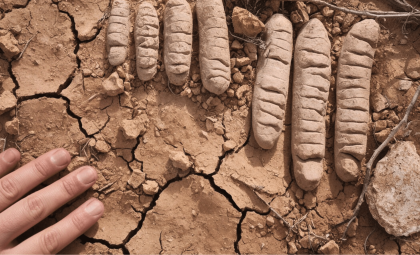
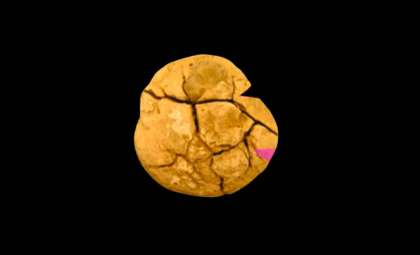
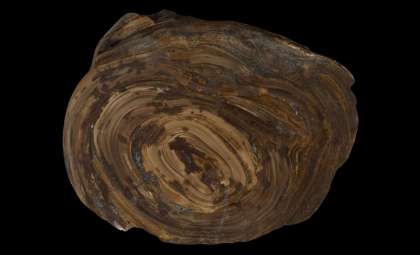
The research team extracted a 9.8-inch block of fossilized hyena dung from a latrine used exclusively by a single hyena within the cave. These latrines typically span around six feet in diameter. Carefully, the scientists separated 40 individual hairs from this single sample using delicate tweezers. Despite the inability to conduct DNA or protein tests, microscopic analysis revealed the hairs’ size, morphology, and scale patterns were consistent with human hair, according to Backwell.

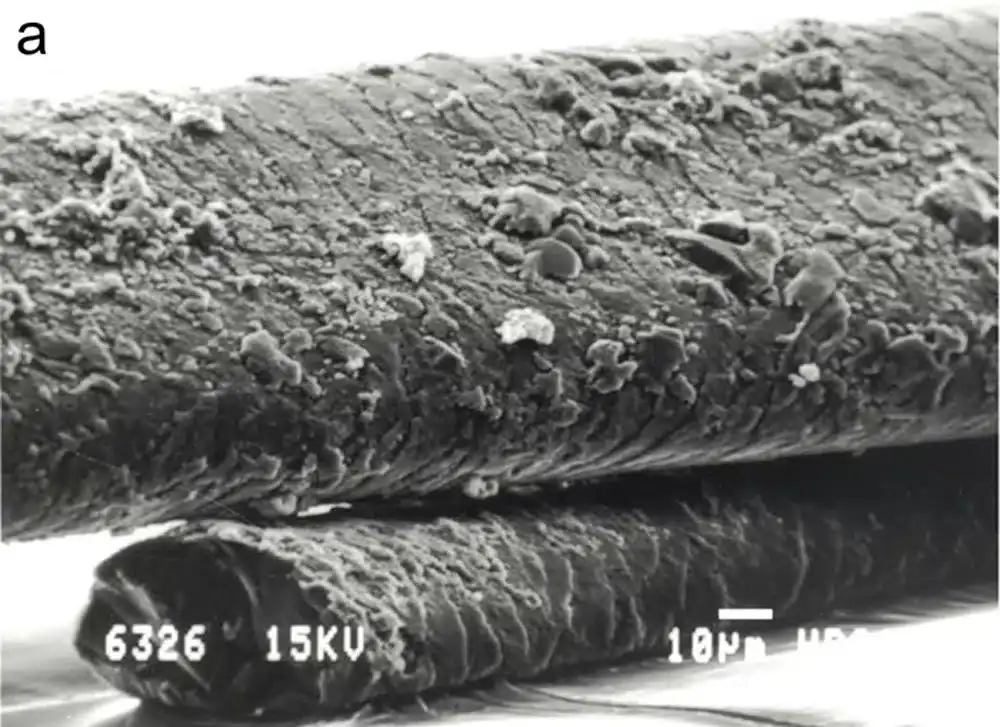
Extending the Record of Human Hair Preservation
Previously, the oldest known human hairs dated back roughly 9,000 years. The Gladysvale hair samples originate from a time when archaic humans roamed Africa alongside emerging anatomically modern humans. Because the hyena digestive process altered the hair’s chemical composition, it is not possible to determine hair color or texture. Nevertheless, this discovery sets a new benchmark for the preservation of ancient human keratin material.
These fossilized hairs also shed light on the interactions between early humans and their predators. As noted by Randy Susman, a Stony Brook University professor, the evidence suggests that hominins occasionally fell prey to hyenas or were opportunistically scavenged by them. Anthropologist Bernard Wood described the finding as “a great mystery with surprising clues,” likening it to a crime scene where, instead of blood, the hyenas have left behind evidence of “hair in their poop!”
While future advancements may help scientists uncover more details about the identity and lifestyle of these ancient individuals, this remarkable discovery offers a rare, tangible link to humans who lived hundreds of thousands of years ago.
- Categories:
- News







0 comments
Sign in to Comment