
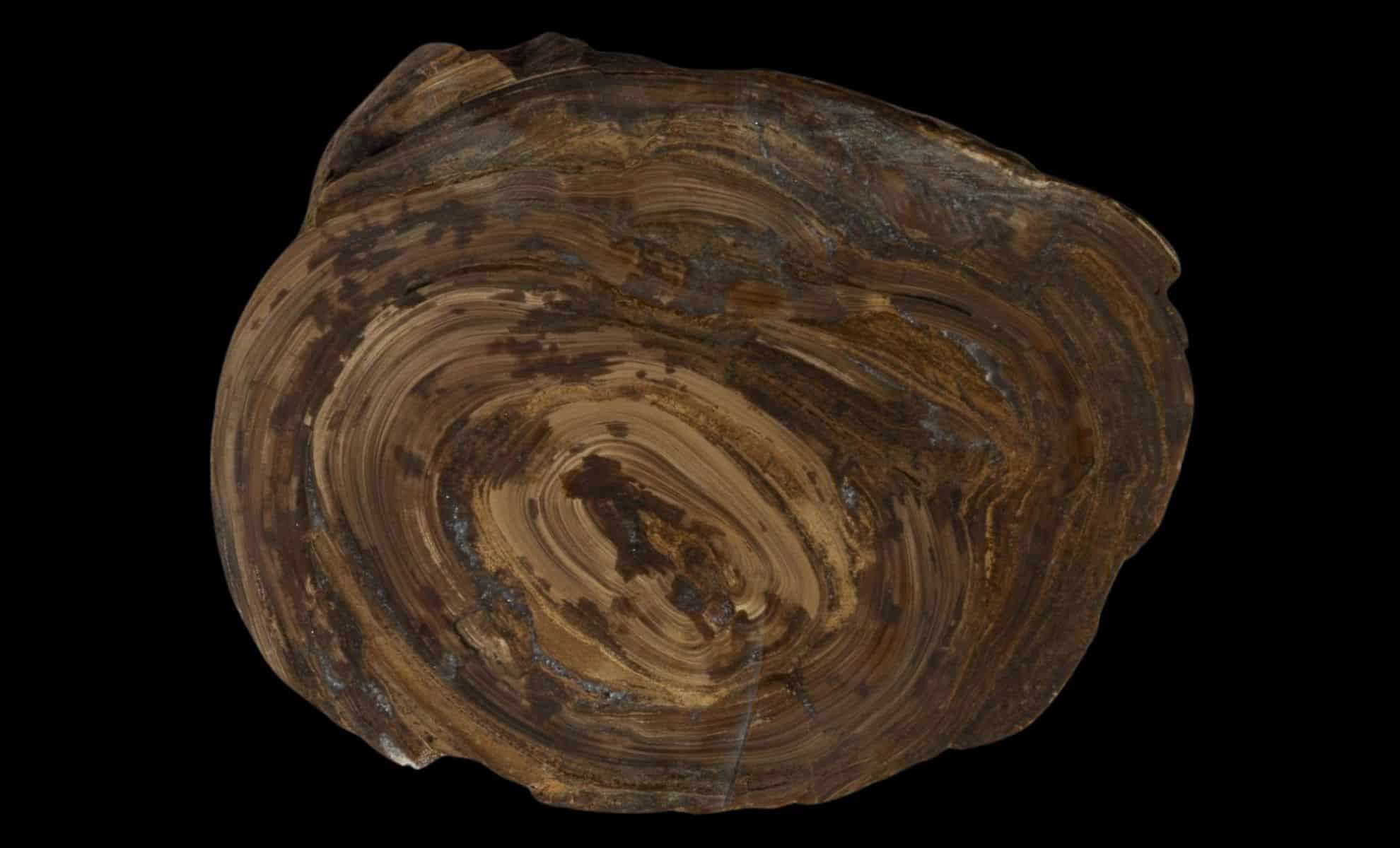
Paleontologists have identified what is believed to be the world’s earliest known stomach stone fossil, estimated to be around 150 million years old. This extraordinary artifact was found along England’s famous Jurassic Coast, a UNESCO World Heritage Site celebrated for its rich geological timeline extending through the Triassic, Jurassic, and Cretaceous periods. The findings were recently published in a peer-reviewed study in the Journal of the Geological Society.
Exceptional Find Along England’s Jurassic Coast
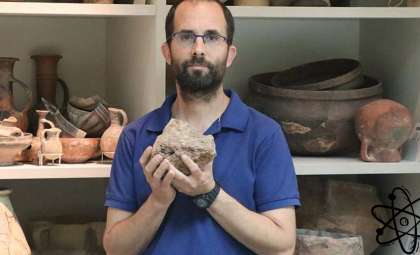
The Jurassic Coast, a UNESCO World Heritage Site extending close to 100 miles from East Devon to Dorset, is famed for its continuous geological record spanning the Triassic to Cretaceous periods. It was here, near Kimmeridge in Dorset, that Dr. Steve Etches MBE uncovered this ancient stomach stone, pushing back the fossil history of gastroliths, including stomach and bladder stones, by nearly 59 million years.
Gastroliths, stones formed within the digestive systems of various animals, present identification challenges when detached from skeletal remains. According to Nigel Larkin, a paleontologist and Visiting Research Fellow at the University of Reading, “Unless stomach stones are actually found preserved within a skeleton, it is almost impossible to tell what sort of animal it might have formed inside.”

Clues About Ancient Marine Reptile Diets
Based on the size of the stomach stone and its stratigraphic placement in Upper Jurassic clay, researchers suggest it originated from a large marine reptile. Larkin speculated it could have come from an ichthyosaur, plesiosaur, pliosaur, or an early crocodilian. He emphasized the significance of the discovery, noting that it was not related to dinosaurs, which were land-dwelling creatures: “The stomach stone did not come from a dinosaur – as dinosaurs lived on land – but this is still a very exciting and rare discovery.”
Microscopic examination led by Dr. Ivan Sansom, Senior Lecturer in Palaeobiology at the University of Birmingham, validated the fossil’s composition and texture, confirming it as an authentic gastrolith formed inside a digestive tract.

How Fossilised Gastroliths Enhance Understanding of Prehistoric Life
Discovering this ancient stomach stone provides fresh insights into the feeding and digestive behaviors of Jurassic marine reptiles. It suggests these animals, much like some present-day species, utilized gastroliths to aid in grinding food or regulating buoyancy underwater.
Thanks to the exceptional preservation and age of this fossil, it offers paleontologists a rare window into the physiology and habits of marine species that lived 150 million years ago. The Jurassic Coast, with its continuous sedimentary deposits, remains a treasure trove for discoveries that deepen our understanding of ancient ecosystems and evolutionary history.
- Categories:
- News







0 comments
Sign in to Comment