
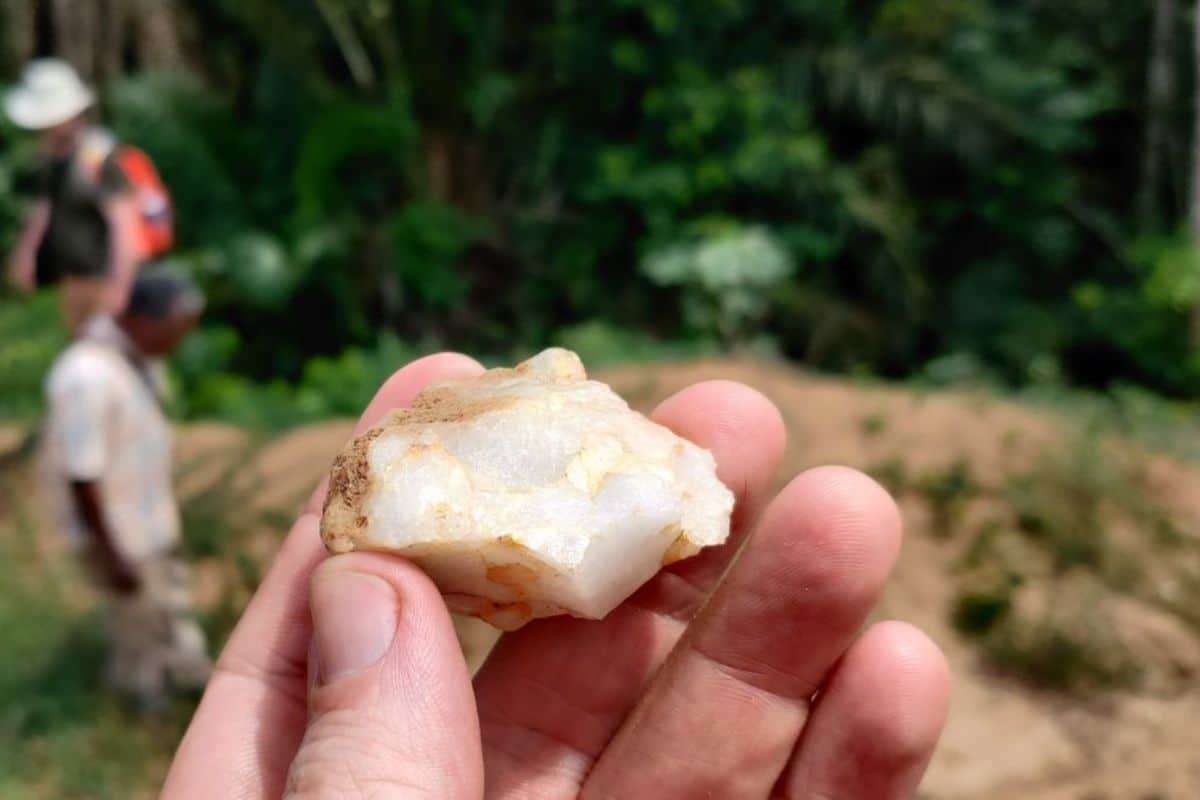
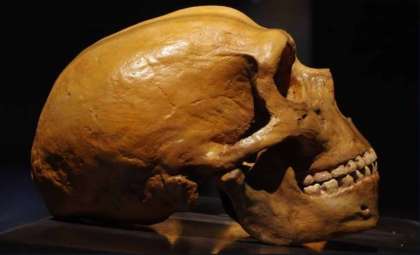
Fresh discoveries from West Africa are altering our perspective on how early humans migrated and adapted, challenging previous beliefs about the habitats they occupied. A new report published in Nature reveals that early humans inhabited tropical rainforests much earlier than thought. Excavations in Ivory Coast have yielded stone tools dating back 150,000 years, significantly extending the timeline of human presence in these lush, humid environments by almost 100,000 years. This evidence points to early humans adapting to and utilizing rainforest resources, challenging the notion that they were bound to open savanna landscapes.
A Groundbreaking Revelation in Human Evolution
Until recently, the oldest evidence of humans dwelling in rainforests was limited to about 70,000 years ago in Asia and roughly 18,000 years ago in Africa. The prevailing consensus was that Homo sapiens preferred open habitats due to the difficulties posed by dense forests, such as limited food availability and thick vegetation.
But the Bété I site in West Africa offers new insights. Employing optically stimulated luminescence (OSL) dating, which measures the last time artifacts were exposed to natural light, researchers established the artifacts' age at around 150,000 years. This discovery implies a far earlier and more versatile human occupation of rainforest environments than previously recognized.

Techniques For Dating the Ancient Artifacts
Finding these tools in a dense rainforest setting highlights the innovative survival tools early humans developed. Unlike open plains, rainforests challenge hunters with obstructed views, seasonal food scarcity, and numerous predators.
Analysis indicates that the ancient humans fashioned tools designed for hunting small creatures, processing various plant materials, and perhaps constructing shelters. The discovery of remains like Hunteria and oil palm, plants typical of humid tropical forests, further confirms the rainforest's long-standing presence in this area 150,000 years ago.
Reframing Early Human Movement Across Landscapes
These findings question the traditional idea that Homo sapiens originated strictly in African grasslands before spreading to other regions. Instead, it appears early humans adapted successfully to varied environments concurrently.
“The evidence suggests humans did not emerge from a single location in Africa,” states lead author Eslem Ben Arous of the Max Planck Institute of Geoanthropology. “Our data supports this broader, more complex evolutionary landscape.”
Adaptations Required for Rainforest Survival
Surviving in rainforest contexts demands different strategies compared to open savannas. Dense vegetation complicates hunting, the availability of food fluctuates with seasons, and threats from predators are constant.
Nonetheless, the data from Bété I suggests early humans overcame these obstacles, likely sustaining themselves on a varied diet including fruits, nuts, tubers, and small animals.
The creation of specialized tools further attests to their behavioral flexibility. According to Ben Arous, this study may transform how we interpret early human ecological adaptations.
- Categories:
- News







0 comments
Sign in to Comment