
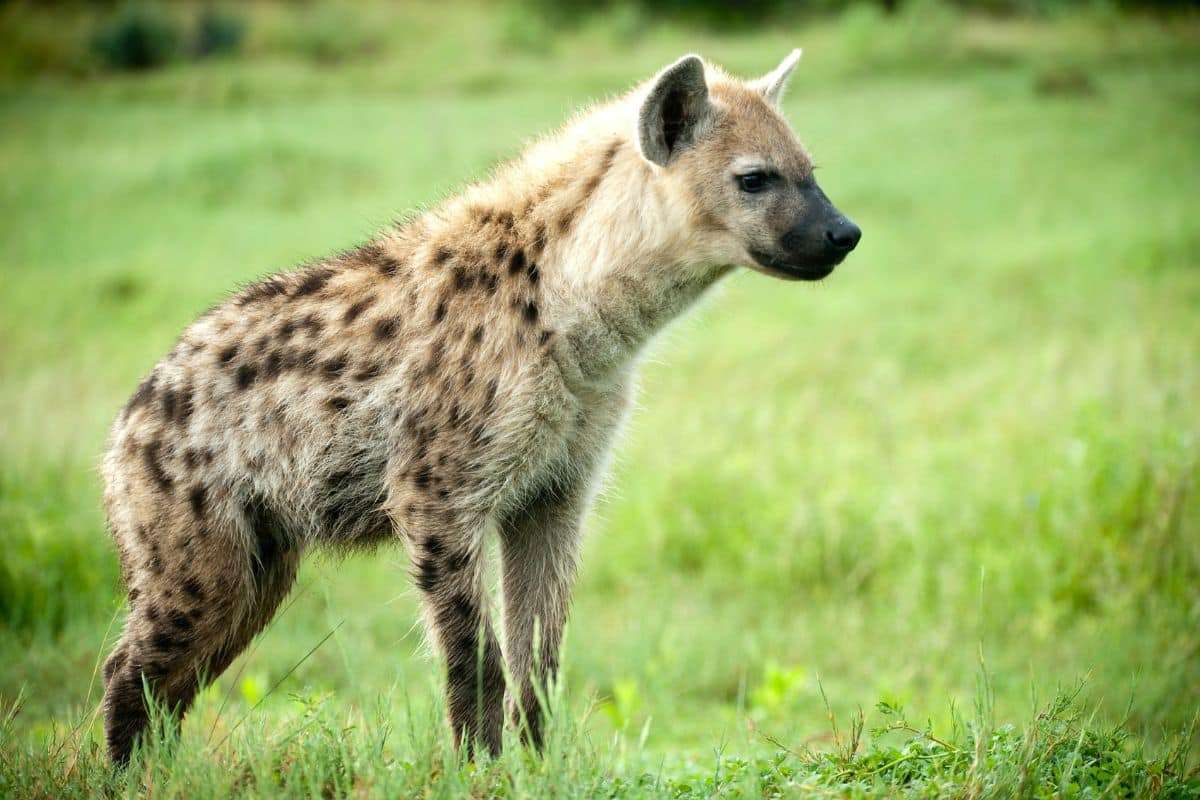
After a hiatus of more than five thousand years, a spotted hyena (Crocuta crocuta) has been sighted in Egypt, marking a rare and significant occurrence in the country’s natural history. This lone predator was found within the secluded boundaries of the Elba Protected Area, prompting new discussions on the species’ historical range and the environmental changes fueling its unexpected return.
Revival of a Vanished Carnivore
Historically prevalent across North Africa, the spotted hyena vanished from Egypt's landscapes millennia ago. Its populations were considered restricted to sub-Saharan regions, with no prior confirmed encounters in Egypt until this moment. The breakthrough happened in February 2024 when local herders witnessed the hyena preying on and killing two goats.
Dr. Abdullah Nagy, who spearheaded a research article in Mammalia, revealed his astonishment at the finding: “The evidence was truly surprising and defied our expectations for Egypt’s fauna.” Photographs and GPS coordinates collected from the event definitively verified the presence of a spotted hyena in Egypt, a first in recorded documentation.

Against the Odds: A Northward Trek
This incident sparks an intriguing question: what enabled the hyena to traverse more than 500 kilometers northward from its established habitat in Sudan? Spotted hyenas are known for their adaptability and survival skills, capable of traveling up to 27 kilometers daily while hunting or scavenging.
Scientists analyzed satellite imagery covering nearly 40 years to understand this development better. By utilizing the Normalized Difference Vegetation Index (NDVI), they detected an upward trend in rainfall and greener vegetation across the area during the last five years. This ecological improvement likely made the territory more accommodating for both prey and predator species, allowing wildlife to reclaim formerly inhospitable zones.
Role of Climate Shifts
Climate change seems to be a key factor driving this surprising movement. NDVI data highlighted increasing precipitation in southeastern Egypt, transforming dry areas into lush vegetation corridors. Alongside alterations in local livestock grazing methods, these factors appear to have enabled the hyena’s northern migration.
Dr. Nagy noted the importance of these conditions: “The corridor’s environment has softened, easing passage for the hyena along this natural ‘highway.’ Still, the reasons motivating such a long journey remain an enigma calling for more investigation.”
The broader implications are significant: if these climatic trends persist, Egypt might witness the return of more wildlife, including major predators, reshaping the country’s ecological dynamics.
Encounter with Human Settlements
Sadly, the hyena’s adventure ended in conflict with humans. After attacking livestock in Wadi Yahmib, local herders tracked and killed the animal using a pickup truck. The carcass was photographed and location-tagged for research before being left for scavengers.
This event highlights the persistent clashes between humans and wildlife in rural regions. Egyptian herders, unfamiliar with large carnivores, see such animals as threats to their economic well-being. Unlike communities in parts of the Horn of Africa, where coexistence with hyenas is more established, Egyptian pastoralists lack experience in managing these interactions safely.
Potential Return of Other Predators
The hyena’s sighting raises the intriguing chance that it might not be a one-off occurrence. Other apex predators have also been reported in the region under surprising circumstances. Notably, in 2014, a male leopard (Panthera pardus) was killed in southeastern Egypt after preying on domestic animals, hinting that this area serves as a corridor for carnivore movement.
Changes in herding practices might encourage shifts in predator distribution. The move towards free-range grazing by local farmers allows livestock to roam larger areas, and combined with the improving vegetation, this could facilitate predator range expansions.
Moreover, human-related food sources may attract scavenging species like hyenas. Settlements nearby, including a slaughterhouse in Shalatin, have drawn vultures and other scavengers, suggesting that spotted hyenas might also be lured to these easy food resources.
Challenges Ahead for Hyenas in Egypt
Despite the promising habitat conditions, it is unlikely that spotted hyenas will establish stable populations in Egypt in the near future due to human intolerance for large carnivores.
Where predators are viewed as threats rather than vital ecosystem contributors, they tend to be killed early in their incursions. Conservationists stress that tracking hyenas and assessing their ecological impact could inform strategies to reduce conflicts between humans and wildlife moving forward.
- Categories:
- News












0 comments
Sign in to Comment