
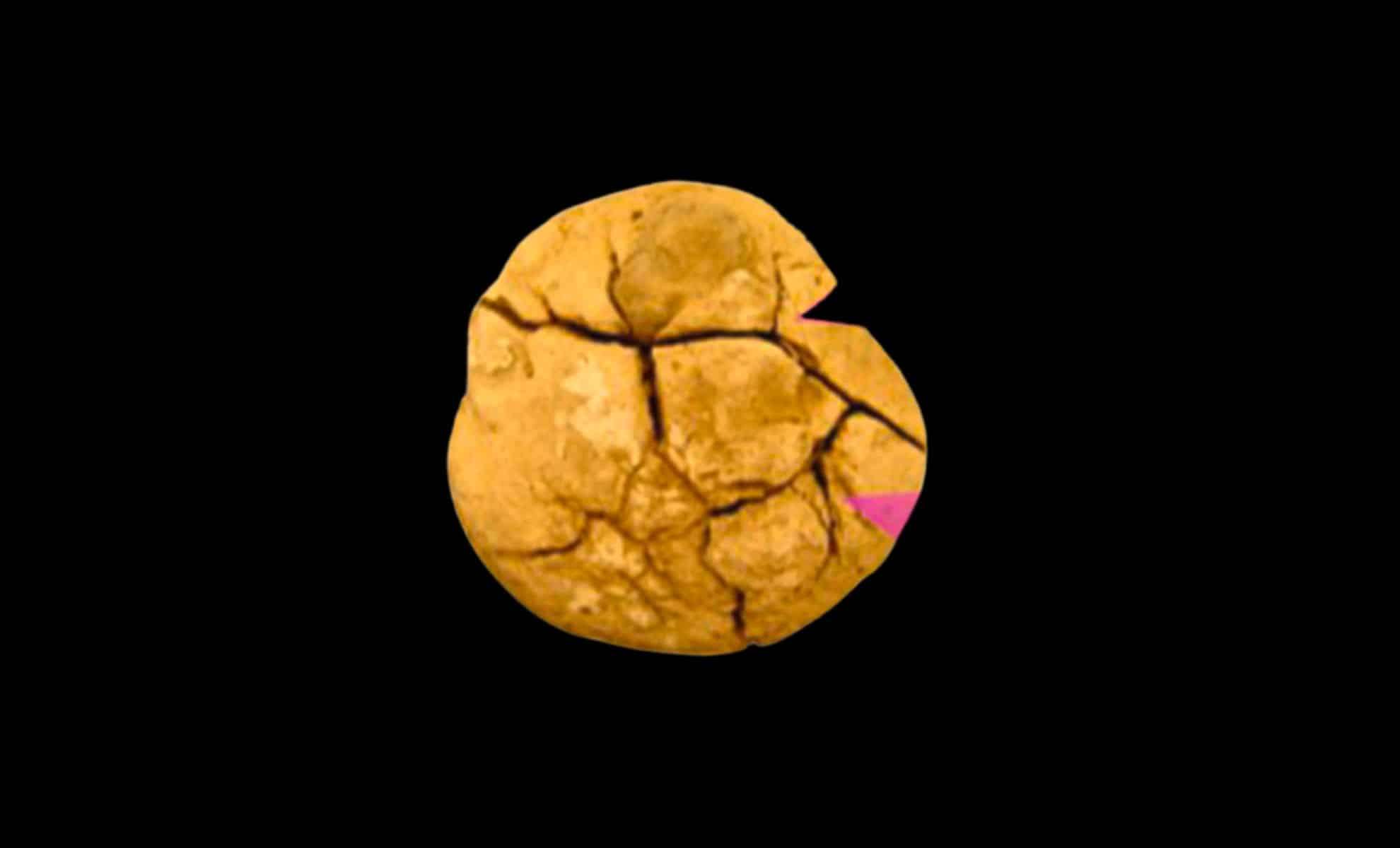
Scientists have identified what appears to be the oldest tangible proof of butterflies or moths, discovered within a 236-million-year-old fossilized dung specimen unearthed in Argentina’s Talampaya National Park. This remarkable find extends the fossil record of lepidopterans by about 35 million years, helping to fill a significant gap in their evolutionary history.
Ancient Scales Found in Fossilized Excrement
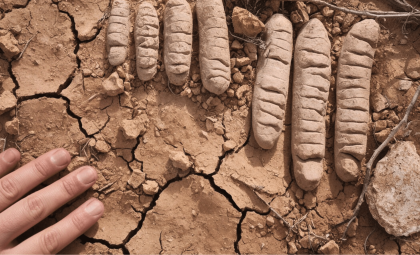
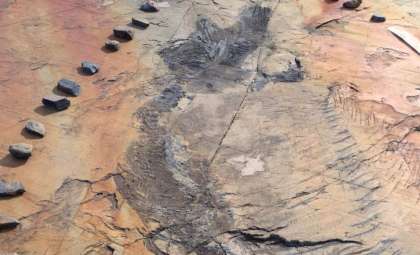
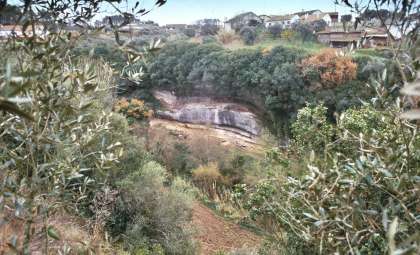
The discovery process began in 2011, when paleontologists conducted digs in a secluded area of Talampaya National Park. An initially identified communal latrine used by large herbivores yielded fecal samples containing well-preserved biological material. One such sample was sent to the Regional Center for Scientific Research and Technology Transfer of La Rioja in Argentina for thorough analysis by Argentine scientists teaming up with a UK researcher.
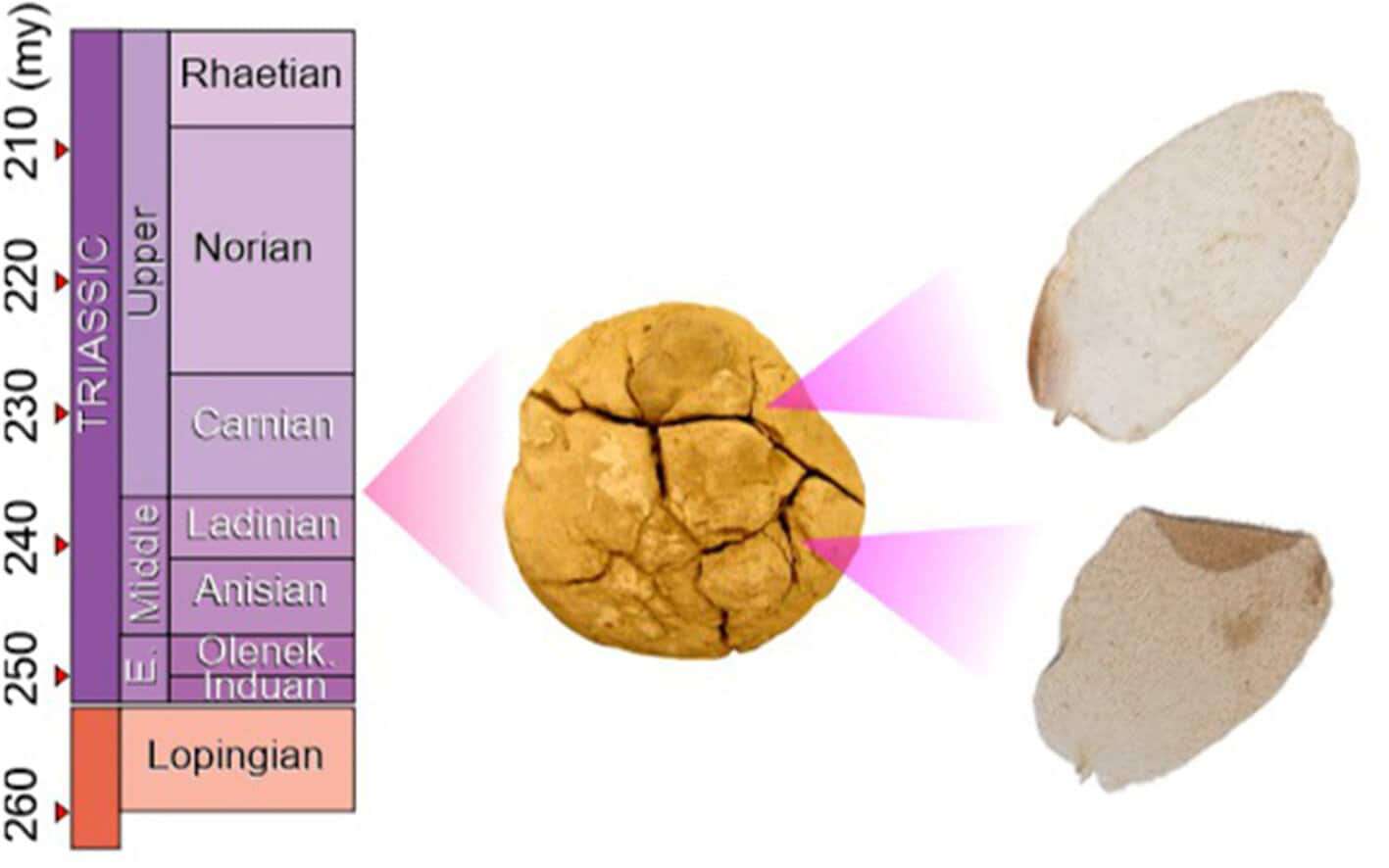
Upon detailed inspection, the team discovered tiny structures within the coprolite: delicate scales measuring roughly 200 microns. These scales were linked to the Lepidoptera order, encompassing today’s butterflies and moths. Prior to this, the oldest physical fossils of lepidopterans were dated to around 201 million years ago, despite molecular studies suggesting their origin closer to 241 million years ago.

Closing a 40-Million-Year Evolutionary Mystery
The identification of these prehistoric scales helps bridge a crucial 40-million-year gap in lepidopteran evolutionary records. Researchers determined the sample dates back to the middle Triassic period, approximately 16 million years following the catastrophic end-Permian extinction that wiped out nearly 90% of animal species worldwide.
The fossil was designated as a new species, Ampatiri eloisae. Given the sample's age and the shape of the scales, scientists propose it belonged to the Glossata subgroup, which implies the insect had a proboscis, a feeding organ still found in present-day moths and butterflies. Notably, since flowering plants had yet to appear during the Triassic, A. eloisae likely fed on sweet secretions from conifers and cycads rather than flower nectar.
Insights Into a Long-Extinct Ecosystem from Preserved Dung
This fossilized dung deposit not only sheds light on early insect development but also reveals the structure of ecosystems that arose after Earth’s largest mass extinction. The communal latrine indicates complex social behavior among herbivorous animals, while the fossilized contents preserve evidence of insects with advanced adaptations within an intricate food web.
- Categories:
- News




0 comments
Sign in to Comment