
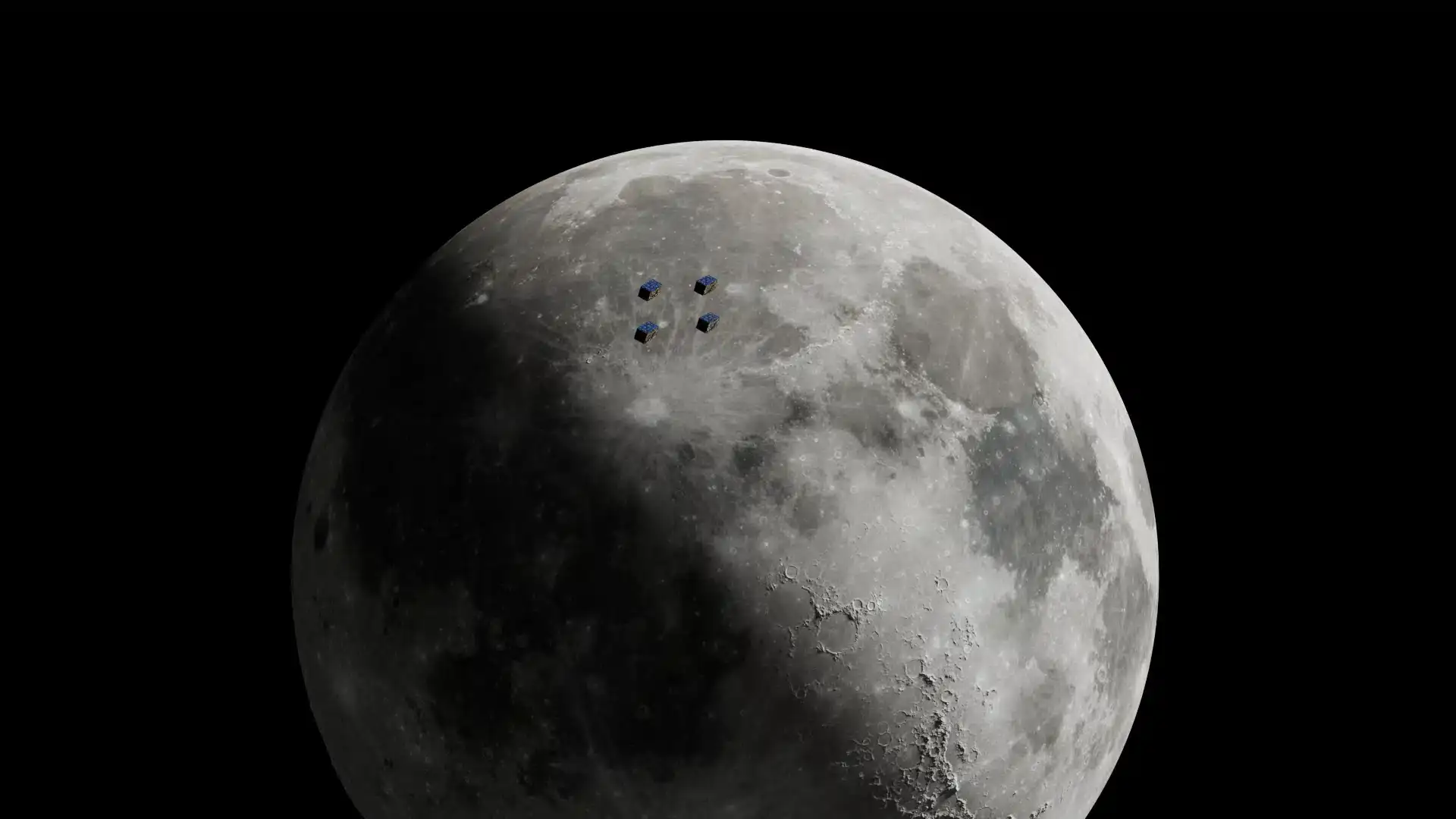
A UK-based enterprise is embarking on a groundbreaking mission to explore one of cosmology’s most elusive periods: the universe’s dark ages. As detailed by The Guardian, Blue Skies Space has been tasked by the Italian Space Agency to develop a pioneering satellite constellation designed to pick up faint radio waves originating from less than a million years after the Big Bang. These signals, impossible to detect from Earth due to overwhelming radio interference, might finally be observed from lunar orbit, particularly around the moon’s far side—a cosmic region free from Earth’s radio noise.
Probing the Universe’s Hidden Epochs
Blue Skies Space aims to gather data from a scarcely studied era when the cosmos was dominated by neutral hydrogen gas before star formation began. According to Dr. Marcell Tessenyi, the company’s lead executive, the mission’s objective is to "gain insight into those primordial dark ages" and reveal how early cosmic structures took shape.
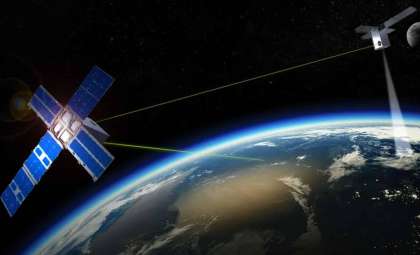
The plan centers on deploying CubeSats—small, cost-efficient satellites built from readily available components—into orbit around the moon. This initiative could integrate with the European Space Agency’s Moonlight program, which is building a satellite communication and navigation grid on the lunar orbit.

The Significance of the Lunar Far Side
The far side of the moon offers an exceptional environment for radio astronomy, being shielded from persistent terrestrial radio frequency pollution. This silence creates one of the quietest zones within our solar system to detect extremely weak space signals. The targeted signals fall within the FM radio spectrum and, if captured, may provide invaluable information on the early universe’s architecture.
This endeavor aligns with other ongoing lunar missions. For instance, NASA’s ROLSES-1 telescope endured a challenging landing on the moon last year, and another project, LuSEE-Night, is scheduled for launch later in 2025. Looking further ahead, there are ambitions to assemble a vast mesh antenna within a lunar crater using robotic technologies.
Transforming Lunar Orbit into a Research Hub
The satellite array envisioned by Blue Skies Space holds promise to resolve persistent challenges in deep-space astronomy. Lunar orbit affords an exceptionally stable and interference-free setting for astronomical observation, perfect for capturing faint electromagnetic signals from the universe’s infancy. Additionally, this system is expected to harness the capabilities of the Moonlight program, a European effort to establish a reliable communication and navigation backbone around the moon.
This infrastructure will facilitate accurate satellite positioning and robust data relay between the moon and Earth, addressing critical communication hurdles in space research. Continuous connectivity ensured by the Moonlight network will allow real-time data transfer from lunar-based instruments, greatly enhancing scientific study by eliminating the delays common to ground-based communication channels.
- Categories:
- News








0 comments
Sign in to Comment