
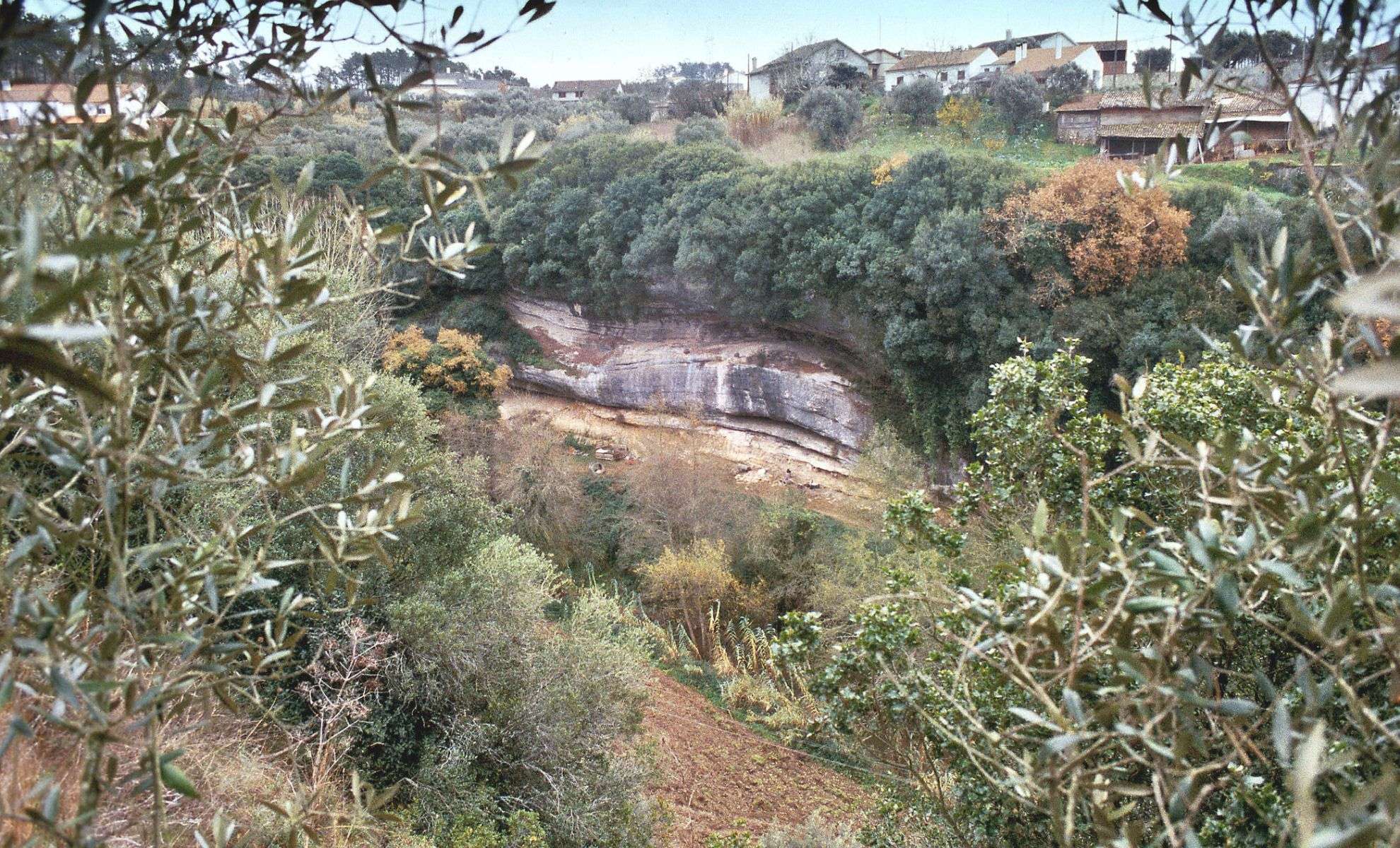
New findings have confirmed long-held beliefs about the genetic mingling between Neanderthals and early Homo sapiens. The discovery of a remarkably preserved child's remains dating back around 28,000 years provides fresh insight into the intricate story of human evolution.
Revealing the History of an Ancient Grave
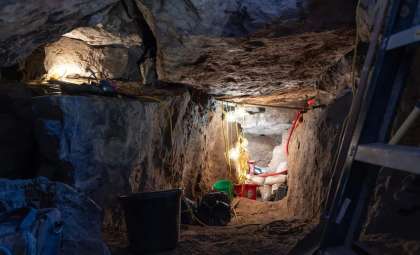
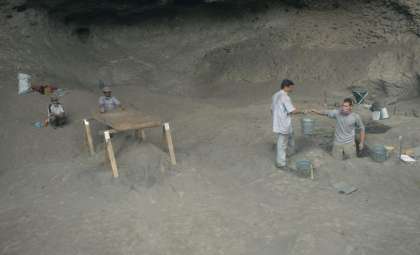
As detailed in a Science Advances publication, the child's skeleton was excavated 27 years ago, drawing significant attention due to its combination of features typical of both Neanderthals and modern humans. This blend suggested interbreeding between these groups, a notion now reinforced by genetic evidence showing Neanderthal ancestry in many present-day humans.
Bethan Linscott from the University of Miami, who contributed to the recent age analysis, commented, “Successfully determining the child’s age felt like restoring a crucial chapter of their story, which was deeply meaningful.” Estimated to be about four years old at death, the child was buried with red pigment applied to their bones, pointing to intentional burial practices with possible cultural significance.

Overcoming Dating Obstacles with Advanced Methods
For decades, establishing an accurate timeline for the child's remains was hampered by contamination from soil and roots, complicating radiocarbon testing. Recently, scientists utilized a novel technique isolating hydroxyproline, an amino acid found in bone collagen, to sidestep impurities and achieve precise dating. This confirmed the child lived approximately 28,000 years ago, a period when Neanderthals and modern humans coexisted in Europe.
A Remarkable Blend of Anatomical Traits
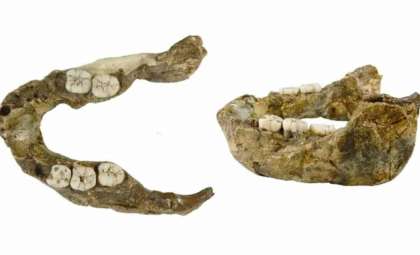
Examination of the skeletal structure showed limbs consistent with Neanderthal morphology, while the skull and jaw exhibited features closer to modern humans. This combination strongly supports the presence of early hybrids who were accepted within their communities.
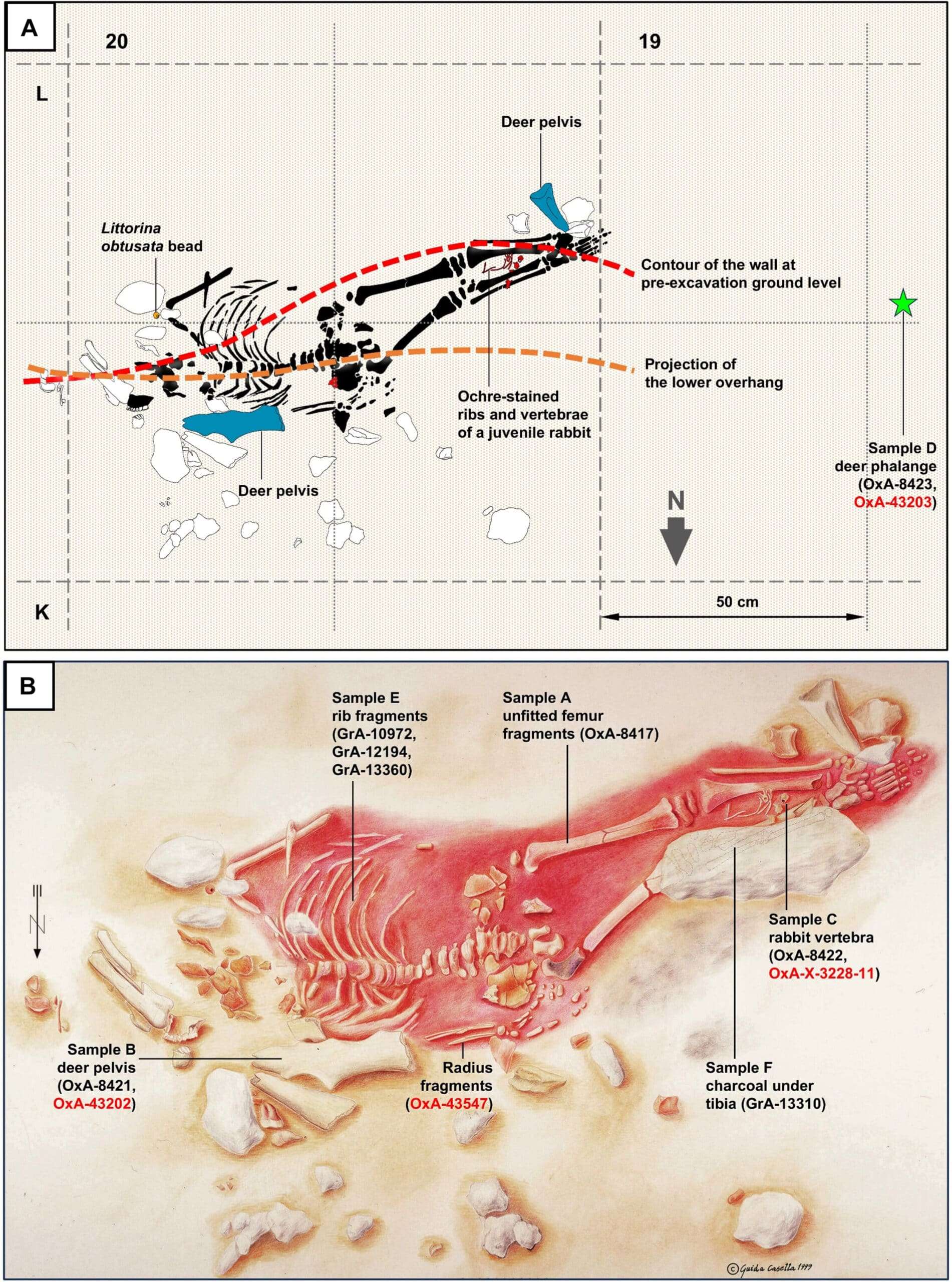
The burial revealed cultural elements common to various human groups of that era. Red ochre staining, wrapping in animal skin, and nearby artifacts such as a juvenile rabbit bone and charcoal fragments suggest deliberate rituals potentially connected to mourning or spiritual beliefs. Experts highlight that such findings illustrate shared symbolic traditions among these ancient populations, reflecting the complexity of their social interactions.
New Insights Redefine the Burial Context
Earlier interpretations suggested two red deer bones near the grave were part of ceremonial practices. However, fresh dating techniques indicate these bones predate the burial, implying they were either already present in the sediment or used to support the body during interment.
Charcoal found beneath the child’s legs, once thought to be evidence of a ritual fire, is now known to be more than 150 years older, indicating prior activity in the shelter unrelated to the burial event.
Researchers aim to extend these innovative dating approaches to other ancient human remains that have been difficult to analyze, hoping to deepen understanding of early human migration, interactions, and genetic exchange across prehistoric Europe.
- Categories:
- News


0 comments
Sign in to Comment