
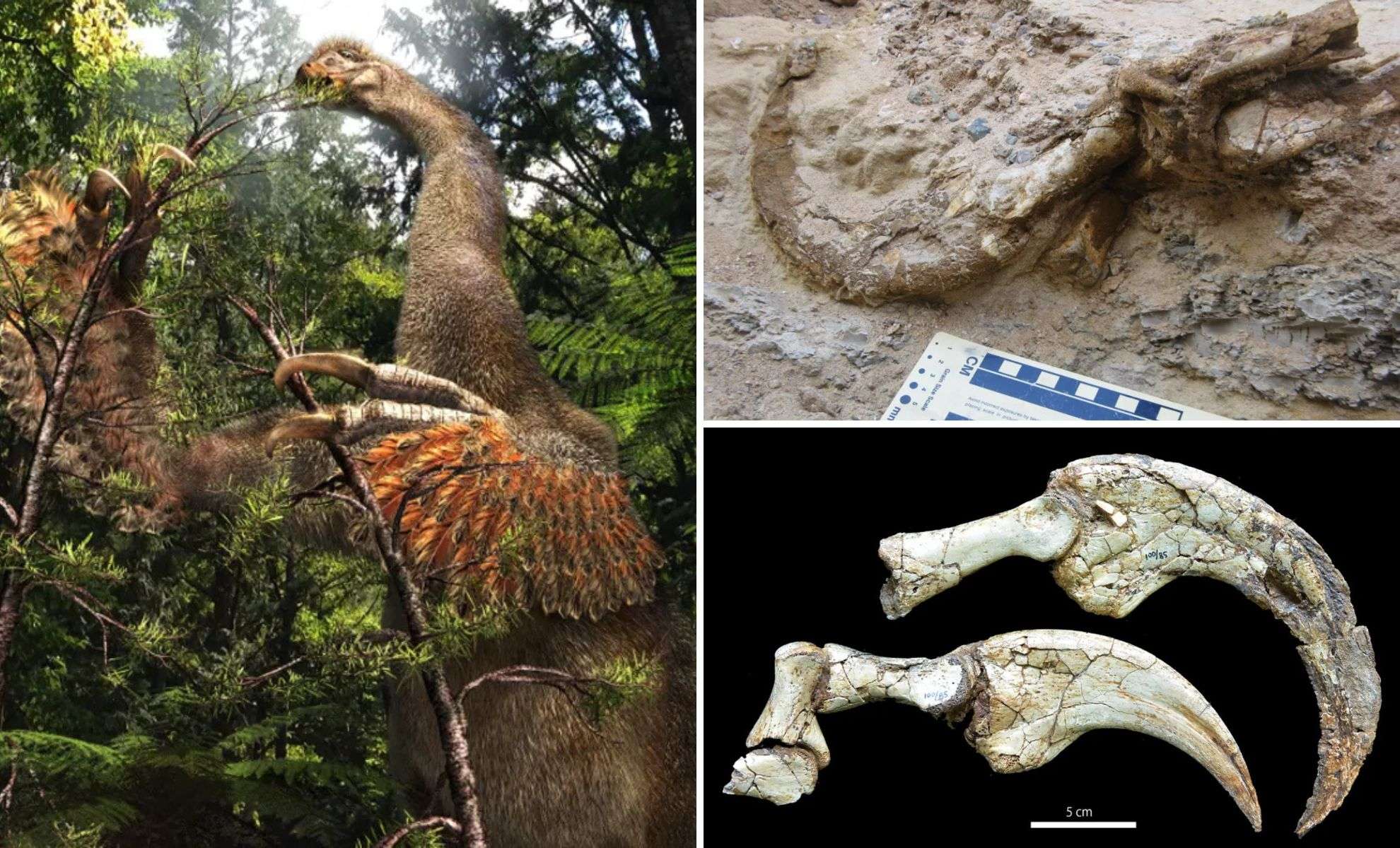
Deep within the expansive Gobi Desert of Mongolia, a remarkable fossil find has captivated paleontologists worldwide. Researchers have uncovered a previously unknown dinosaur species from around 90 million years ago that possessed a strikingly rare feature among its relatives: just two fingers on its hand. This extraordinary characteristic, coupled with the exceptional preservation of its claws, including the original keratin covering, is offering new insights into the behavior and functional adaptations of this ancient plant-eater. As featured recently in IFLScience, the fossil’s well-preserved state and distinctive traits provide a rare glimpse into therizinosaur evolution and lifestyle.
A Claw That Completely Altered Perspectives
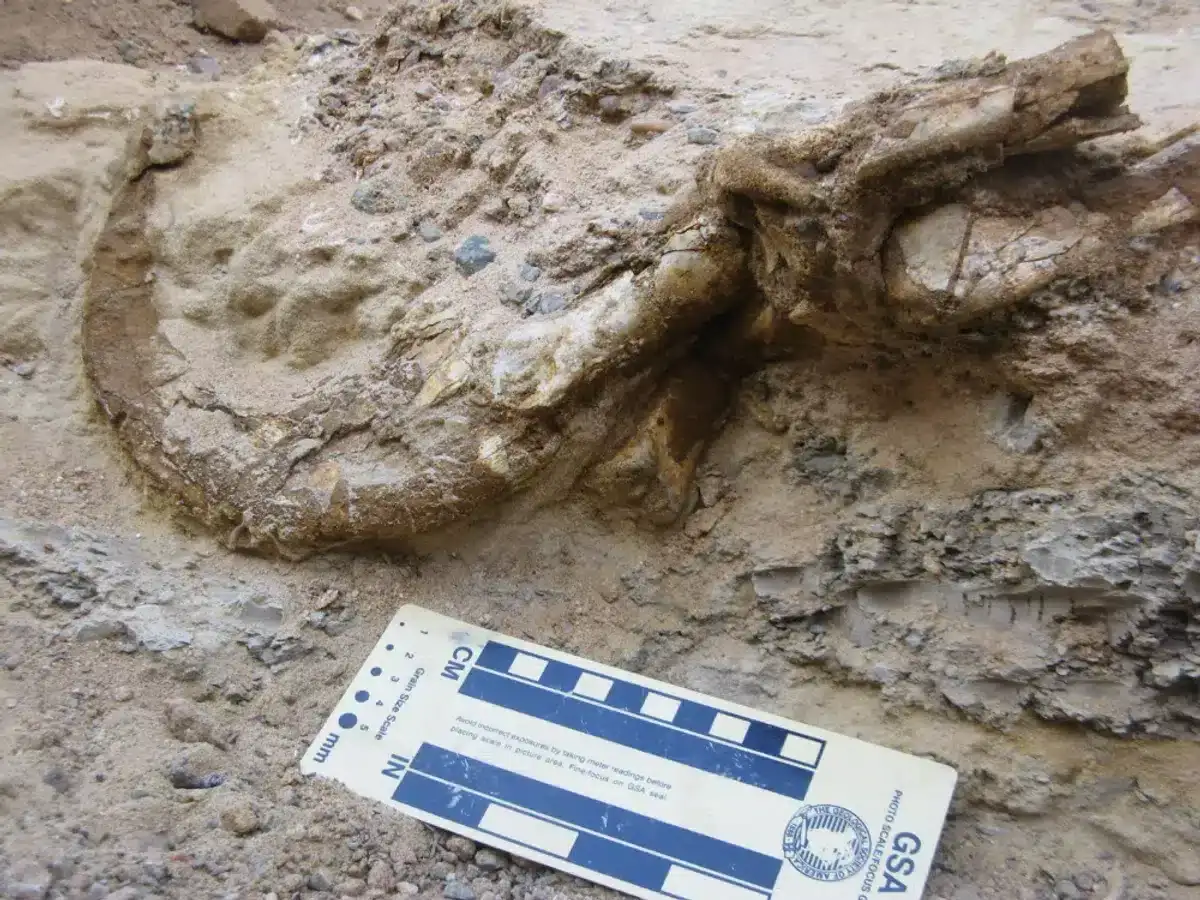
The journey began in 2012 when workers installing pipelines unearthed a large claw fossil within Mongolia’s Bayanshiree Formation. This specimen was later sent to Dr. Yoshitsugu Kobayashi at Hokkaido University, who instantly grasped its significance.
“It was absolutely astonishing,” Kobayashi shared with IFLScience. “Upon seeing it firsthand, I recognized it as a therizinosaur hand, but then noticed only two fingers were present. I had to double-check repeatedly, thinking, ‘Where is the third finger?’ It was unbelievable.”

Beyond the missing digit, the preservation of a keratinous sheath covering the claw astonished scientists, as this outer layer rarely survives fossilization. “This was the authentic claw material from when the dinosaur was alive. It was an ongoing series of surprises and excitement,” Kobayashi recounted.
A Truly Unparalleled Dinosaur Hand
Therizinosaurs are already recognized as some of the most unusual dinosaurs — enormous, feathered, herbivorous theropods bearing long, curved claws. Yet, until now, none have been identified with only two working fingers. Thanks to the fossil's completeness, experts could examine its anatomy in unprecedented detail, uncovering surprising features.
“I had to shake my head; I’d never encountered such an intact dinosaur claw,” explained Professor Darla Zelenitsky from the University of Calgary. “Its remarkable preservation reveals the claw’s true dimensions and form. It’s a huge, sharp instrument.”
Rather than representing injury or deformity, this two-fingered structure evolved naturally. The elbow and wrist joints were notably rigid, shaping the hand in a distinctive way. Kobayashi noted, “The elbow and wrist were very stiff, suggesting Duonychus didn't utilize its arms as other theropods did.”
Claws for Vegetation or Something More Complex?
Despite their menacing appearance, therizinosaurs weren’t hunters. Their elongated fingers likely functioned to grasp and bring plant material closer, acting like precise salad tongs. But in the case of Duonychus, unique features hint at a potentially different feeding method.
“Most therizinosaurs used their claws to grab and pull vegetation during feeding,” Zelenitsky explained. “Although Duonychus had only two fingers, it still grasped effectively, given the hand’s build and claw size.”
The distinctive hand hints at a possible specialized diet or feeding strategy that set Duonychus apart from its three-fingered kin. “Its hand’s uniqueness suggests it may have specialized in particular plants or feeding techniques. That’s my best hypothesis,” she added.
Evolutionary Innovation or Isolated Anomaly?
The absence of the third finger was only the beginning of the fascination. Further study confirmed the traits reflected deliberate evolutionary adaptations rather than abnormalities.
“The presence of the keratin claw sheath was pivotal,” said Kobayashi. It revealed the hands were not malformed but purposefully designed tools likely employed to pluck high foliage from the dense Cretaceous forests of Mongolia.
“It provides incredible insight into how these dinosaurs used their hands in life,” he remarked. “It’s almost like witnessing behavior from 90 million years ago — truly astonishing.”
Insights into Dinosaur Evolution Through a Two-Fingered Hand
The identification of Duonychus tsogtbaatari prompts fresh exploration into how dinosaurs adapted to environmental challenges, diet variations, and unique ecological roles. The hand structure represents an intentional loss of a finger — a rare but meaningful evolutionary step.
“This was indeed an adaptation,” Kobayashi explained. “Reduced mobility and the missing third finger were not impairments but advantages for survival in its habitat.”
From just one exquisitely preserved claw, this discovery enriches our understanding of dinosaur evolution — emphasizing functionality and specialization over brute strength.
- Categories:
- News







0 comments
Sign in to Comment